01
Academic and skill development
Complement academic learning with supplementary workshops, guided projects and practical skill programmes.
- Certificate-oriented training
- Digital literacy and professional skills
Connecting Education, Industry and Innovation.
Build stronger learning opportunities through practical skills, faculty development and career-readiness initiatives, shaped around your institution and its learners.
From a focused workshop to a structured training partnership, let's define a meaningful next step.
An illustration of collaboration, not a representation of an existing institutional partnership.
ECAREERPLUZ works with engineering colleges, polytechnics, arts and science colleges, and ITI training centres across Tamil Nadu to bring practical, industry-integrated skill development to campus and connect academic learning with career readiness.
Institution names reproduced from ECAREERPLUZ's Academic Alliances directory. Listings describe reported collaborations, not independent verification of a current agreement, accreditation or guaranteed placement. Contact us for the current scope.
72 institutions listed.
No institutions match your search. Try a different name or category.
Connect academic knowledge with practical application. Programme scope, curriculum, tools, duration, assessment and certification are agreed before delivery.
Complement academic learning with supplementary workshops, guided projects and practical skill programmes.
Explore programming, AI, data analytics, cloud fundamentals, digital marketing and practical technology learning.
Help teaching teams explore current tools, practical teaching methods and project-based assessment.
Prepare learners for professional environments through communication, interviews and portfolio development.
Discuss internship preparation, practitioner sessions and guidance on suitable industry opportunities.
Encourage learners to explore business ideas, self-employment and practical problem-solving.
Connect learning with professional practice through guest lectures, joint events and project discussions.
We welcome enquiries from education and industry. Each proposal is reviewed for suitability, feasibility and applicable requirements.
Programming, emerging technologies and project-based learning.
Practical technology, electronics and diploma-level technical skills.
Data, digital literacy, communication and career readiness.
Trade-related skills, troubleshooting and self-employment.
Age-appropriate coding, STEM and career exploration.
Interdisciplinary learning, faculty development and engagement.
Co-delivery, trainer support and agreed learning resources.
Workforce learning, guest sessions and project mentoring.
Eight considered steps, with clear responsibilities and mutually agreed objectives.
Share your objectives, learner profile and preferred collaboration areas.
Discuss learner eligibility, duration, infrastructure and available resources.
Review the scope, learning outcomes, delivery plan, fees and reporting.
Confirm responsibilities, certification, data handling and institutional permissions.
Agree schedules, coordinators, trainers, registration and training materials.
Conduct the agreed activities according to the approved scope and schedule.
Review participation, projects, practical assessments and learner feedback.
Evaluate the agreed measures, identify improvements and plan possible next steps.
Responsible collaboration depends on documented arrangements, transparent communication and continuous improvement, not simply a signed agreement.
Document the scope, responsibilities, commercial terms, branding permissions, intellectual property, data handling, duration and exit arrangements. An MoU alone does not confer accreditation.
Nominate institutional and programme coordinators. Confirm learner eligibility, trainer availability, facilities, schedule and communication channels before delivery.
Agree learning objectives, attendance, assessments, completion criteria, feedback, grievance channels and reporting. Review delivery against those agreed measures.
Confirm the certificate issuer and requirements before enrolment. An ECAREERPLUZ-issued completion certificate is distinct from an external credential; external recognition must be specifically verified.
Formal curriculum changes, academic credits, regulated qualifications and funding eligibility require the applicable institutional and regulatory approvals. None is automatic.
Training, internships, placement assistance and other services apply only where agreed and available. Internships, interviews and employment are not guaranteed. Partner logos and outcome figures require current documentary verification.
Directory counts reflect unique institution listings from ECAREERPLUZ's source page, not independently verified current partnerships. No third-party credentials, government authorizations or learner outcomes are established by a listing. Current evidence and permission are required before partner logos or credentials are published.
Share your institution's objectives. Our team will review the requirements and discuss suitable next steps. Submitting an enquiry does not create a partnership or reserve a programme.
Explore skills, try a small project and find your learning direction.
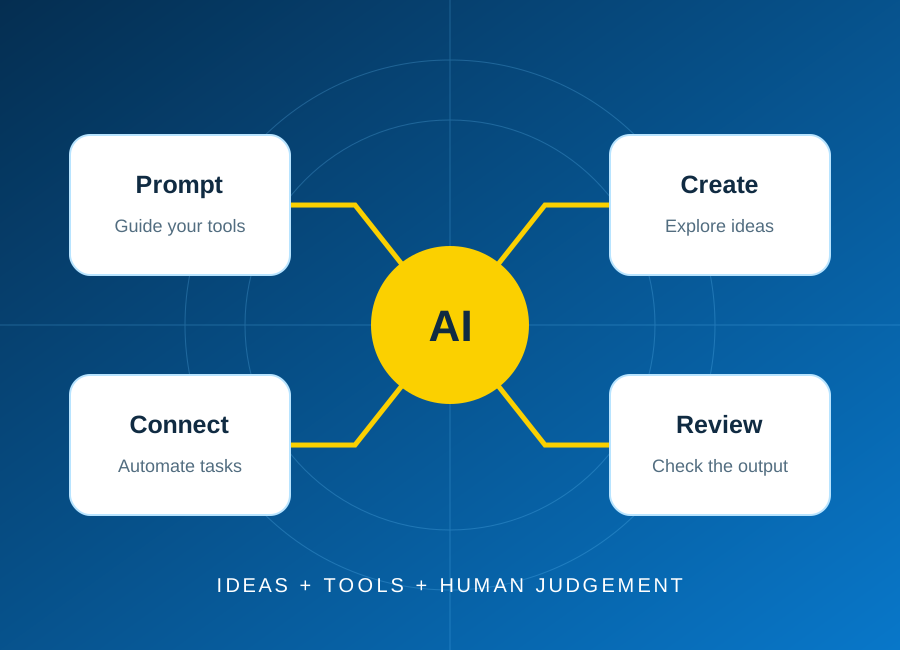
Start with one repeatable task, keep a person in control, and test the result before connecting real business data.
Read article: Plan your first AI automation project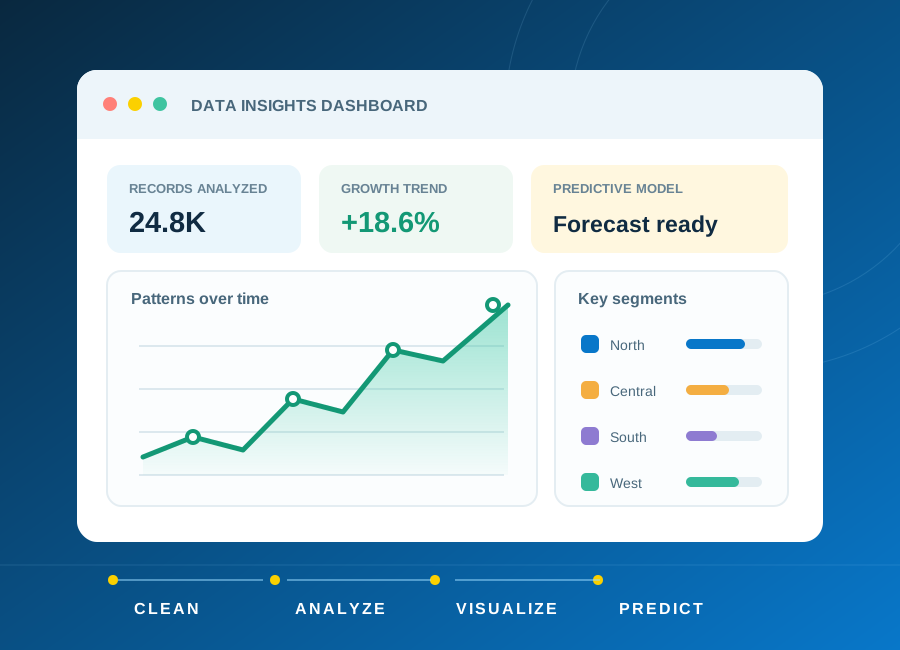
Learn how to frame a question, clean a small dataset and choose charts that explain rather than distract.
Read article: From raw data to a clear, useful dashboard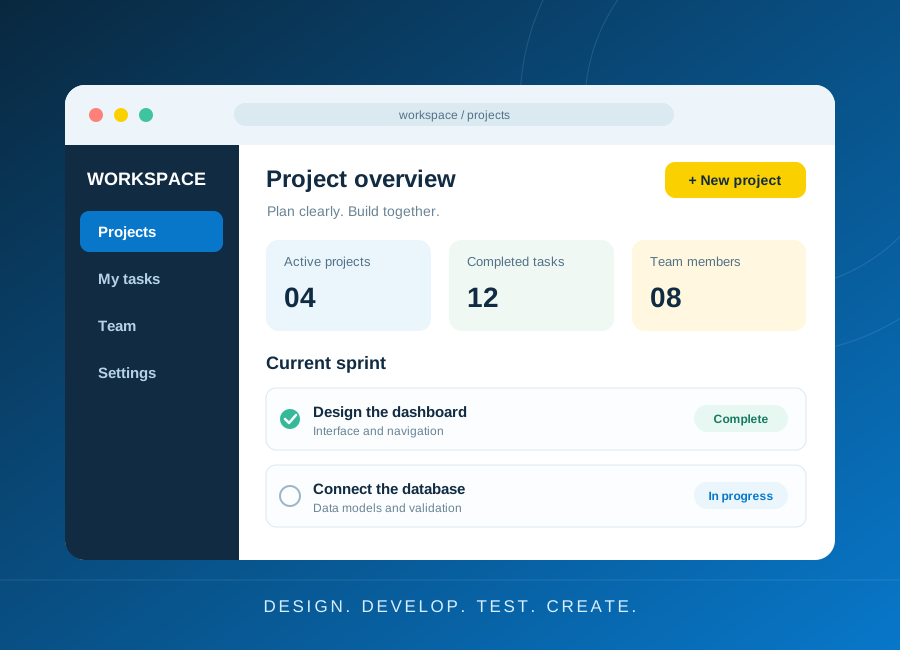
Turn a small idea into a working application with a clear data model, accessible forms and meaningful tests.
Read article: Build a first web application you can explain