Hands-on learning
Explore guided programming, electronics, sensor, and system-integration exercises, subject to lab availability.


Course fee: INR 30,000 + 18% GST (INR 5,400). Total including GST: INR 35,400.
Confirm exclusions, materials, assessments and payment options with admissions.
Build Intelligent Robots. Deploy AI in the Real World.
Explore how intelligent robots sense, process information, and act using robotics, embedded systems, computer vision, and Edge AI.
Robotics, embedded systems, computer vision, and edge deployment.
Course duration: 90 hours. Contact admissions for batch dates, daily timings and delivery arrangements.
Explore guided programming, electronics, sensor, and system-integration exercises, subject to lab availability.
Apply concepts to prototype ideas in robotics, vision, automation, and edge computing.
Understand how suitable models can run locally on compatible edge devices.
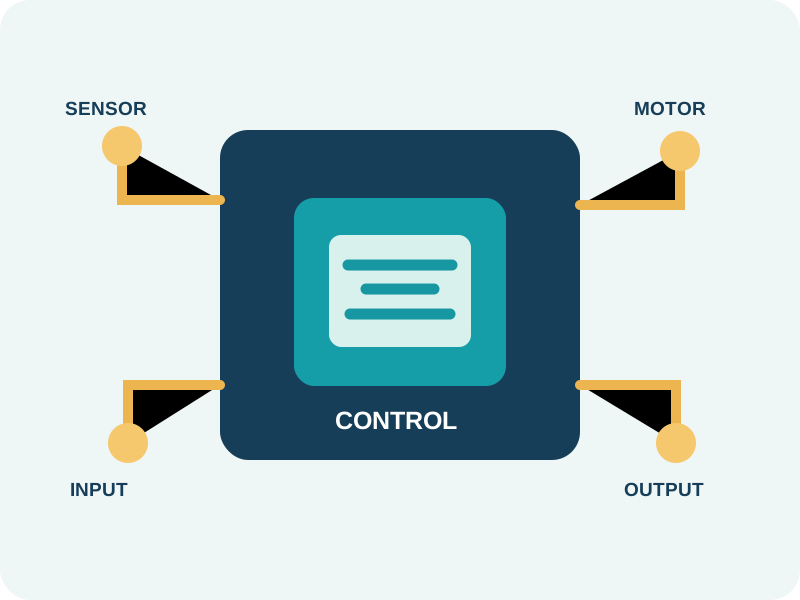
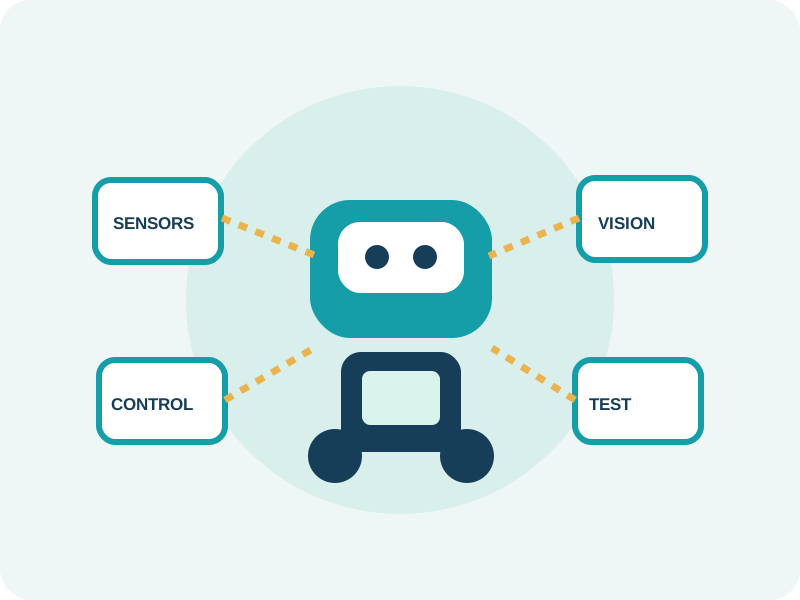
Connect perception, sensors, control logic, and robotic actions in a structured learning path.
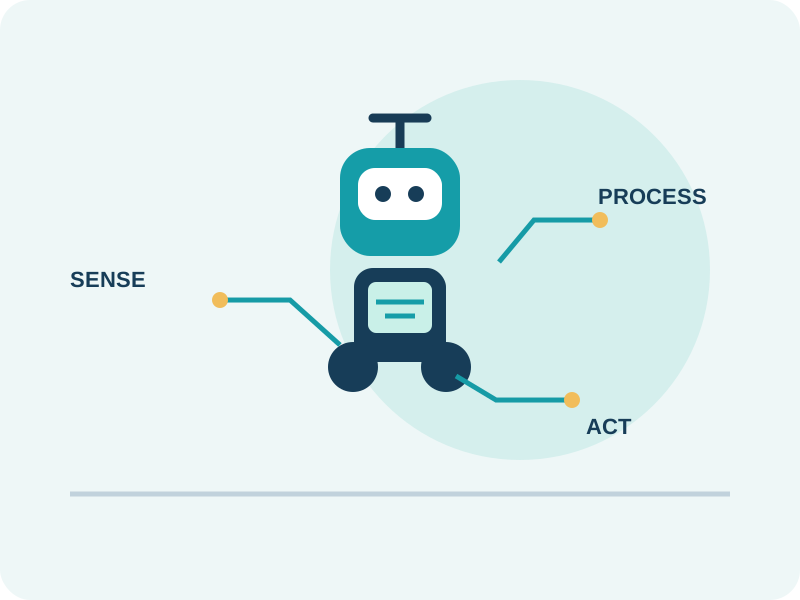
AI Robotics combines intelligent algorithms with machines that interact with the physical world. Edge AI enables suitable models to run directly on supported embedded computers, robot controllers, and edge processors rather than relying entirely on remote cloud servers.
Together, these technologies can support prototypes for obstacle avoidance, object detection, industrial inspection, precision agriculture, and autonomous mobile robotics. This preview introduces programming, sensors, control, computer vision, model deployment, and practical system testing.
Hardware access, lab facilities, supported devices, and the final project scope must be confirmed with ECAREERPLUZ before enrolment.
For ECE, EEE, CSE, IT, Mechatronics, and related fields exploring intelligent systems.
Explore foundations in robotics, embedded development, AI, and automation.
Consider structured learning to build or extend technical skills in intelligent systems.
Develop practical understanding of sensors, software, and robotic prototypes.
Explore proof-of-concept hardware and monitoring ideas with attention to feasibility and safety.
Suggested curriculum structure: progress from electronics and programming foundations to perception, edge deployment, navigation, and project integration.
The module sequence, duration, hardware, and practical scope may be customized to the batch and available lab facilities. Confirm the approved syllabus before enrolling.
Suggested technologies support hardware, sensor integration, programming, perception, simulation, and deployment. Exact coverage depends on the approved syllabus and equipment available in the training lab.
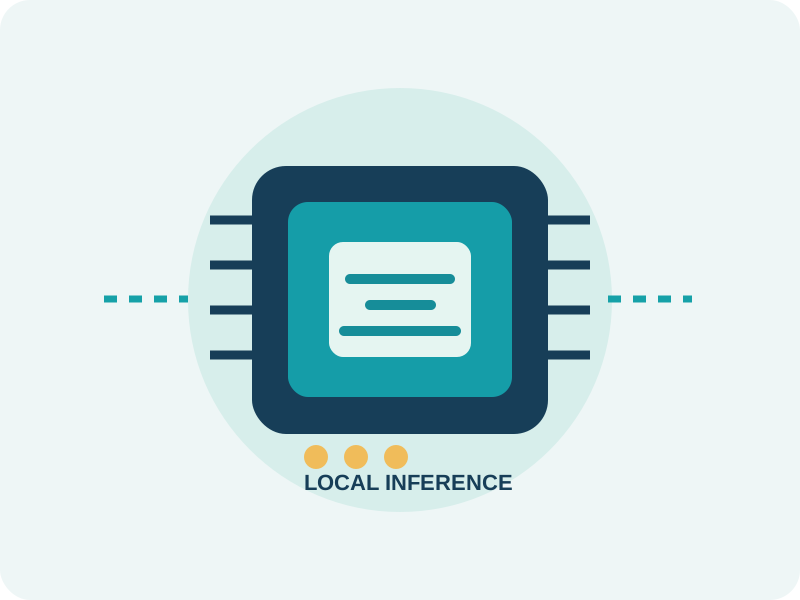
Explore supported compact computers, microcontrollers, and AI accelerators for local inference.
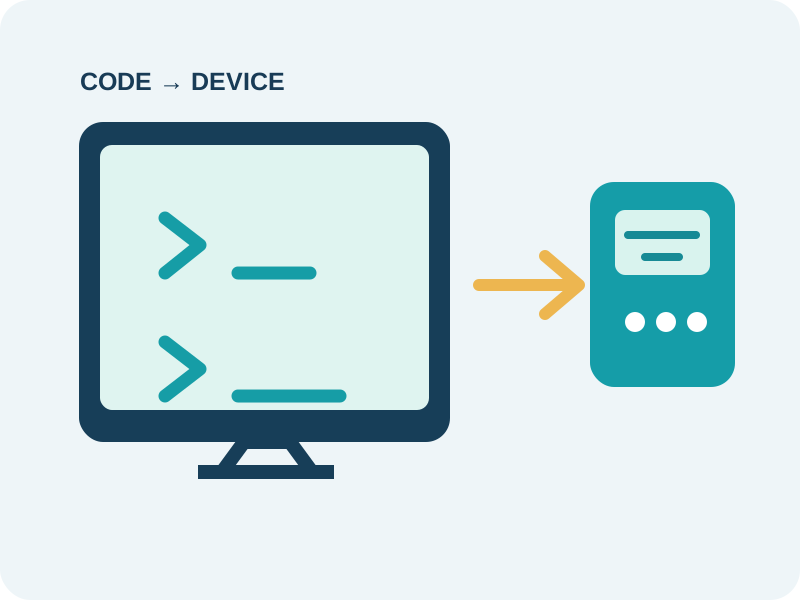
Learn concepts for robot communication, device programming, control, and software integration.
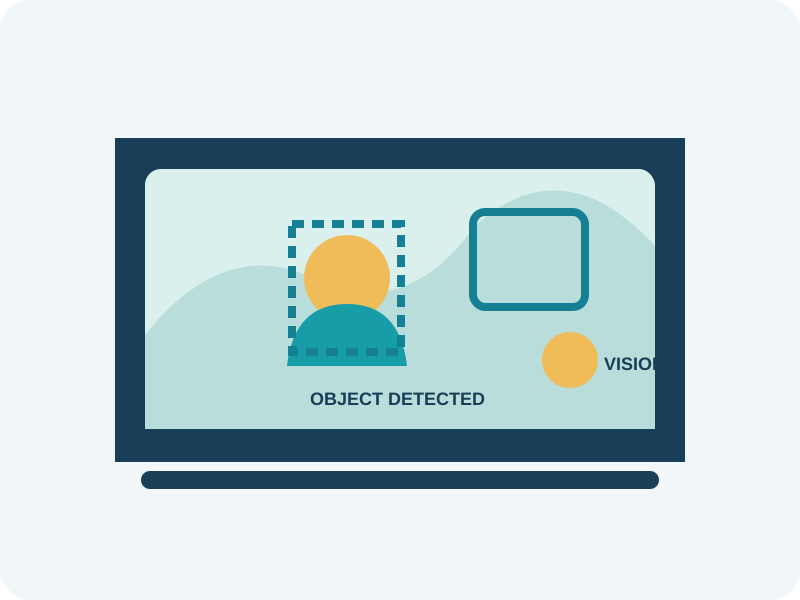
Explore image-processing and model workflows for classification, detection, and visual inspection.
Connect compatible inputs, controllers, and actuators through supported interfaces.
Test robot behavior, sensor integration, and deployment concepts in supported environments.
Discuss tool access and any separate provider accounts with admissions. Examples may include NVIDIA Jetson, Raspberry Pi, compatible AI accelerators, microcontrollers, NVIDIA Isaac Sim or Isaac ROS, RViz, Git, and Docker where supported. Confirm hardware availability, software versions, subscriptions, safety supervision, and the actual lab facilities before enrolment. Product names and trademarks belong to their respective owners; no vendor partnership or certification is implied.
The following are project concepts for guided coursework. Actual hardware, datasets, simulations, and implementation scope depend on the approved syllabus and available lab facilities.
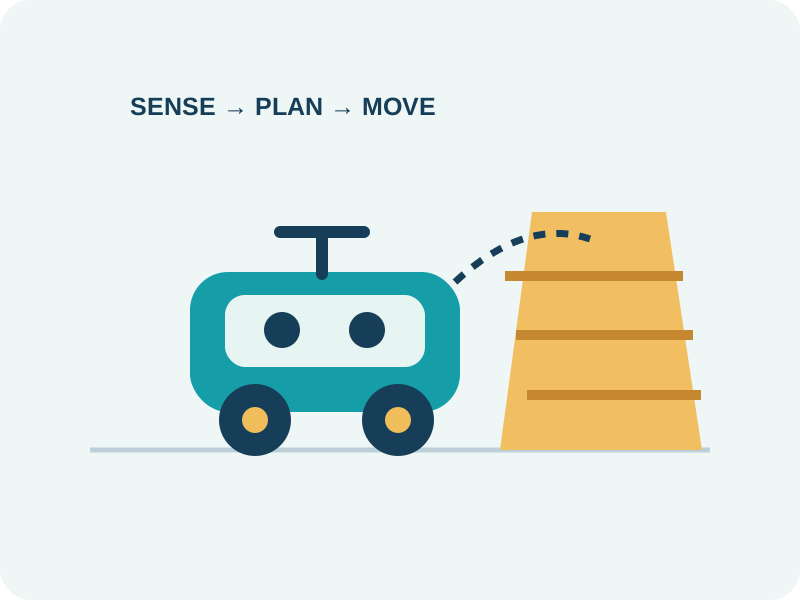
Build a mobile-robot prototype that uses suitable sensors or camera perception to identify obstacles and explore navigation around them in a controlled setting.
Skills: Sensors, motor control, Python or C++, and robotics fundamentals.
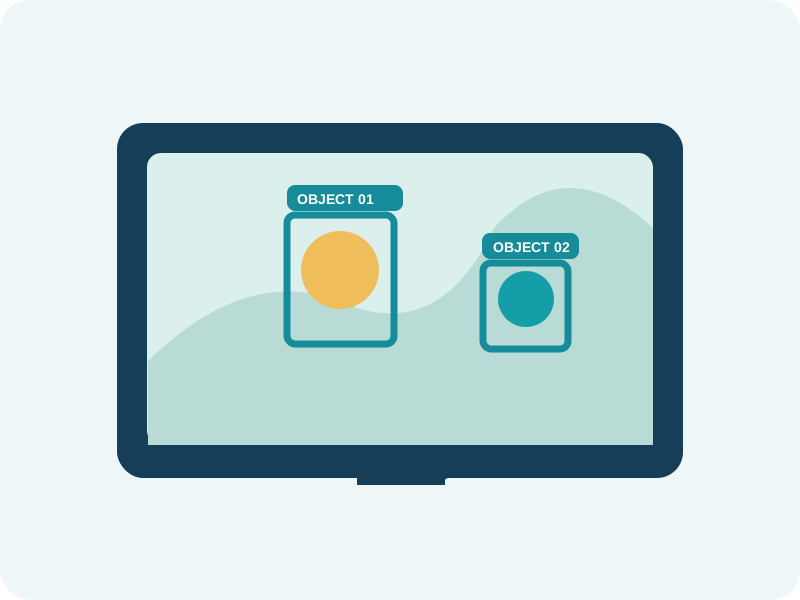
Explore local object detection on supported hardware and connect a model output to a safe, appropriate response.
Skills: OpenCV, AI inference, model optimization, and edge deployment.
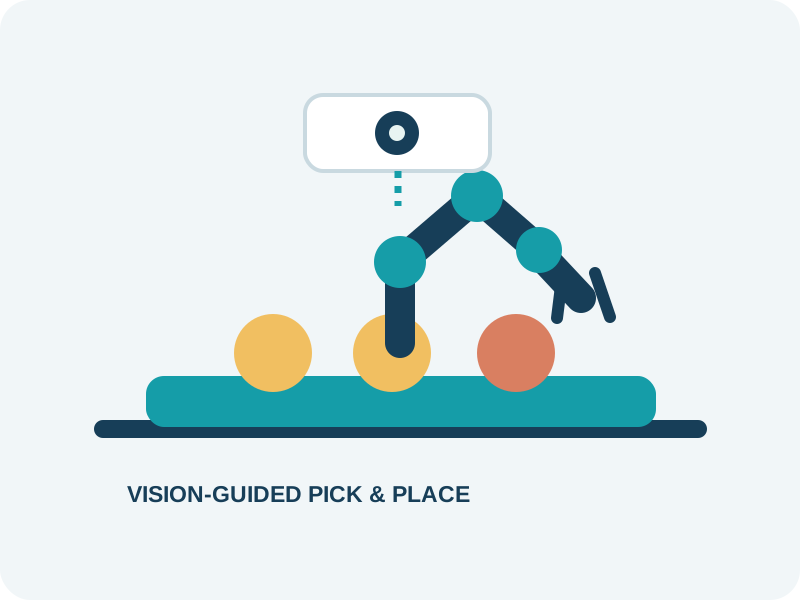
Prototype a camera-based object-classification workflow that can direct a simulated or supported actuator for sorting.
Skills: Computer vision, actuators, calibration, and control logic.
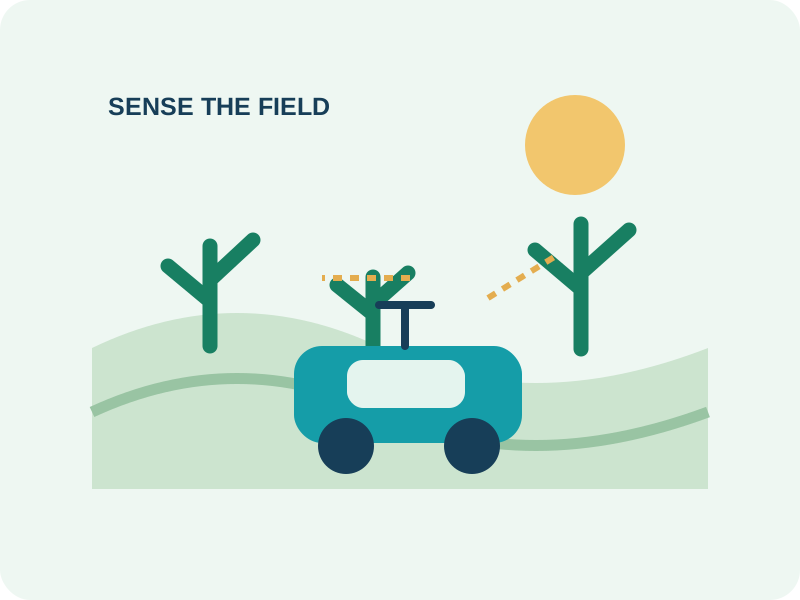
Combine environmental sensors and camera-based analysis to explore plant monitoring and field-data collection.
Skills: IoT concepts, embedded AI, sensor fusion, and data collection.
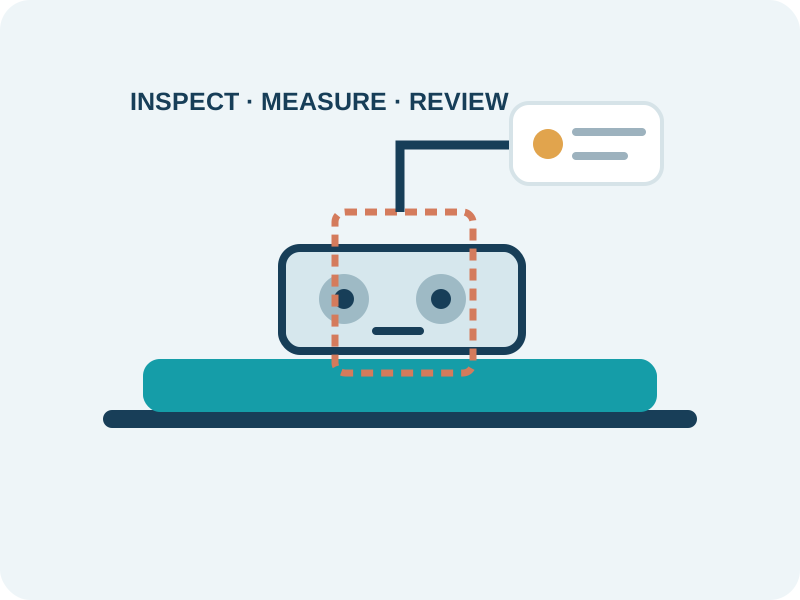
Create a vision prototype that identifies selected sample defects or unusual patterns for human review.
Skills: Image processing, classification, anomaly detection, and evaluation.
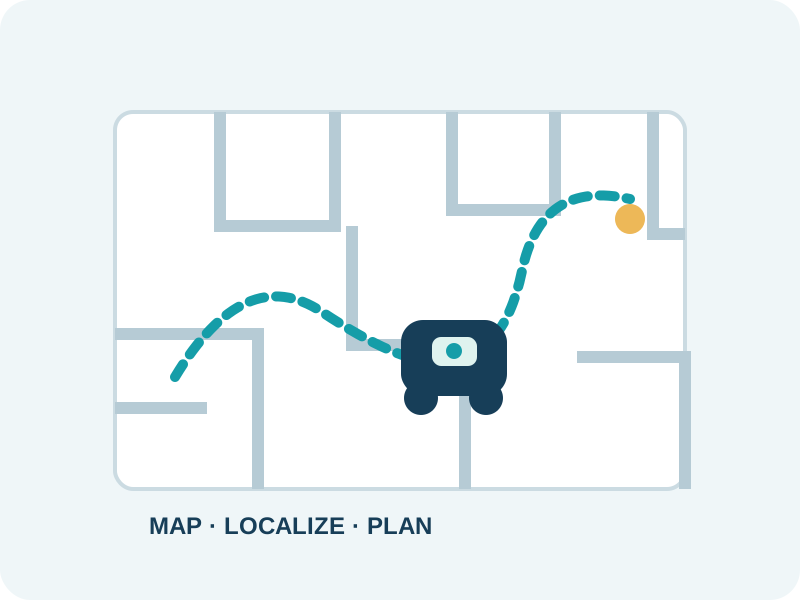
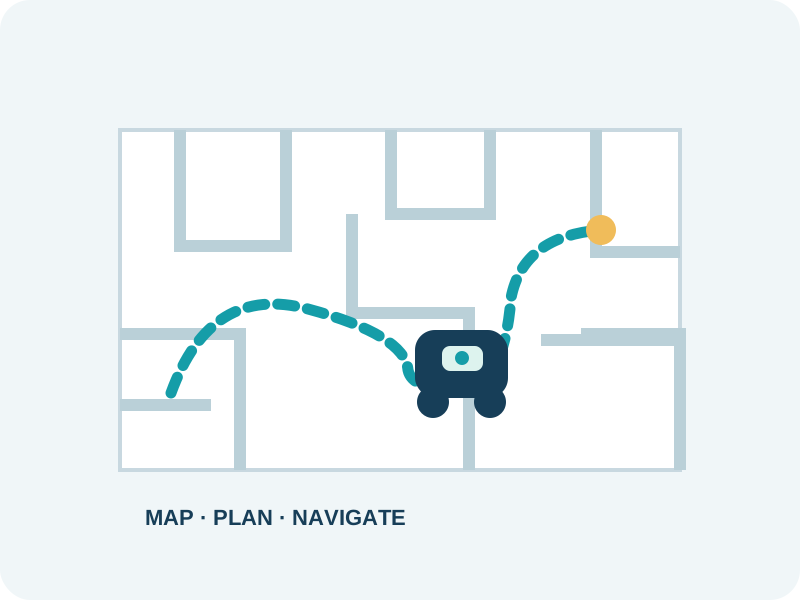
Use ROS 2 concepts and supported sensors to explore mapping, localization, path planning, and autonomous navigation in simulation or a controlled environment.
Skills: ROS 2, SLAM concepts, navigation, and simulation.
A project portfolio may include a working prototype or simulation, source code and configuration, system documentation, testing results, and a report or demonstration, depending on the approved assessment.
By the end of the program, learners should be able to:
Explain sensors, actuators, controllers, robot architecture, and basic motion control.
Combine sensor data, AI inference, and robotic actions in a suitable workflow.
Build and evaluate object detection, image classification, and visual inspection concepts.
Run suitable models locally on supported hardware and consider performance trade-offs.
Connect supported components and troubleshoot common system issues safely.
Present a documented prototype or simulation and explain testing and limitations.
Project readiness depends on prior preparation, approved syllabus, hardware access, and continued practice.
Robotics and Edge AI skills can support work in robotics engineering, embedded development, computer vision, automation, and on-device deployment. Job titles and compensation vary with experience, location, employer, and hands-on capability.
Work with robot components, controls, integration, and automation systems.
Develop software and interfaces for supported embedded devices and controllers.
Build image and video workflows for detection, classification, and visual inspection.
Explore deployment and optimization of suitable models on supported devices.
Develop robotics software involving communication, simulation, sensors, and navigation.
Specialist roles typically require deeper experience and advanced system-development skills.
Compare these planning ranges with current local opportunities. Pay varies by role, qualifications, experience and employer.
Prototype inspection, monitoring, sensor integration, and selected workflows.
Explore workshops, project mentoring, and embedded-AI learning activities.
Prototype crop monitoring, field sensing, and environmental-data collection.
Build proof-of-concept devices, embedded prototypes, and monitoring solutions.
Explore privacy-aware on-device perception prototypes for suitable applications.
Assess feasibility, safety, data, and deployment requirements for early-stage prototypes.
Build your future: Build a portfolio of working prototypes, explain design and hardware choices, and gain testing experience.

Proposed career preparation focuses on robotics, embedded systems, AI development, and intelligent automation. Confirm which support services and employer connections are currently available.
Prepare a technical resume highlighting robotics projects, programming skills, hardware experience, and AI implementations.
Practise Python, C/C++, electronics, machine learning, computer vision, and robotics fundamentals.
Learn to explain project architecture, demonstrate prototypes, troubleshoot issues, and present results.
Explore relevant job descriptions, application approaches, interview preparation, and employer expectations.
Consider suitable entry-level roles and identify technical skills to strengthen for future progression.
Placement assistance is subject to the institute's actual services and employer partnerships.
Explore example AI robotics and Edge AI projects and learning journeys.
Robotics and autonomous systems
A sample learner builds an obstacle-avoidance prototype, integrates supported sensors, and tests autonomous movement in a controlled environment.
Practice focus: Document project completion, skills acquired, and any internship or employment status only when verified.
Computer vision and Edge AI
A sample learner develops an object-detection prototype and explores deployment of a compatible model on supported edge hardware.
Practice focus: Document tested model performance, deployment experience, and portfolio development.
Embedded AI and innovation
A sample learner combines sensors, embedded programming, and monitoring logic to develop a practical proof of concept.
Practice focus: Document prototype demonstrations, technical presentations, and any business progress only when verified.
Robotics and Edge AI require learners to test systems, evaluate model performance, and understand how hardware constraints affect real-world results.
Progress from programming and electronics to model deployment and robotics integration.
Practise with supported development boards, sensors, cameras, motors, or simulation environments.
Evaluate model accuracy, inference latency, resource consumption, sensor reliability, and system response.
Use coding exercises, lab records, project reviews, and demonstrations to monitor progress.
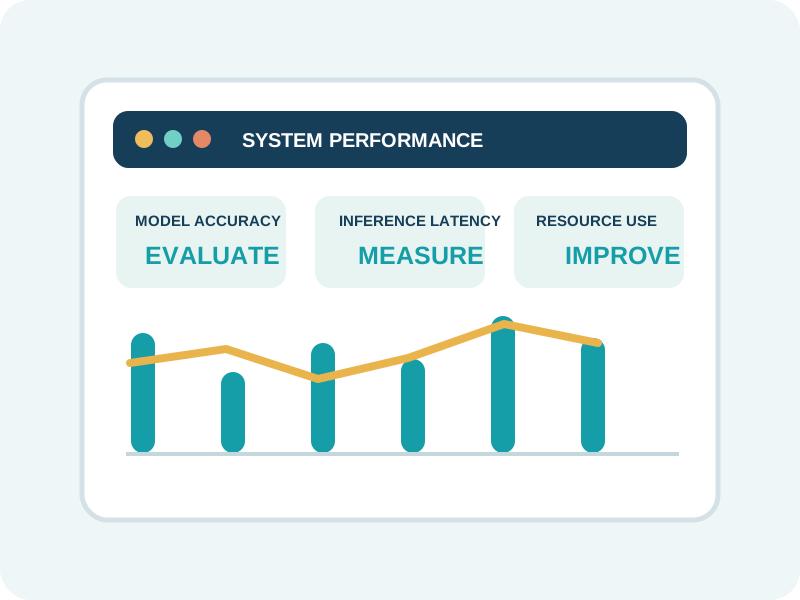
A learning cycle may include understanding a concept, implementing a solution, testing with data, measuring performance, and improving the demonstration. Confirm the actual assessment approach with the institute.
Learn from Industry Experts and Experienced Professionals.




AI Robotics combines artificial intelligence with machines that sense and act in the physical world. Edge AI runs suitable AI processing locally on supported devices, reducing reliance on remote cloud connectivity for some tasks.
This course is suitable for engineering students, graduates, working professionals, makers, and entrepreneurs interested in robotics, embedded systems, AI, or automation. Confirm entry requirements with admissions.
Prior robotics experience may not be required, but basic programming and mathematics are helpful. Beginners may need foundational preparation before advanced topics.
The curriculum includes Python and C/C++ concepts. Confirm the languages, depth, and practical environments in the approved batch syllabus.
Project concepts include robotics prototypes and simulations. Whether learners use a physical robot depends on available lab hardware, supervision, and the final course plan.
Edge AI runs suitable model inference on a supported local device. This can help reduce dependence on network connectivity and may affect latency, privacy, power, and memory trade-offs.
Suggested topics include embedded boards, sensors, ROS 2, Python, C/C++, Linux, computer-vision frameworks, and simulation tools. Exact products and tools depend on the lab and approved syllabus.
Proposed projects include obstacle avoidance, edge object detection, robotic sorting, agriculture monitoring, visual inspection, and autonomous navigation.
Potential pathways include robotics or automation, embedded systems, computer vision, Edge AI, and robotics software. Employers may require additional experience and technical depth.
Proposed career support may include resume guidance, interview preparation, project demonstrations, and job-search advice. Confirm current services.
Confirm the certificate issuer, assessment criteria, and completion requirements with ECAREERPLUZ before enrolling. No external accreditation or vendor certification is implied.
The course duration is 90 hours. Contact admissions for batch dates and the detailed timetable. Course fee: INR 30,000 + 18% GST (INR 5,400). Total including GST: INR 35,400. Confirm exclusions, materials, assessments and payment options with admissions.
The course duration is 90 hours. Contact admissions for batch dates and the detailed timetable.
Confirm course duration, fees, upcoming batch, learning mode, and final curriculum with our team.
Request course details
Build smarter businesses with AI-powered workflows, intelligent chatbots, automated marketing, and business process automation.
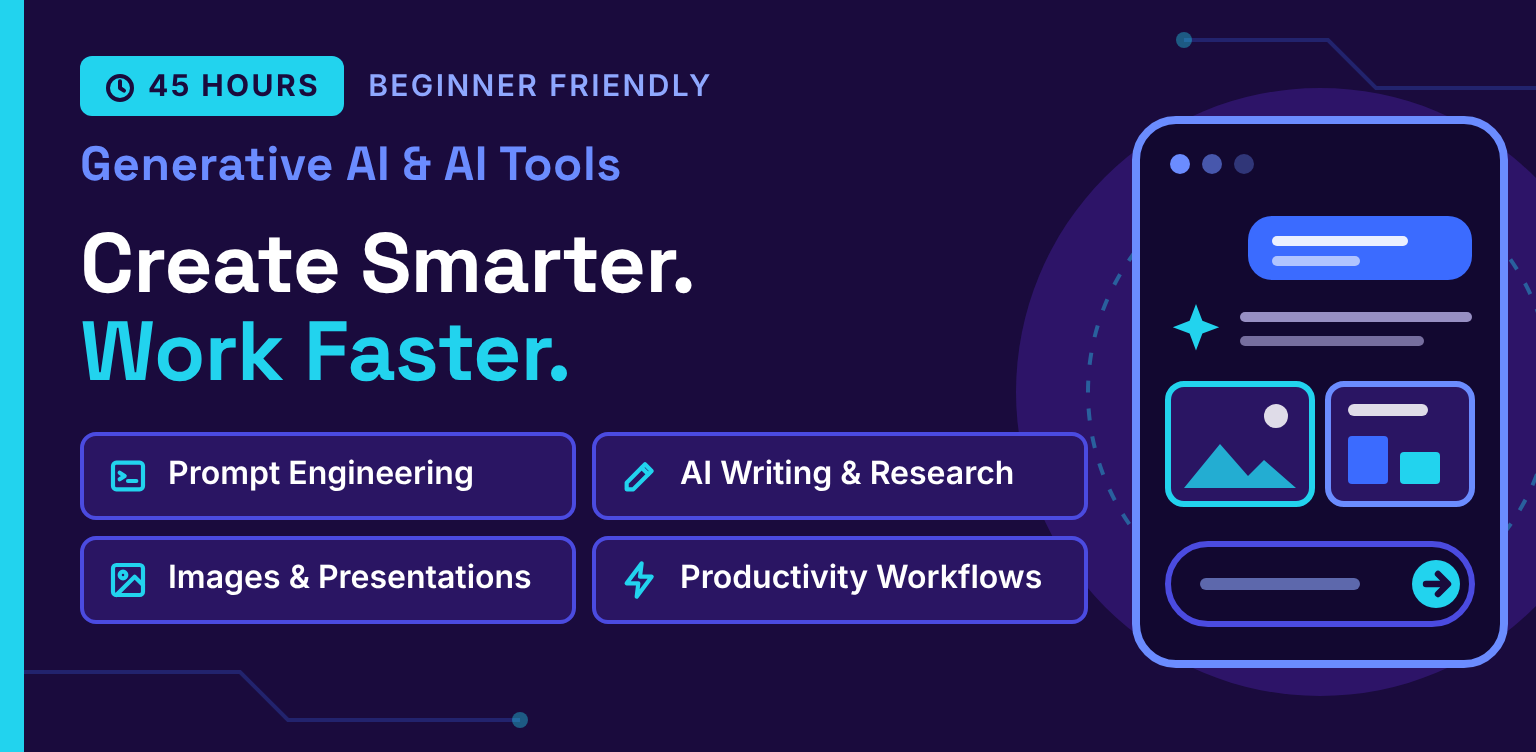
Prompt Engineering · AI Writing & Research · Images & Presentations · Productivity Workflows
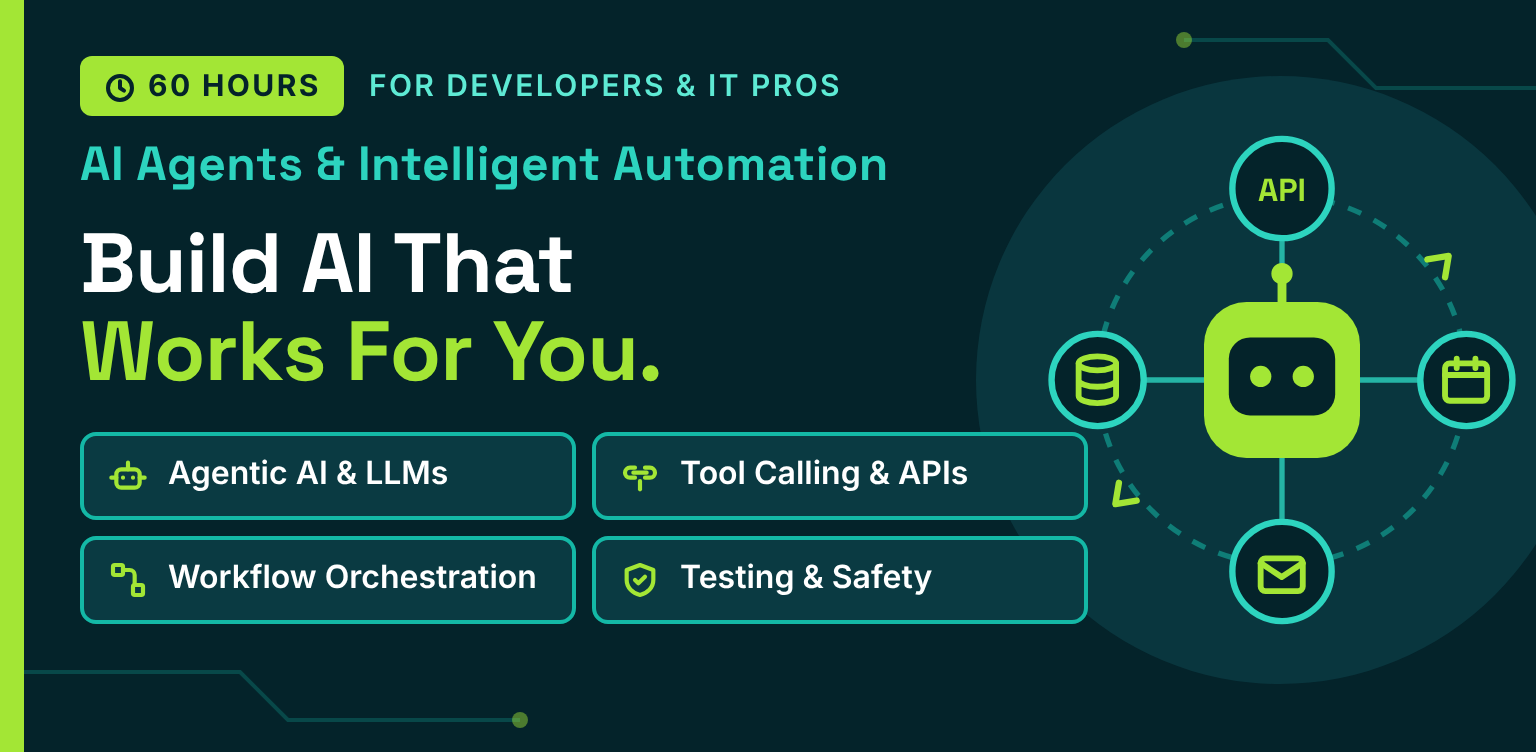
Discover how to build AI agents that can understand instructions, make decisions, use tools, retrieve information, and automate complex business workflows.
Explore skills, try a small project and find your learning direction.
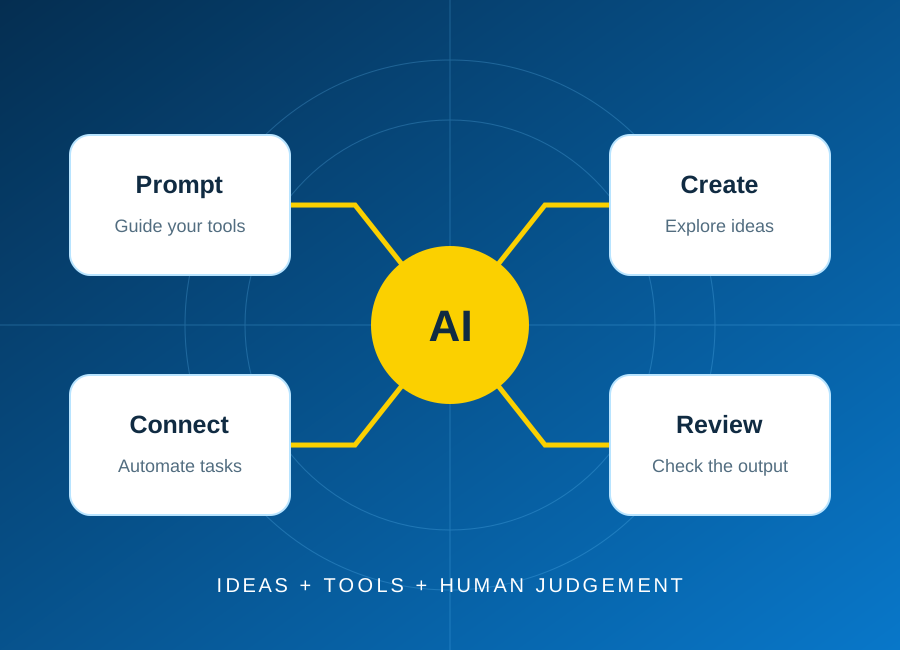
Start with one repeatable task, keep a person in control, and test the result before connecting real business data.
Read article: Plan your first AI automation project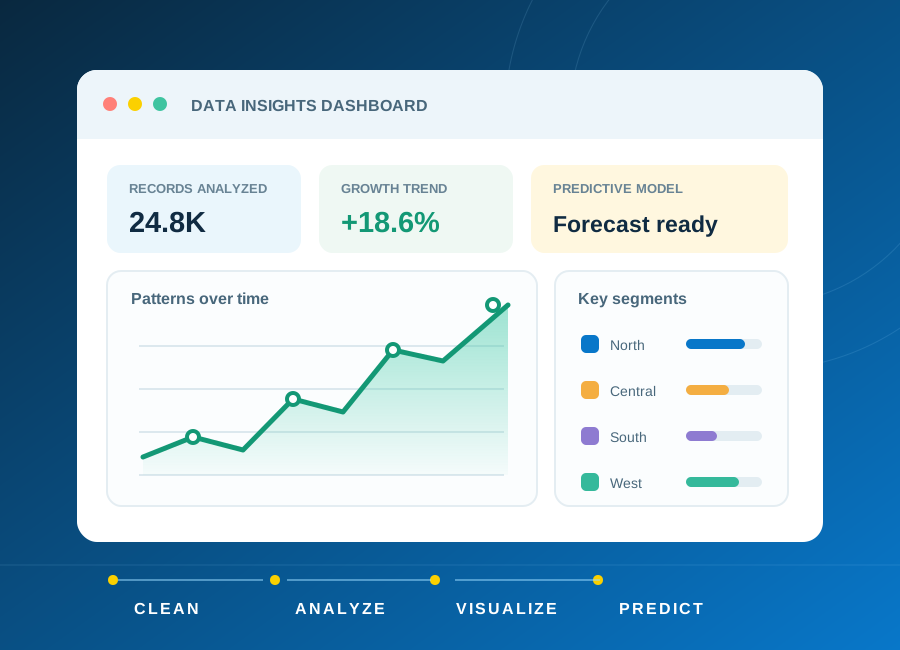
Learn how to frame a question, clean a small dataset and choose charts that explain rather than distract.
Read article: From raw data to a clear, useful dashboard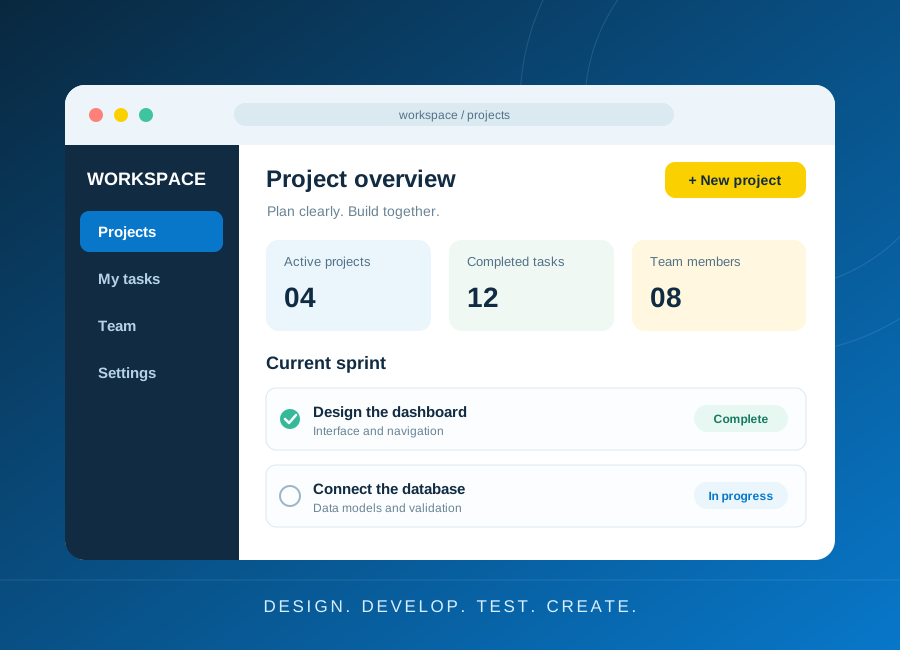
Turn a small idea into a working application with a clear data model, accessible forms and meaningful tests.
Read article: Build a first web application you can explain