Visual AI foundations
Progress from image formats and pixel operations to machine-learning and deep-learning workflows.

Course fee: INR 25,000 + 18% GST (INR 4,500). Total including GST: INR 29,500.
Confirm exclusions, materials, assessments and payment options with admissions.
Make AI See Beyond the Screen
Learn to process images, train visual recognition models, detect objects, and build practical computer vision applications with Python and deep learning.
Image processing, deep learning, and visual AI applications.
Course duration: 75 hours. Contact admissions for batch dates, daily timings and delivery arrangements.
Progress from image formats and pixel operations to machine-learning and deep-learning workflows.
Explore classification, object detection, segmentation, tracking, and image enhancement.
Practise turning visual AI concepts into documented, demonstrable application prototypes.
Build project and presentation skills.
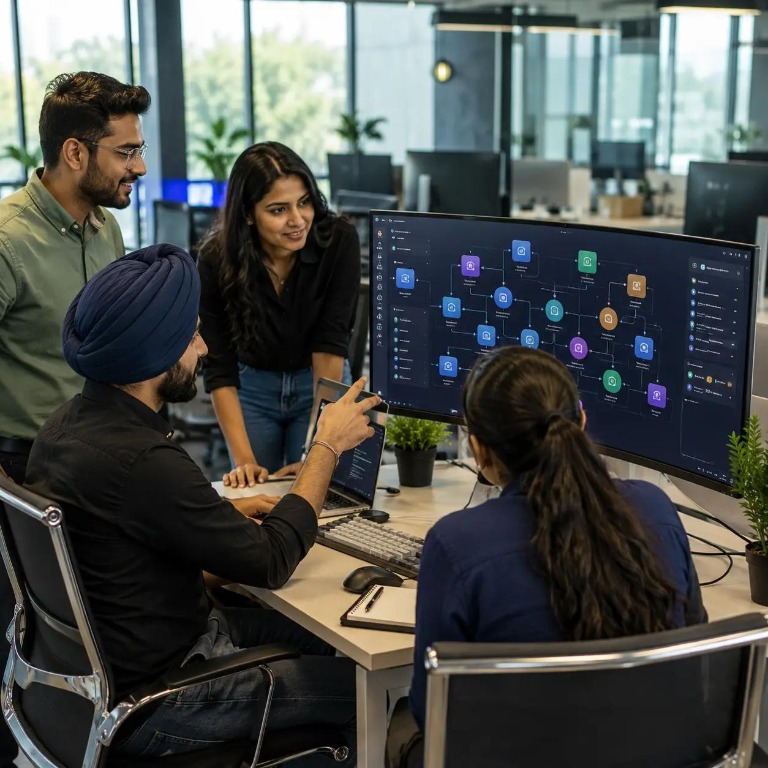
Computer Vision is a branch of Artificial Intelligence that enables computers to extract meaningful information from images and videos. Image AI combines image processing, machine learning, and deep learning to help systems identify objects, classify images, detect defects, and interpret visual scenes.
At E Careerpluz, this program introduces the workflow behind visual AI applications, from preparing image datasets and processing pixels to training models, evaluating performance, and exploring practical deployment.
Whether you are an aspiring AI engineer, software developer, engineering student, or technology entrepreneur, this course introduces skills for turning visual data into intelligent applications.
Connect programming and technical coursework with image-processing and visual AI exercises.
Develop foundations in Python, machine learning, and computer vision applications.
Extend programming experience into image processing and model-powered applications.
Explore how computer vision can support automation and visual analysis use cases.
Investigate visual AI product ideas through prototypes and problem-focused projects.
Progress from basic image operations to deep-learning-powered vision applications.
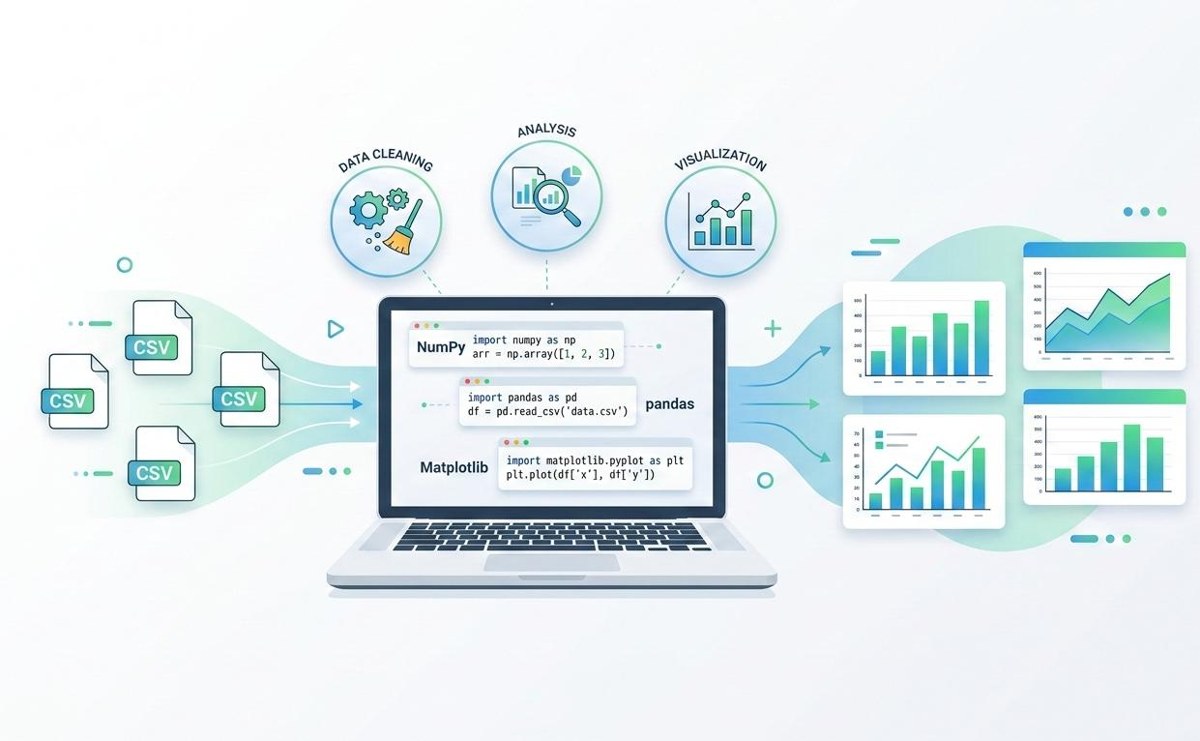
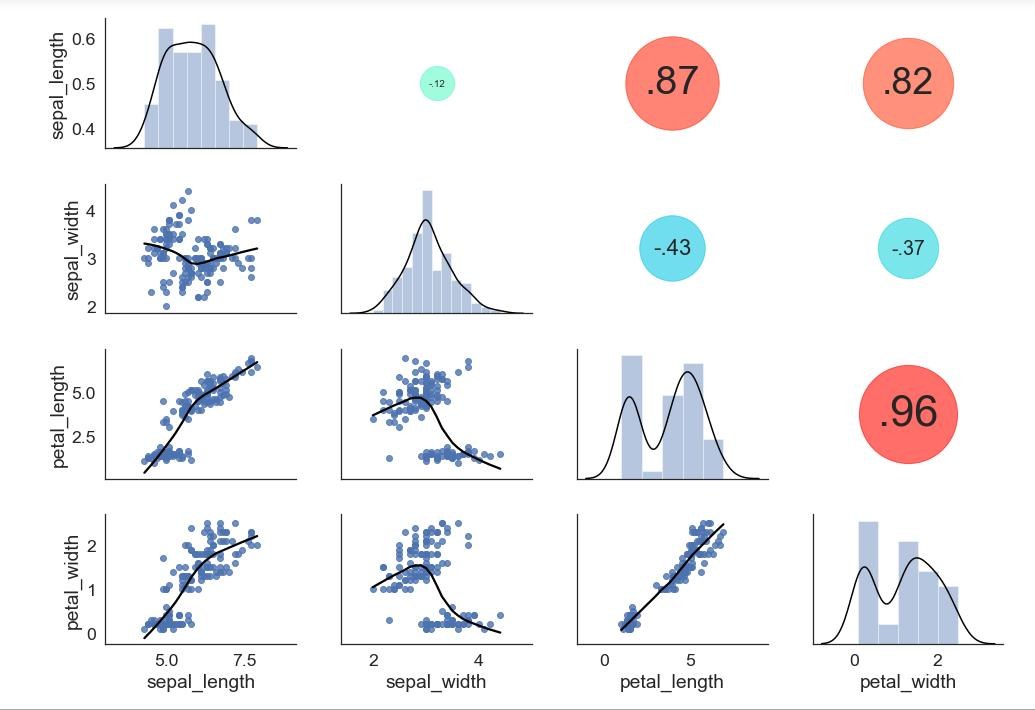
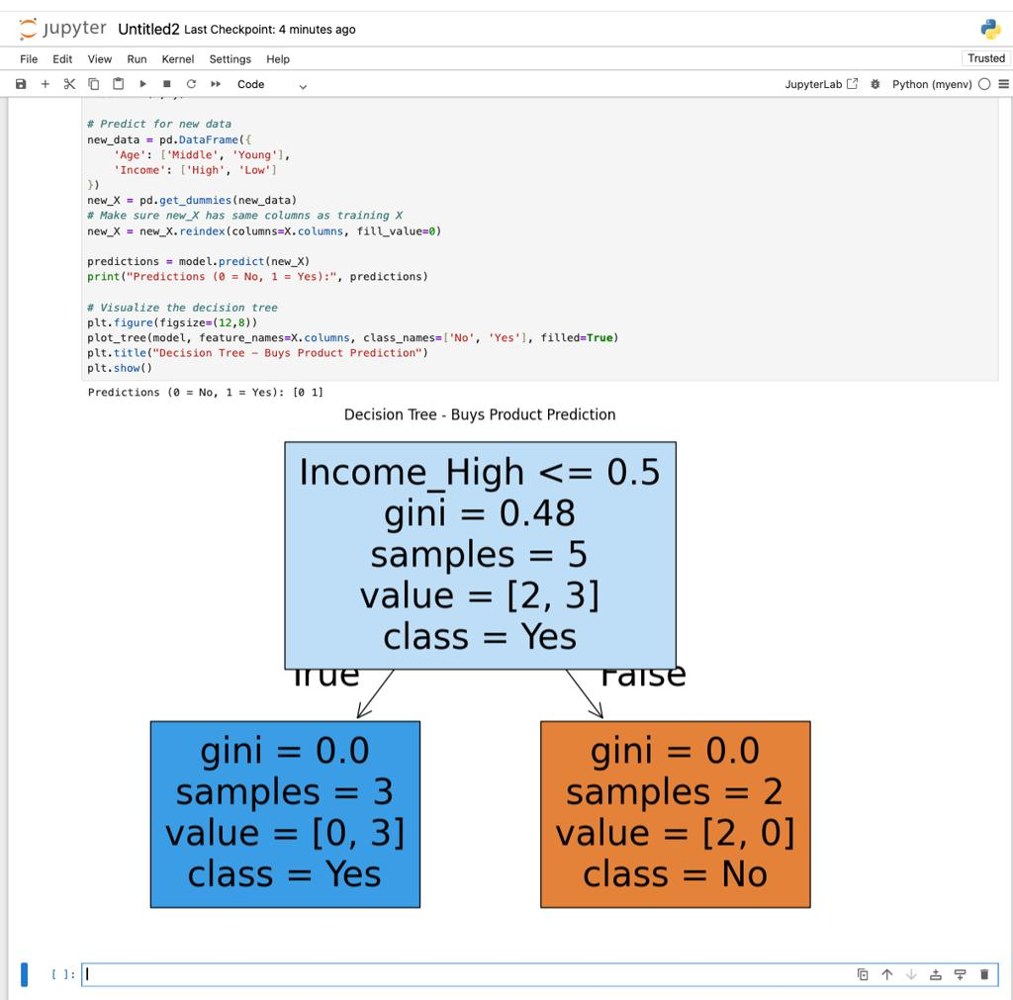
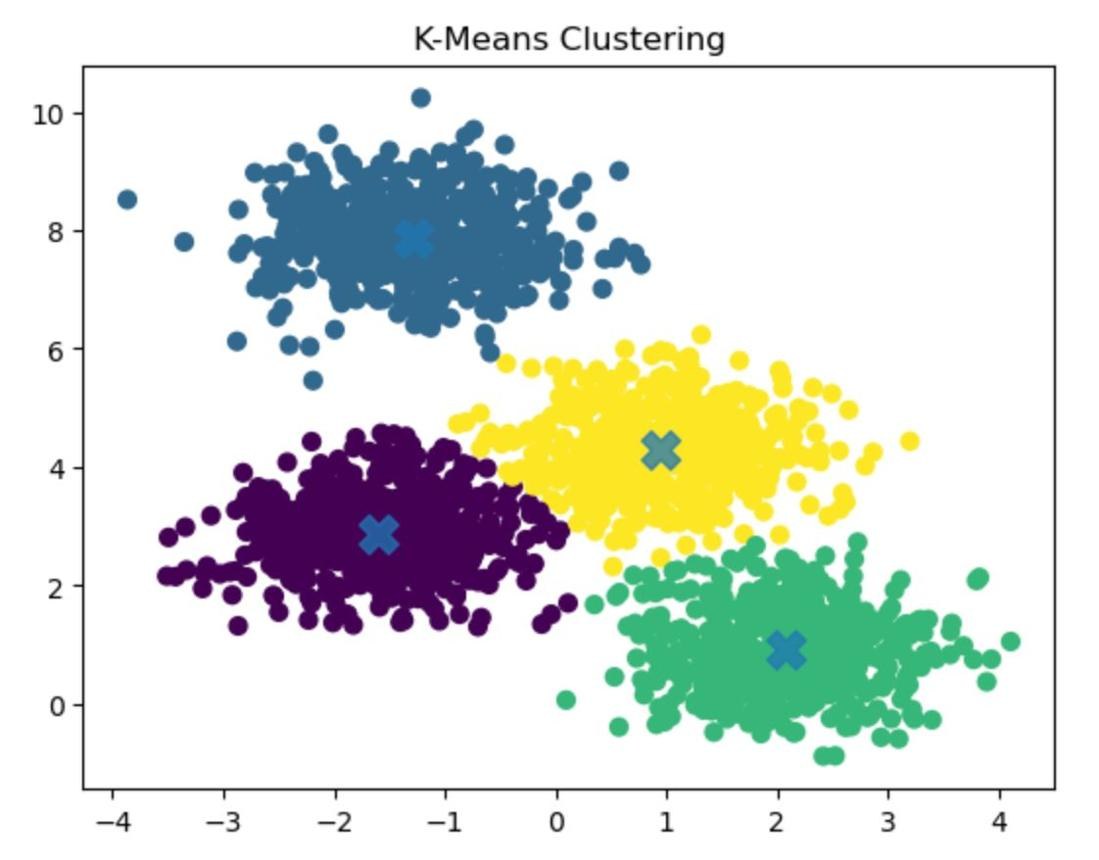
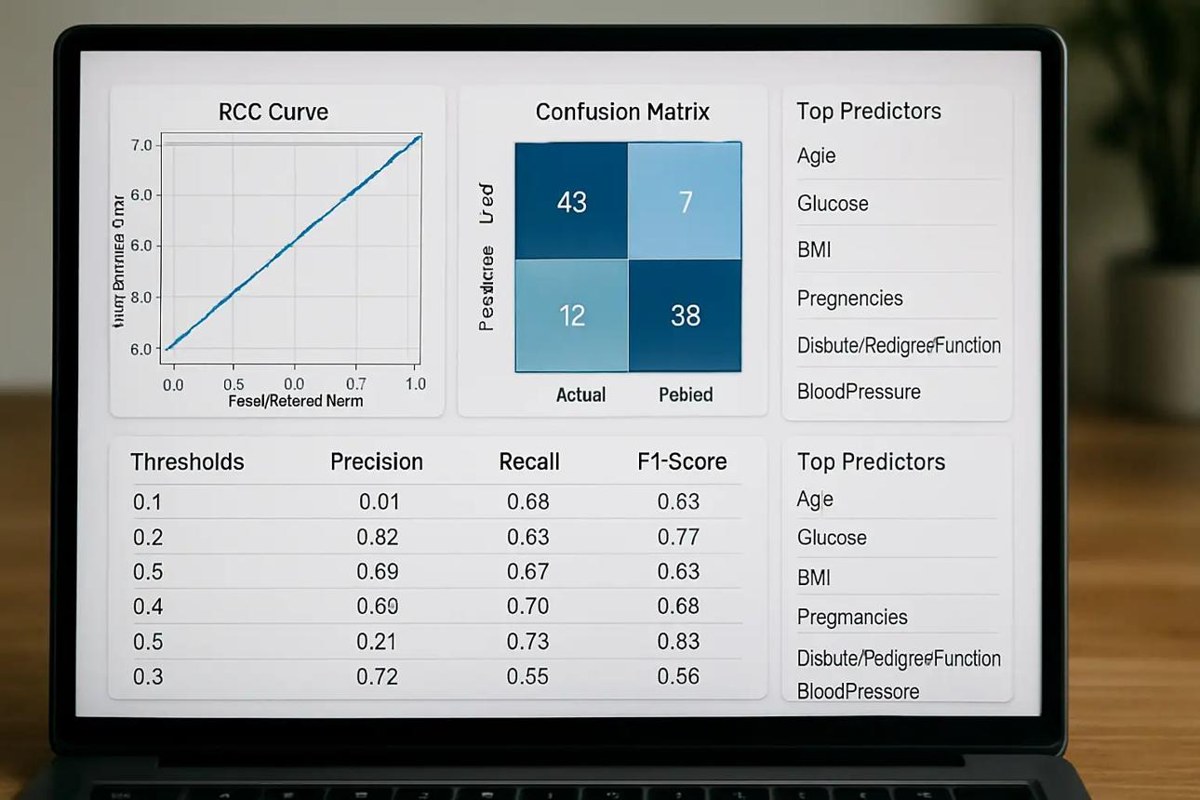
This is a curriculum preview. Modules, tools, depth, duration, and batch syllabus may be adjusted; confirm the approved course structure with E Careerpluz.
Explore programming libraries, deep-learning frameworks, and image datasets used in computer vision. Confirm which technologies are included in your batch.

Core programming language for image analysis and AI workflows.
Image processing, video analysis, and computer vision algorithms.

Numerical computing and image-array operations.
Image loading, editing, and format conversion.
Build, train, and evaluate deep-learning models.
Develop and explore machine-learning and deep-learning applications.
Explore fast object-detection workflows and visual recognition.
Discover pretrained models, datasets, and open-source AI resources.

Experiment with code, datasets, and model-development workflows.
Explore hosted notebooks and GPU-assisted experiments where available.
Create interactive interfaces for AI demonstrations and prototypes.
Track source changes, collaborate, and present project portfolios.
Discuss tool access and any separate provider accounts with admissions. Additional concepts may include image annotation, data augmentation, COCO and ImageNet datasets, model evaluation, REST APIs, model optimization, and responsible AI. Tool availability, subscriptions, computing hardware, GPU access, and final syllabus coverage must be confirmed with admissions. Product names and trademarks belong to their respective owners; no vendor partnership or certification is implied.
Apply computer vision concepts to practical project ideas. Dataset choice, model scope, and implementation depend on the approved syllabus and available resources.
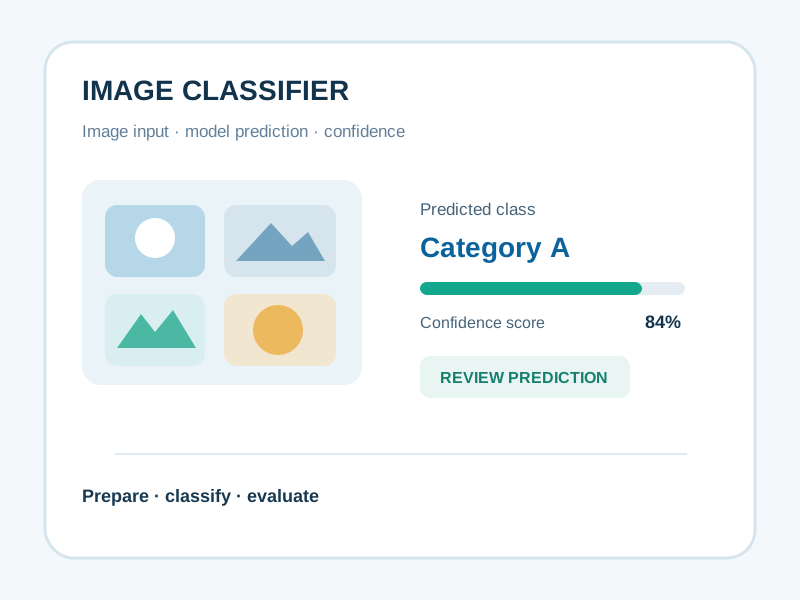
Build an application that categorizes images into predefined classes using machine learning or deep learning.
Skills: Python, image preprocessing, CNNs, and model evaluation.
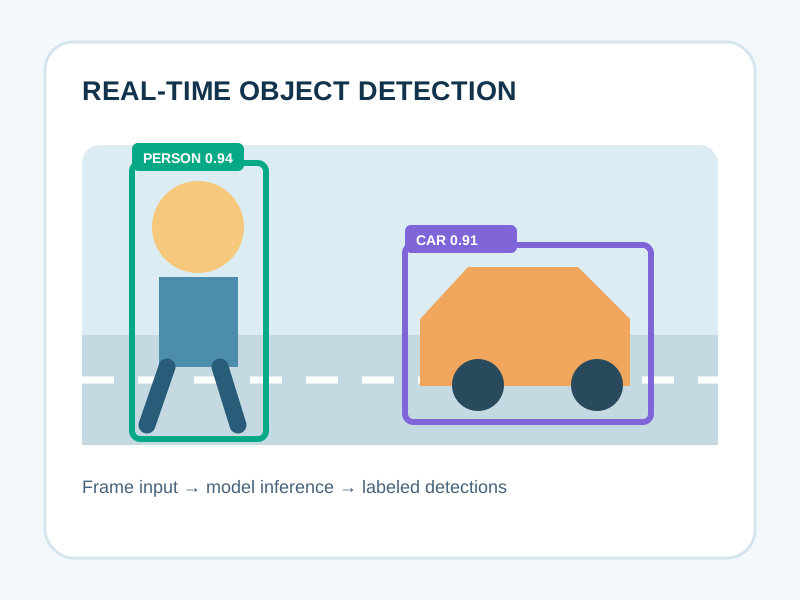
Detect and label selected objects from images, webcam feeds, or recorded videos.
Skills: OpenCV, YOLO, and real-time inference.
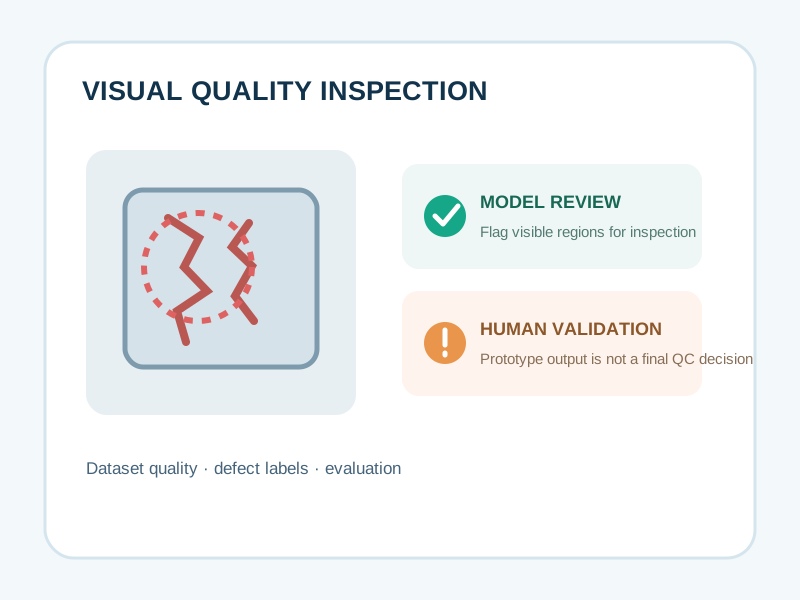
Create a prototype that identifies visible defects or classifies product images for quality-control support.
Skills: Image analysis, dataset preparation, and defect classification.
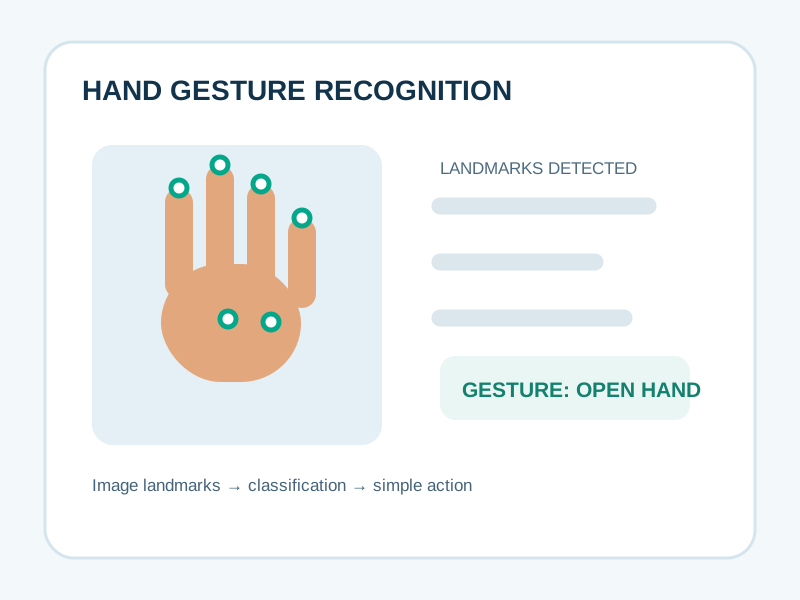
Develop a vision prototype that recognizes selected hand gestures and maps them to simple actions.
Skills: Image classification, landmark detection, and interaction design.
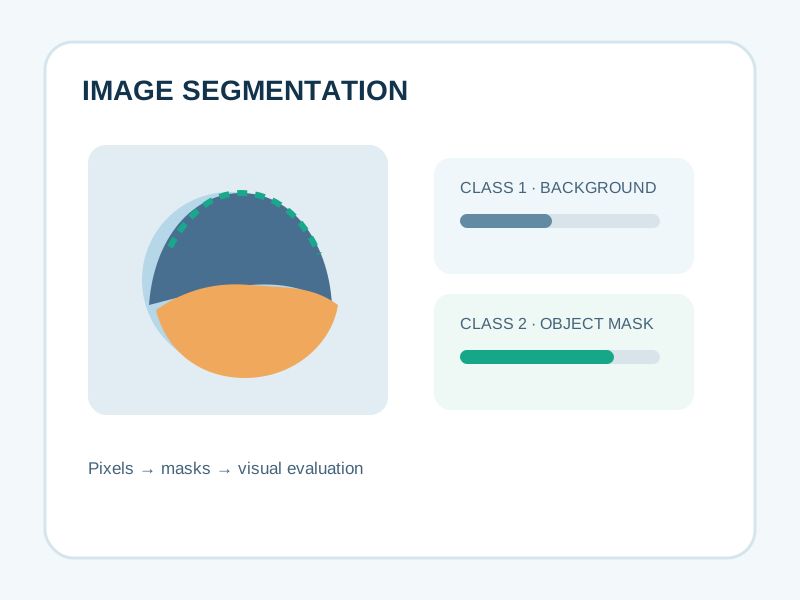
Segment images into meaningful regions or object categories using an appropriate model.
Skills: Segmentation masks, deep learning, and visual evaluation.
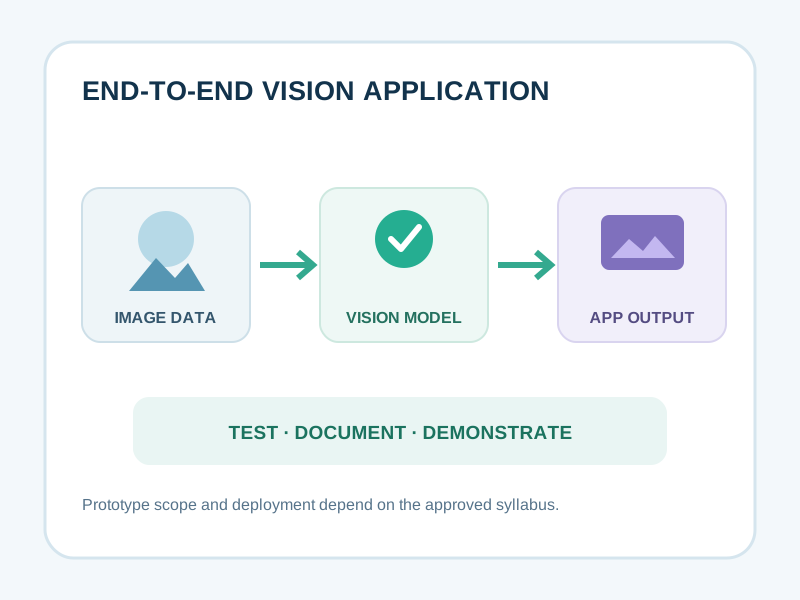
Choose a practical problem, prepare an appropriate dataset, implement a model, develop an interface, and present a working prototype.
Deliverables: Source code, project documentation, evaluation results, and a demonstration.
Build a practical project portfolio that demonstrates computer-vision concepts, evaluation, and application development.
By the end of the course, learners should be able to:
Load, transform, enhance, and prepare images for AI models.
Develop classification workflows using machine learning and deep learning.
Explore appropriate pretrained or custom models for object detection.
Evaluate predictions using suitable metrics and test data.
Apply vision models to webcam feeds, video, or image uploads.
Document code, explain technical decisions, and demonstrate project outcomes.
Practical ability depends on the approved syllabus, prior preparation, and continued project work.
Computer vision is used in manufacturing, retail, agriculture, logistics, robotics, automotive technology, and medical-imaging research. Career requirements vary by role and employer; validate salary ranges against current job listings before using them as market data.
Develop systems that interpret images and video for industrial and commercial applications.
Build, evaluate, and integrate machine-learning models into software products.
Create image-enhancement, analysis, and visual-inspection solutions.
Prepare image datasets, support model training, and evaluate prediction quality.
Explore niche AI tools and visual-automation solutions for business problems.
Compare these planning ranges with current local opportunities. Pay varies by role, qualifications, experience and employer.
Build your future: Start with a defined problem, validate it using an appropriate small dataset and prototype, and assess accuracy, deployment costs, and privacy requirements before offering a commercial solution.

Career support focuses on practical skills, project presentation, and career readiness for opportunities in AI, machine learning, and software development.
Highlight Python, computer-vision projects, tools, and technical skills in a clear professional portfolio.
Practise Python, image processing, machine-learning fundamentals, and project-based interview questions.
Document and demonstrate projects using source code, reports, and working prototypes.
Explore relevant roles, interview preparation, and suitable openings where available.
Employer partnerships, interview commitments, placement statistics, and specific openings should be stated only when supported by current records.
Explore example computer vision and image AI projects and learning journeys.
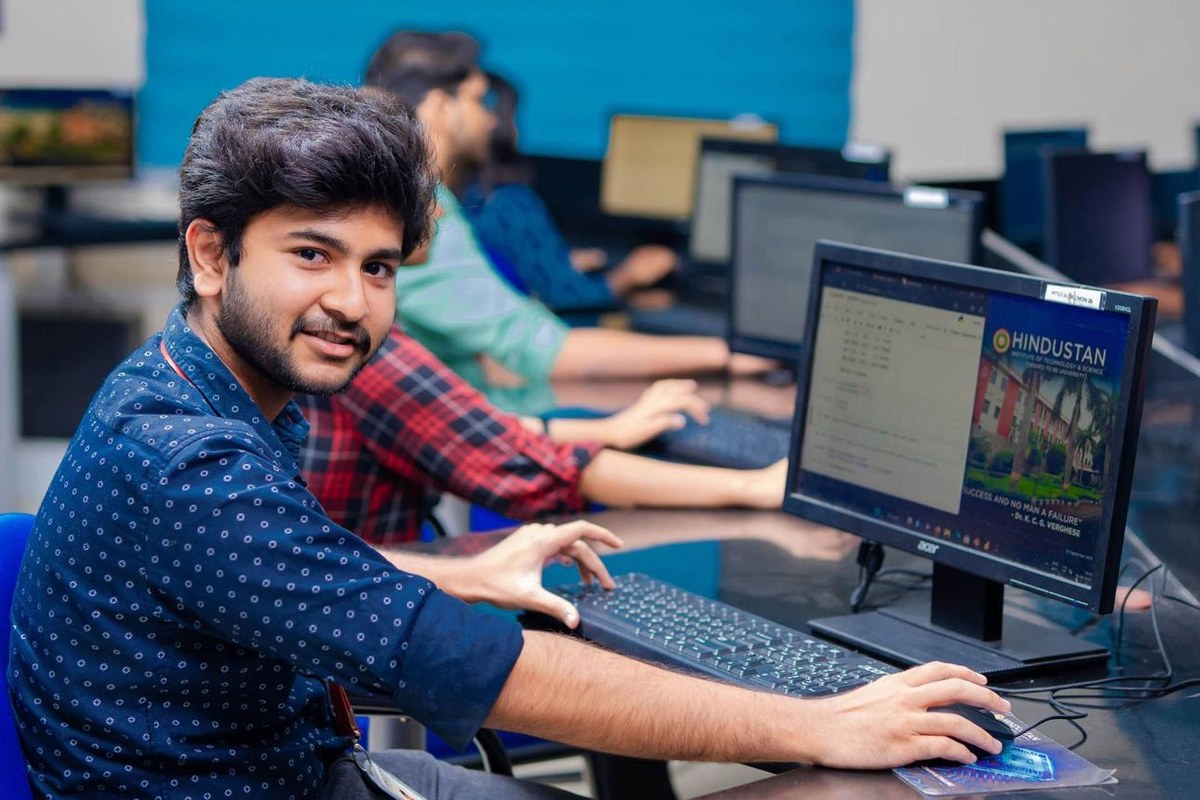
Example project showcase
A sample learner journey builds understanding of visual data through Python, image processing, and practical exercises.
Practice focus: Python fundamentals, image processing, and model concepts.

Example project showcase
A sample object-detection project connects programming concepts with a practical use case and a project that can be explained to others.
Practice focus: Object detection, evaluation, and project communication.
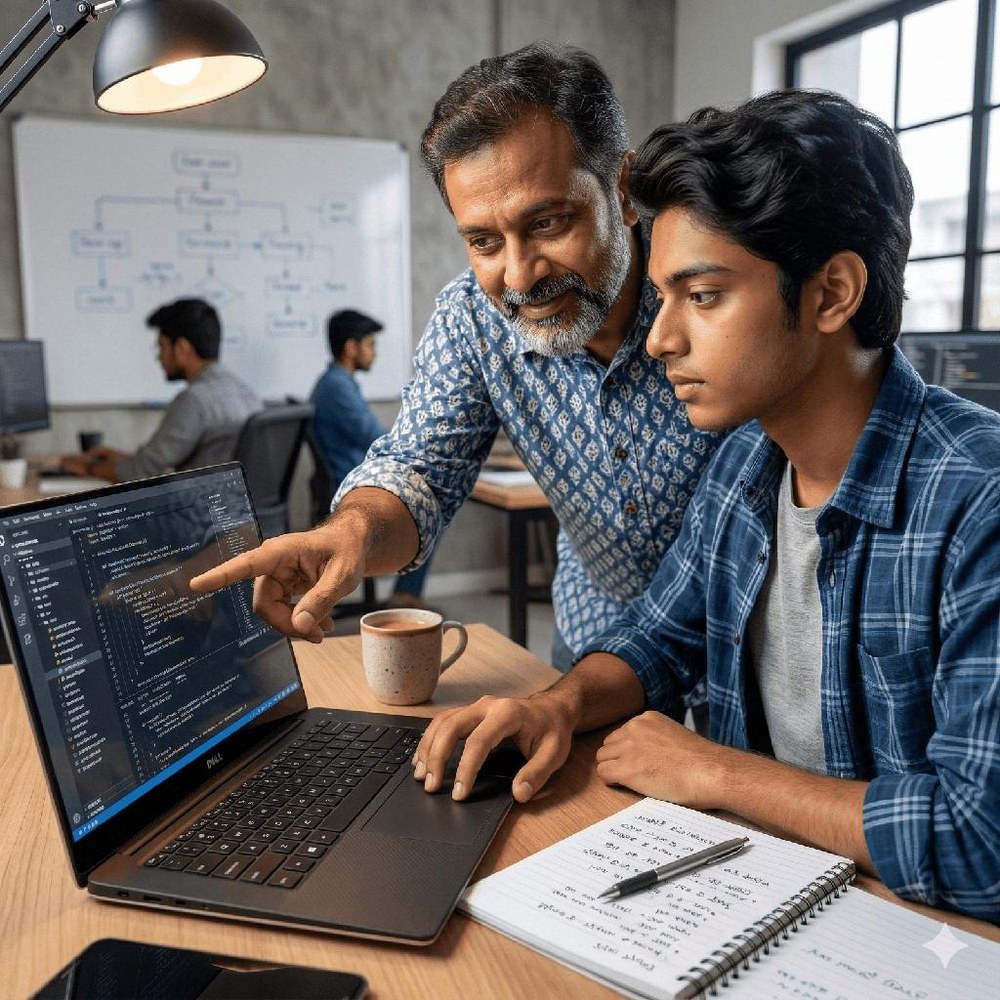
Example project showcase
A sample project focuses on model evaluation, documentation, and explaining technical decisions behind an AI application.
Practice focus: Model evaluation, documentation, and presentation.
Computer vision learning involves understanding datasets, measuring model performance, and learning from errors and limitations.
Work with structured image datasets and examine how data quality can affect model performance.
Understand accuracy, precision, recall, confusion matrices, and task-specific metrics.
Experiment with preprocessing, model selection, and training settings to evaluate results.
Consider dataset bias, consent, privacy, model limitations, and responsible handling of visual information.
The learning approach includes practical demonstrations, guided coding, independent practice, project reviews, measurable learning outcomes, and portfolio-oriented development.
Learn from Industry Experts and Experienced Professionals.




Computer vision is an area of AI that enables software to analyze images and video. Image AI can include image processing, classification, object detection, segmentation, and other visual tasks.
Prior AI experience may not be required, but basic programming knowledge is helpful. Ask admissions about prerequisites and whether the selected batch includes Python and mathematics foundations.
Python is the primary language used in this course because it is widely used for image processing and machine-learning workflows. Confirm the approved syllabus with admissions.
The curriculum includes project-based work and real-time vision concepts. Actual projects, hardware access, datasets, and implementation depend on the approved batch syllabus.
Requirements depend on the models, datasets, and training approach used. Some experiments may use hosted notebook environments, but availability, GPU access, and hardware requirements should be confirmed before enrolling.
Potential pathways include computer vision engineer, AI or machine-learning engineer, image-processing developer, and AI data or model specialist. Each role may require additional experience, education, and technical skills.
These skills may help explore visual-inspection, retail, agriculture, or custom software ideas. Validate the problem, data rights, privacy, performance, and operating costs before offering a commercial service.
Confirm the certificate issuer, assessment requirements, and completion terms with E Careerpluz before enrolling. No third-party accreditation or vendor certification is implied.
Ask our team about available career guidance, portfolio preparation and interview practice. Employers make their own selection decisions based on skills, qualifications and vacancies.
Use the enquiry form to ask E Careerpluz to confirm the approved syllabus, prerequisites, duration, fees, delivery format, and upcoming batch before deciding.
Course fee: INR 25,000 + 18% GST (INR 4,500). Total including GST: INR 29,500. Confirm exclusions, materials, assessments and payment options with admissions.
The course duration is 75 hours. Contact admissions for batch dates and the detailed timetable.
Confirm course duration, fees, upcoming batch, learning mode, and final curriculum with our team.
Request course details
Build smarter businesses with AI-powered workflows, intelligent chatbots, automated marketing, and business process automation.
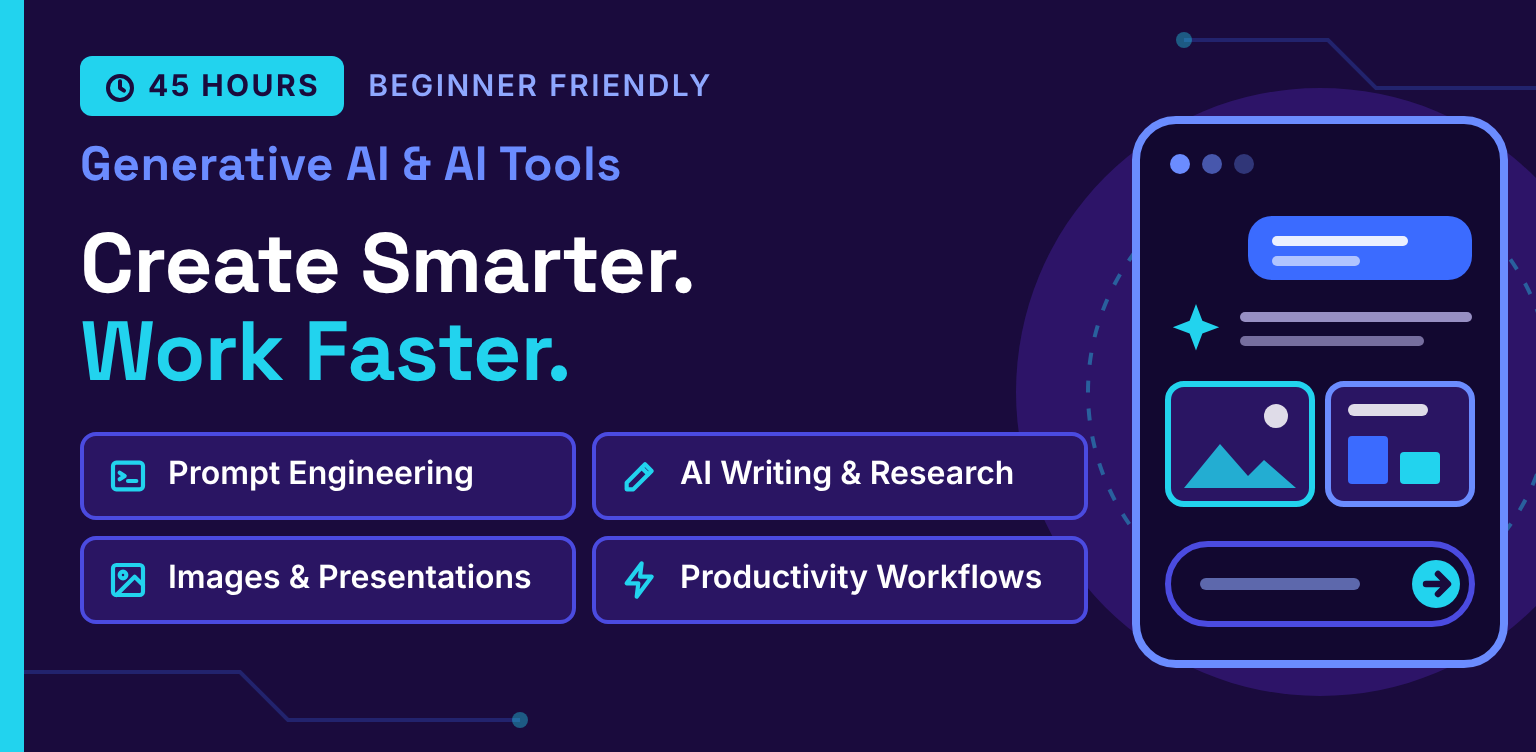
Prompt Engineering · AI Writing & Research · Images & Presentations · Productivity Workflows
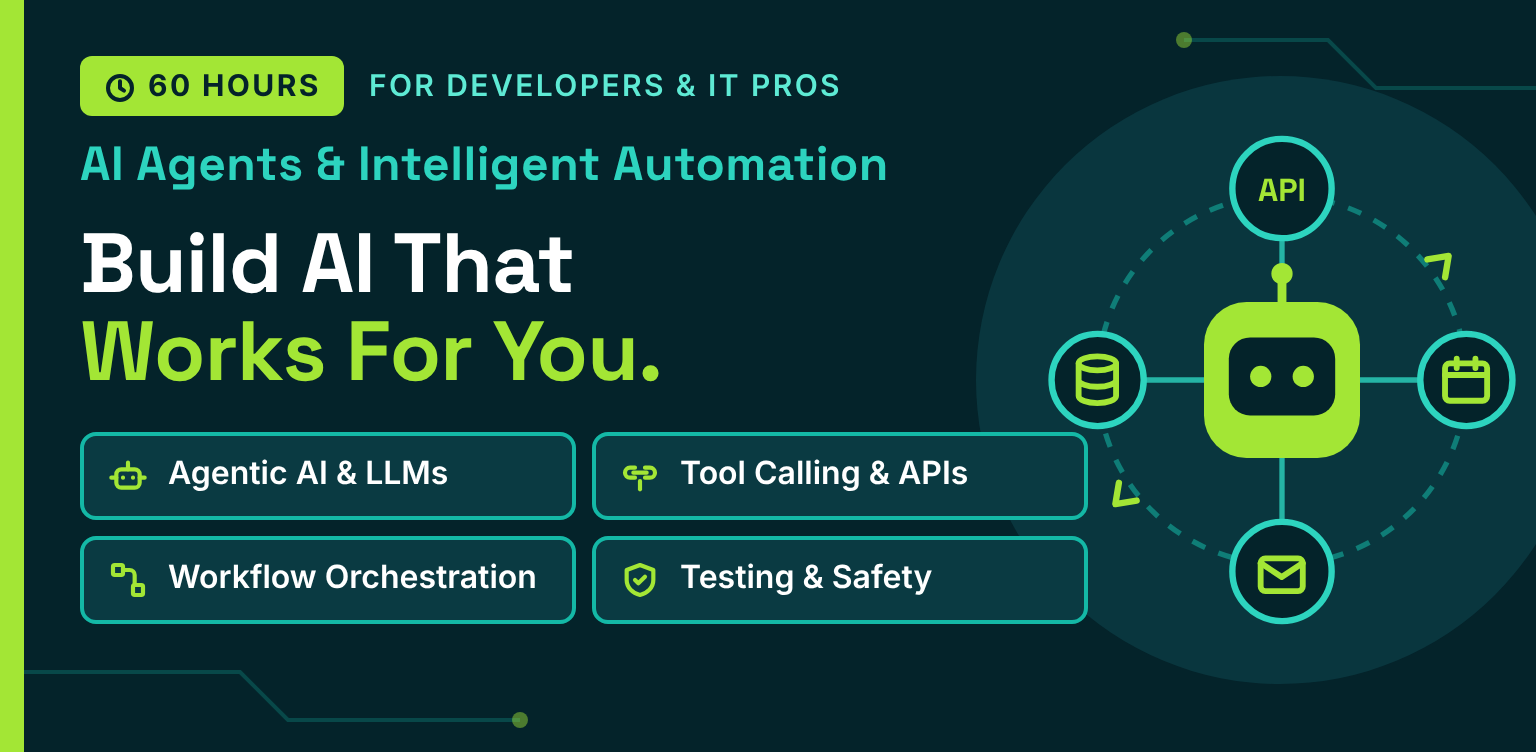
Discover how to build AI agents that can understand instructions, make decisions, use tools, retrieve information, and automate complex business workflows.
Explore skills, try a small project and find your learning direction.
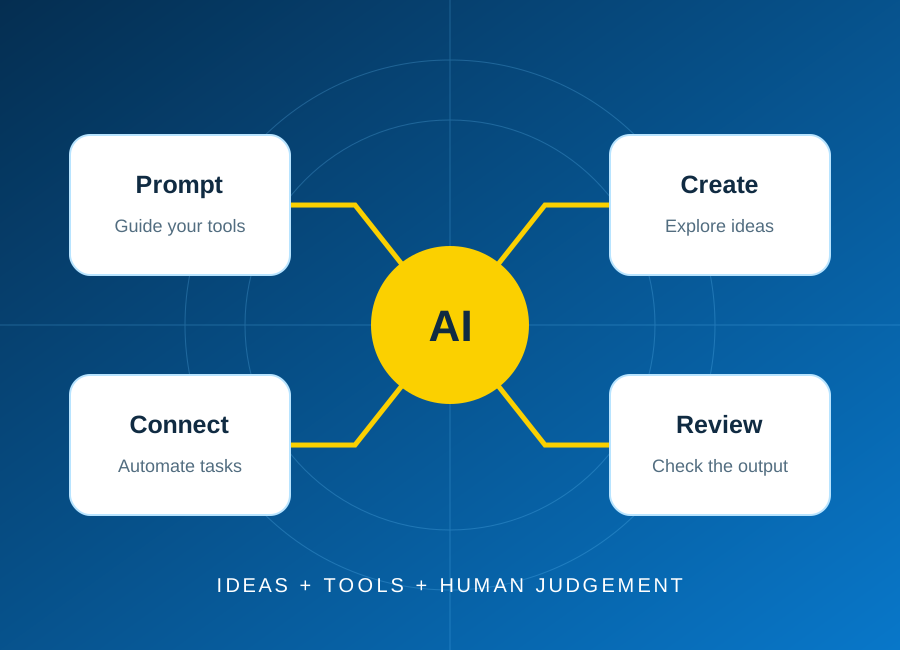
Start with one repeatable task, keep a person in control, and test the result before connecting real business data.
Read article: Plan your first AI automation project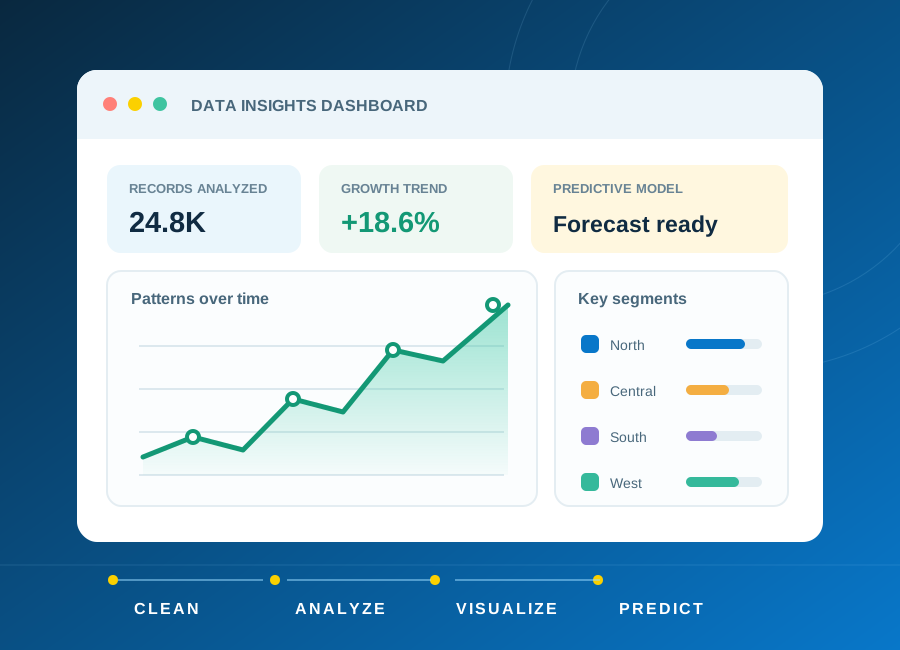
Learn how to frame a question, clean a small dataset and choose charts that explain rather than distract.
Read article: From raw data to a clear, useful dashboard
Turn a small idea into a working application with a clear data model, accessible forms and meaningful tests.
Read article: Build a first web application you can explain