Hands-on projects
Practise with realistic business scenarios and datasets.


Course fee: INR 22,000 + 18% GST (INR 3,960). Total including GST: INR 25,960.
Confirm exclusions, materials, assessments and payment options with admissions.
Turn Data into Decisions. Predict the Future.
Learn how to transform raw data into meaningful insights, build predictive models, uncover business opportunities, and make data-driven decisions using Python, statistics, machine learning, and modern analytics tools.
Python, SQL, statistics, machine learning and visualization.
Course duration: 120 hours. Contact admissions for batch dates, daily timings and delivery arrangements.
Practise with realistic business scenarios and datasets.
Explore Python, SQL, statistics, machine learning, and visualization.
Develop practical forecasting and model-evaluation skills.
Build projects and receive career guidance.
Data Science & Predictive Analytics helps organizations understand what happened, why it happened, what may happen next, and what actions they can take.
At Ecareerpluz, this program introduces learners to the complete data science workflow, from collecting and cleaning data to exploring patterns, building machine learning models, evaluating predictions, and communicating insights through compelling visualizations.
Through guided practice and project-based learning, you will explore how data science is applied in industries such as banking, healthcare, retail, education, manufacturing, marketing, logistics, and technology.
Build applied skills across data preparation, analysis, and predictive modeling.
Connect coursework with guided analytical projects and portfolio practice.
Explore data workflows and tools relevant to business decision-making.
Develop foundations in Python, SQL, statistics, and machine learning.
Learn how analytics and forecasting can inform business decisions.
The curriculum progresses from foundational concepts to practical predictive analytics and machine learning.



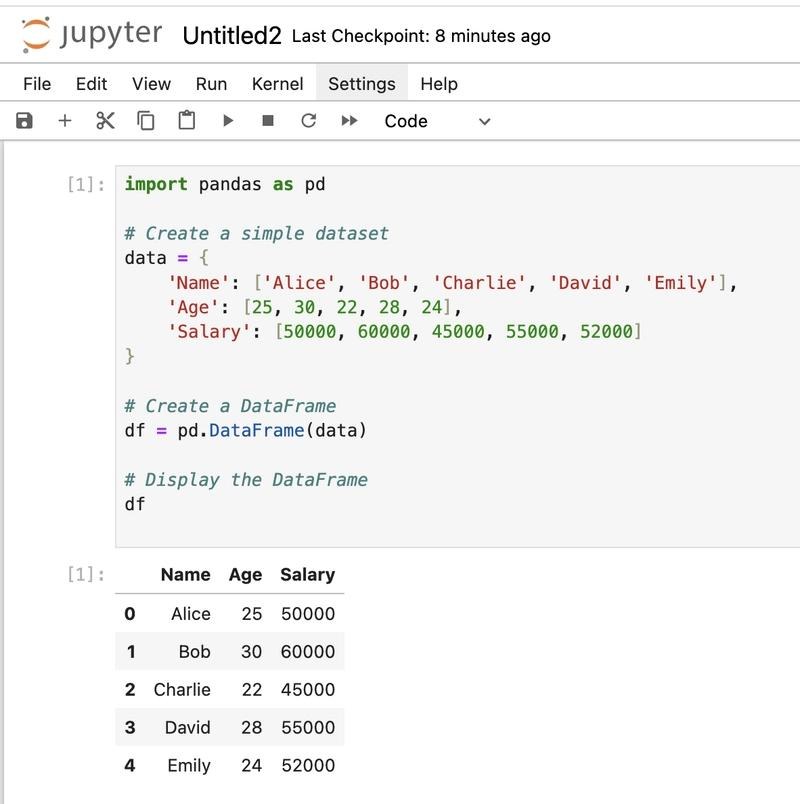
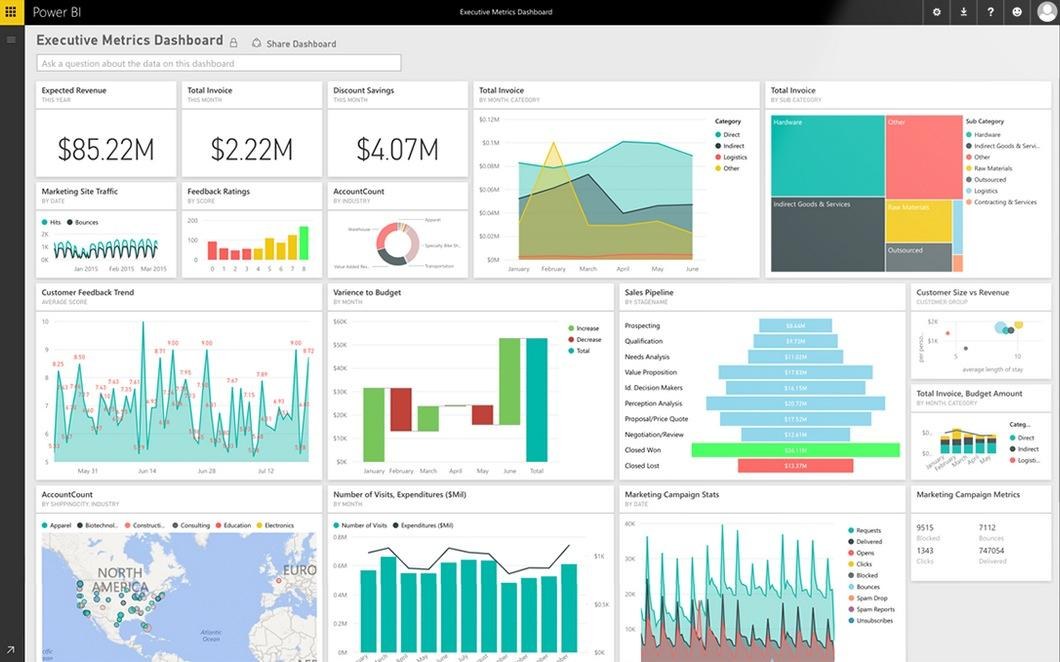


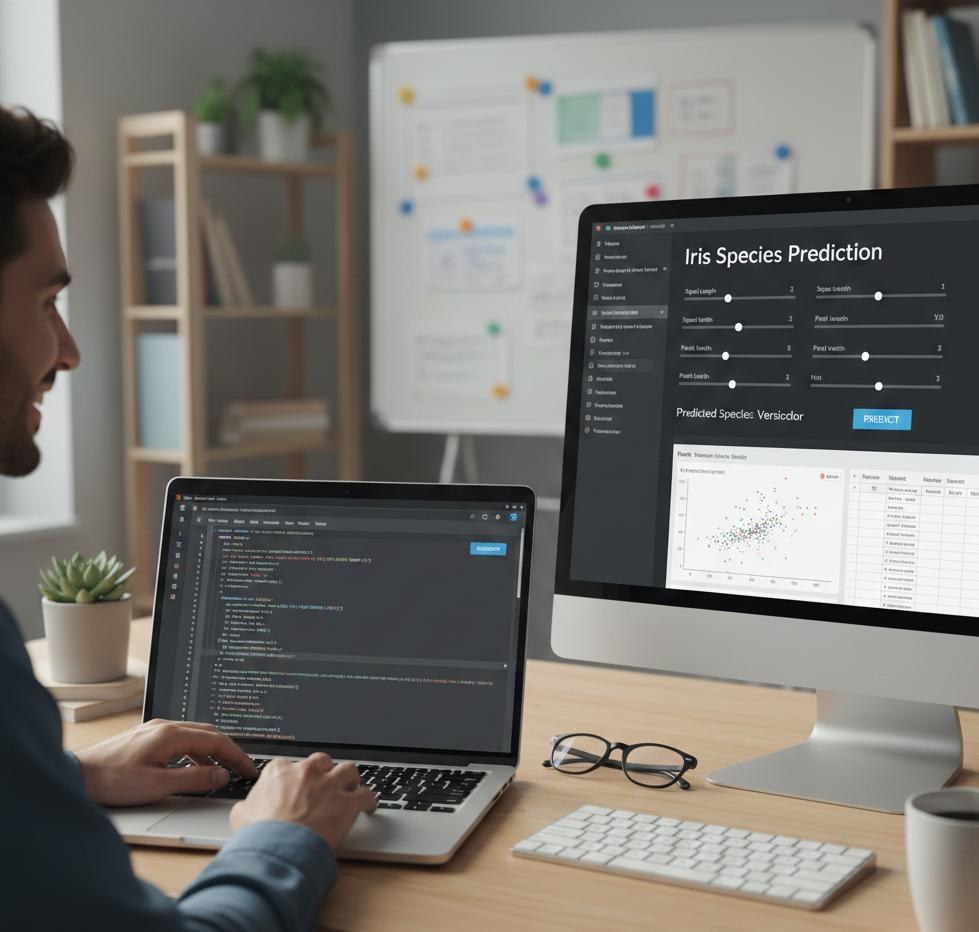

The final module sequence, duration, and depth depend on the selected course level. Confirm the approved syllabus with ECAREERPLUZ before enrolling.
Build a practical toolkit for collecting, analyzing, visualizing, and modeling data. The final tools depend on the approved syllabus and training environment.
Programming for data processing, analytics, and machine learning workflows.
Retrieve, filter, combine, and analyze structured relational data.

Write Python code, test analytical ideas, visualize findings, and document experiments.
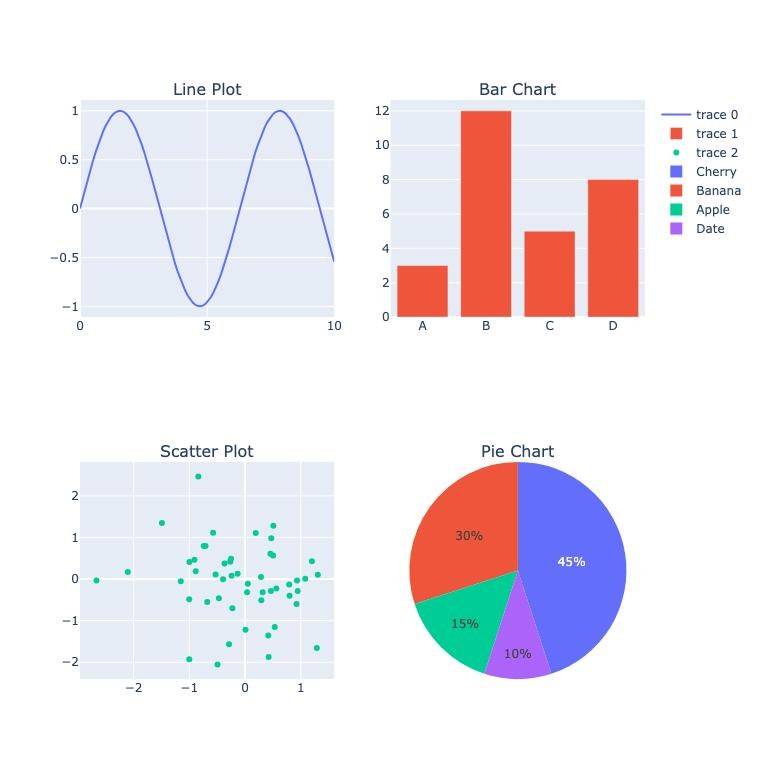
Create statistical charts, distribution plots, correlation heatmaps, and visual reports.
Build interactive dashboards, KPI visualizations, and business intelligence reports.
Develop regression, classification, clustering, model-selection, and evaluation workflows.
Explore neural networks and advanced analytical applications where included in the course.
Track code changes, maintain repositories, collaborate, and present a project portfolio.
Discuss tool access and any separate provider accounts with admissions. Suggested teaching technologies; display only tools included in the approved course syllabus and training environment. Third-party product names and trademarks belong to their respective owners. Confirm software access, subscriptions, and any additional charges with admissions.
Learn by solving practical problems inspired by real business situations. Each project connects data analysis with a measurable business question.
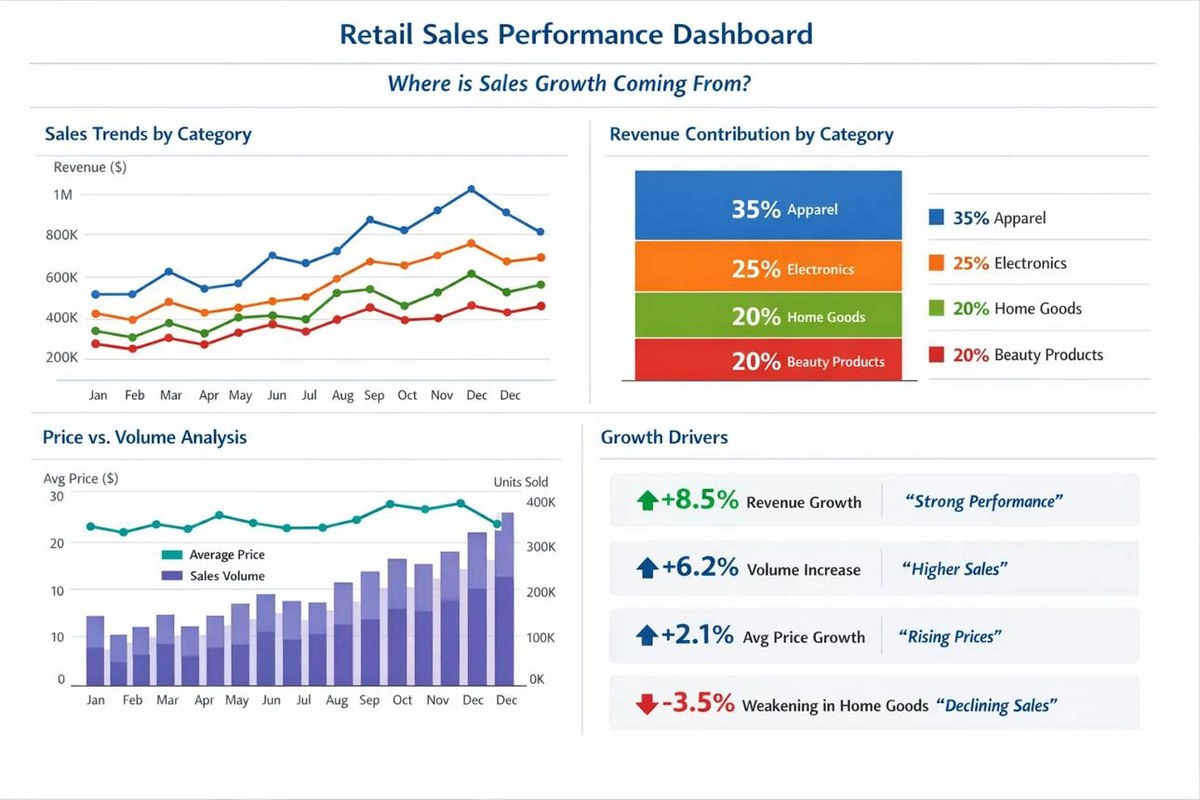
Analyze historical sales, identify seasonal patterns, and forecast future demand to support inventory and business planning.
Skills: Python, Pandas, time-series analysis, visualization.
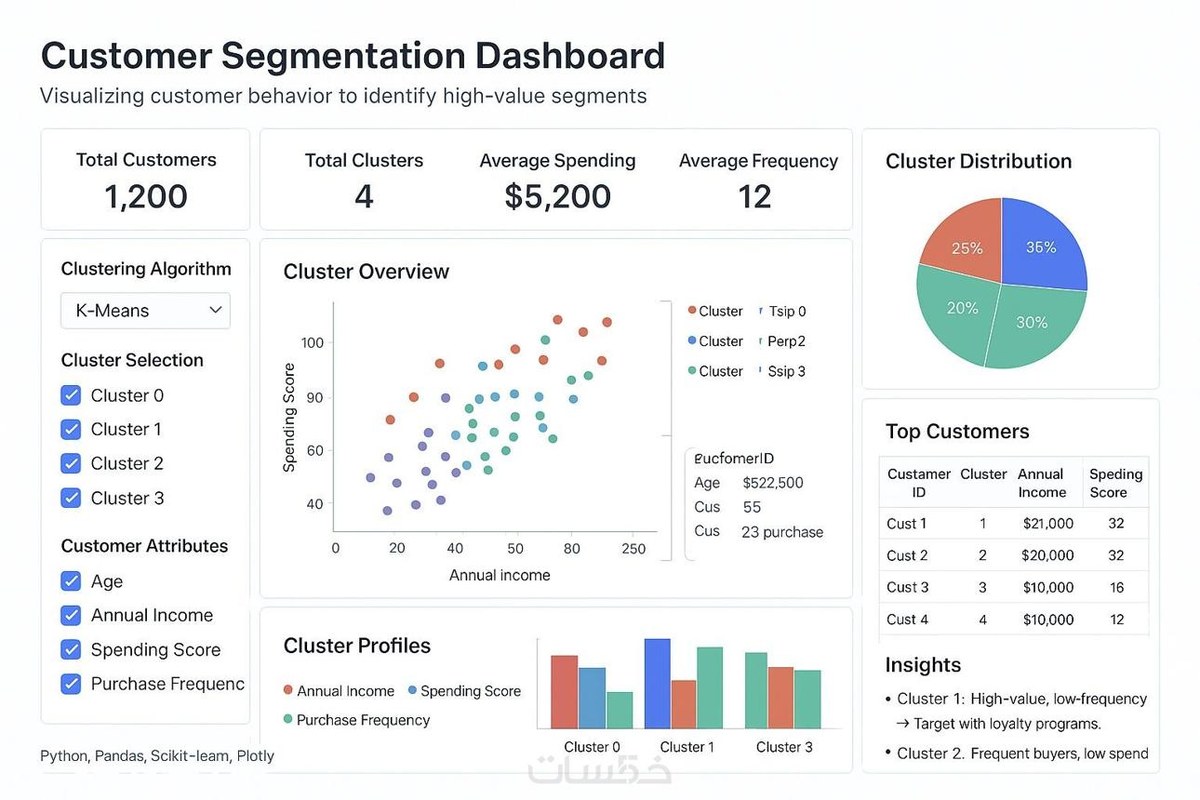
Group customers based on purchasing behavior and engagement to help businesses plan targeted marketing campaigns.
Skills: Exploratory data analysis, clustering, Scikit-learn.
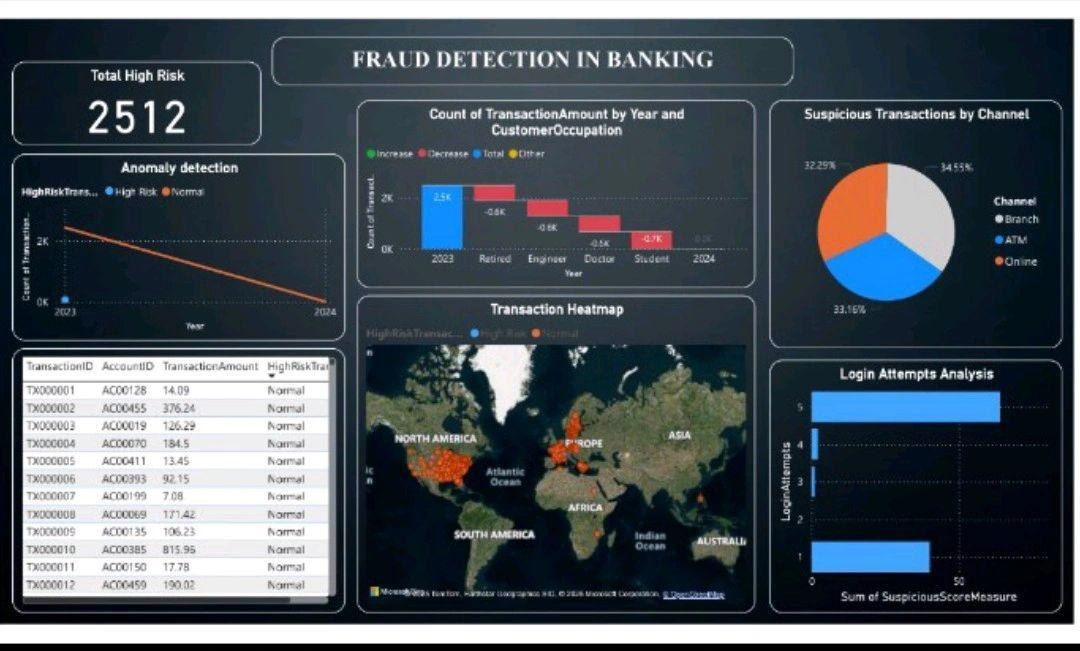
Build a classification model to identify potentially suspicious transactions using an appropriately anonymized dataset.
Skills: Classification, feature engineering, precision, recall.
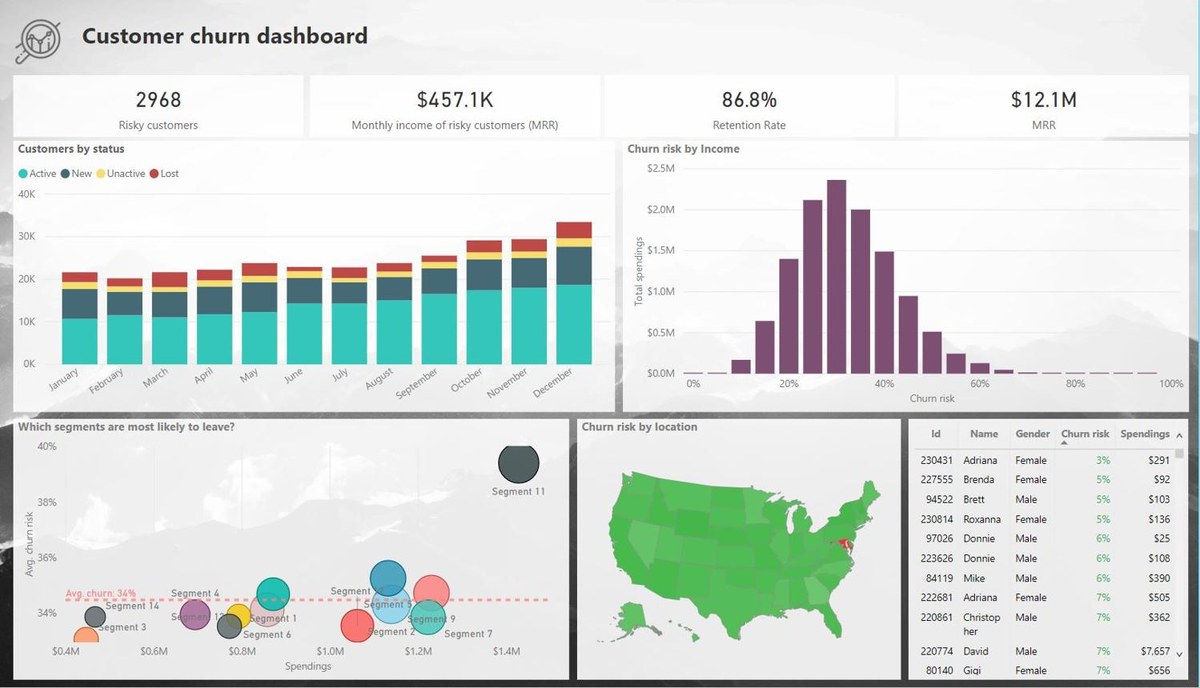
Identify customer characteristics associated with leaving a service and recommend strategies for customer retention.
Skills: Logistic regression, decision trees, model evaluation.
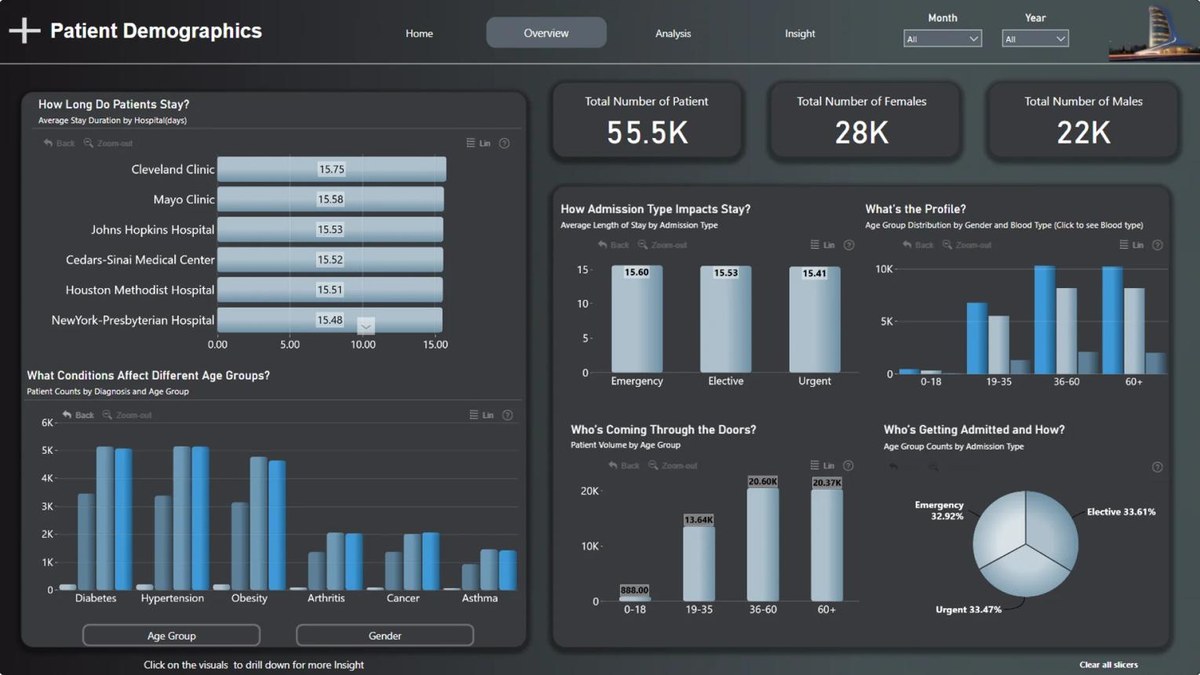
Explore anonymized healthcare datasets to understand trends, compare groups, and communicate statistical findings responsibly.
Skills: Statistics, data cleaning, visualization.
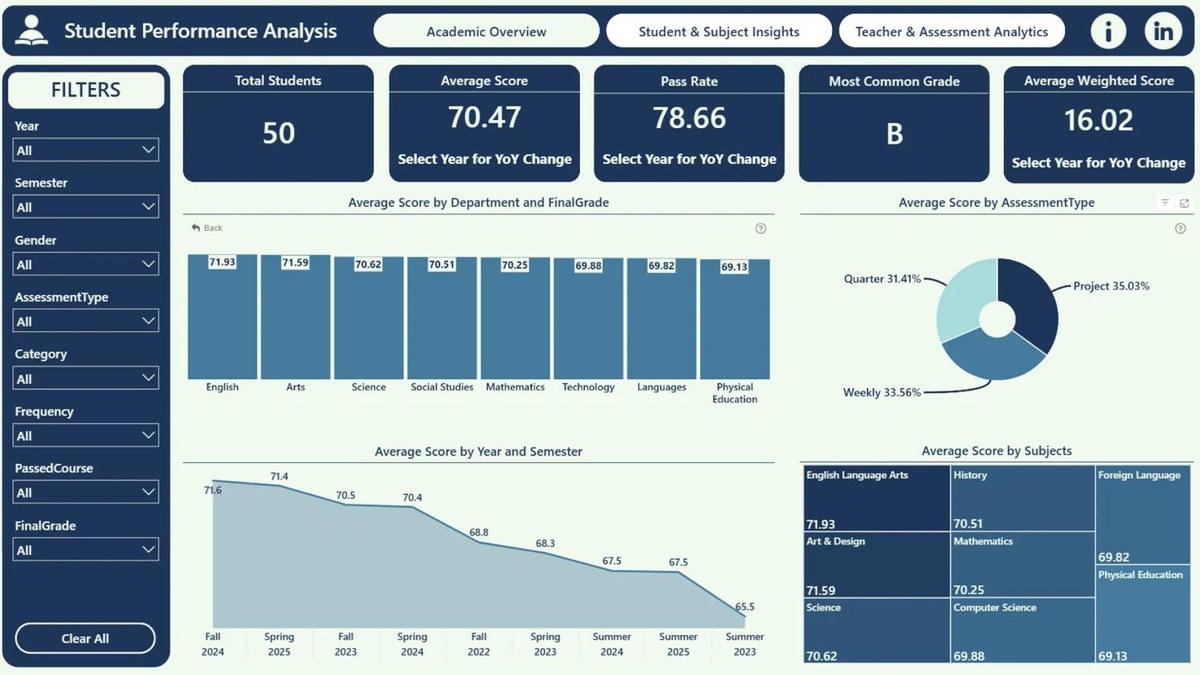
Analyze attendance, assessments, and academic performance to identify patterns and develop evidence-based improvement recommendations.
Skills: SQL, Python, Power BI, reporting.
Capstone experience: complete an end-to-end project, from defining the problem and preparing the dataset to training a model, evaluating results, and presenting business recommendations.
Develop practical skills to analyze datasets, identify patterns, build predictive models, and present evidence-based recommendations.
Organize datasets, investigate trends, and identify meaningful patterns.
Extract, clean, transform, and analyze data efficiently.
Use statistical reasoning to support reliable conclusions.
Develop clear charts, reports, and interactive dashboards.
Apply suitable machine learning algorithms to practical problems.
Understand errors, limitations, and the importance of validating predictions.
Explain technical results in clear business language.
Present practical projects that demonstrate applied skills.

Data science skills can support work in IT services, financial services, healthcare, retail, e-commerce, manufacturing, education, and consulting. Employers commonly seek combinations of Python, SQL, statistics, machine learning, visualization, and problem-solving skills.
Prepare reports, analyze business performance, and communicate trends using SQL, Python, and BI dashboards.
Explore datasets, develop statistical models, and assist with predictive analytics projects.
Build forecasts and analytical models to help organizations anticipate trends and plan decisions.
Develop and deploy machine learning systems; this path typically requires stronger software engineering and deployment skills.
Convert operational data into dashboards, KPIs, and recommendations for business teams.
Compare these planning ranges with current local opportunities. Pay varies by role, qualifications, experience and employer.
Build your future: Build a strong foundation in Python, SQL, statistics, and practical projects before specializing. A portfolio and the ability to explain business impact can strengthen applications.

Ecareerpluz's placement-support approach is designed to help learners prepare for opportunities in data analytics, business intelligence, and data science.
Build a professional resume that highlights technical skills, projects, tools, and practical achievements.
Practise Python, SQL, statistics, data analysis, machine-learning fundamentals, and project-based interview questions.
Develop confidence in explaining technical concepts, presenting project results, and answering interview questions.
Receive guidance on relevant job titles, application strategies, professional networking, and employer requirements.
Organize capstone and practical projects to demonstrate the ability to solve data-related problems.
Our goal is to help learners prepare for interviews and entry-level opportunities through practical training and structured career guidance.
Explore example data science and predictive analytics projects and learning journeys.

Learner
The practical exercises helped me understand how Python and SQL can be used to solve real data problems. Developing projects improved my confidence in presenting my skills.
Practice focus: Python, SQL, and project communication.

Learner
Working on data analysis and predictive modeling helped me connect classroom concepts with business applications. I now have projects to discuss during interviews.
Practice focus: Data analysis and predictive modeling.

Learner
Learning to clean datasets, create visualizations, and explain findings helped me approach analytical problems in a more structured way.
Practice focus: Data preparation, visualization, and communication.
Our learning approach combines technical foundations, guided exercises, and project-based application to help learners develop skills progressively.
Move from programming and statistics to data analysis, predictive modeling, and project development.
Apply concepts through coding exercises, analytical assignments, datasets, and guided labs.
Receive guidance on problem-solving, project design, model evaluation, and technical questions.
Track progress through assignments, quizzes, practical exercises, and project reviews.
Work with realistic datasets and business scenarios to understand how analytical techniques support decisions.
Learn, analyse, predict, and improve. Develop the confidence to turn data into meaningful outcomes.
Learn from Industry Experts and Experienced Professionals.




Data science combines programming, statistics, data analysis, and machine learning to extract useful insights. Predictive analytics uses historical data and suitable models to estimate future outcomes.
The program is intended for graduates, students, working professionals, aspiring data scientists, and business owners. Confirm any entry requirements with admissions.
Python fundamentals are included in the curriculum. Ask admissions whether the selected batch is suitable for complete beginners and what preparation is recommended.
The curriculum introduces probability, statistics, and analytical reasoning. Ask admissions about the mathematical prerequisites and depth for the selected course level.
Suggested tools include Python, SQL, Jupyter or Google Colab, Matplotlib, Seaborn, Power BI or Tableau, Scikit-learn, and Git. TensorFlow and PyTorch may depend on the approved syllabus.
The course duration is 120 hours. Contact admissions for batch dates and the detailed timetable.
These practice projects use realistic business scenarios. Confirm the project scope, datasets, and assessment arrangements for the current batch. Real business data requires appropriate permission and privacy safeguards.
Beginners can build foundational skills through structured learning and practice, but career readiness depends on prior experience, continued learning, project work, and employer requirements.
Possible pathways include data analyst, junior data scientist, predictive analytics analyst, machine-learning engineer, and business intelligence analyst. Roles have different experience and technical requirements.
The program describes career guidance, interview preparation, job-search support, and project-portfolio assistance.
Confirm the certificate issuer, completion requirements, assessment criteria, and terms with Ecareerpluz before enrolling. No third-party accreditation is implied.
These skills may support services such as reporting, dashboards, customer analytics, forecasting, and data preparation. Business success depends on client needs, experience, legal requirements, and other factors.
Course fee: INR 22,000 + 18% GST (INR 3,960). Total including GST: INR 25,960. Confirm exclusions, materials, assessments and payment options with admissions.
The course duration is 120 hours. Contact admissions for batch dates and the detailed timetable.
Confirm course duration, fees, upcoming batch, learning mode, and final curriculum with our team.
Request course details
Build smarter businesses with AI-powered workflows, intelligent chatbots, automated marketing, and business process automation.
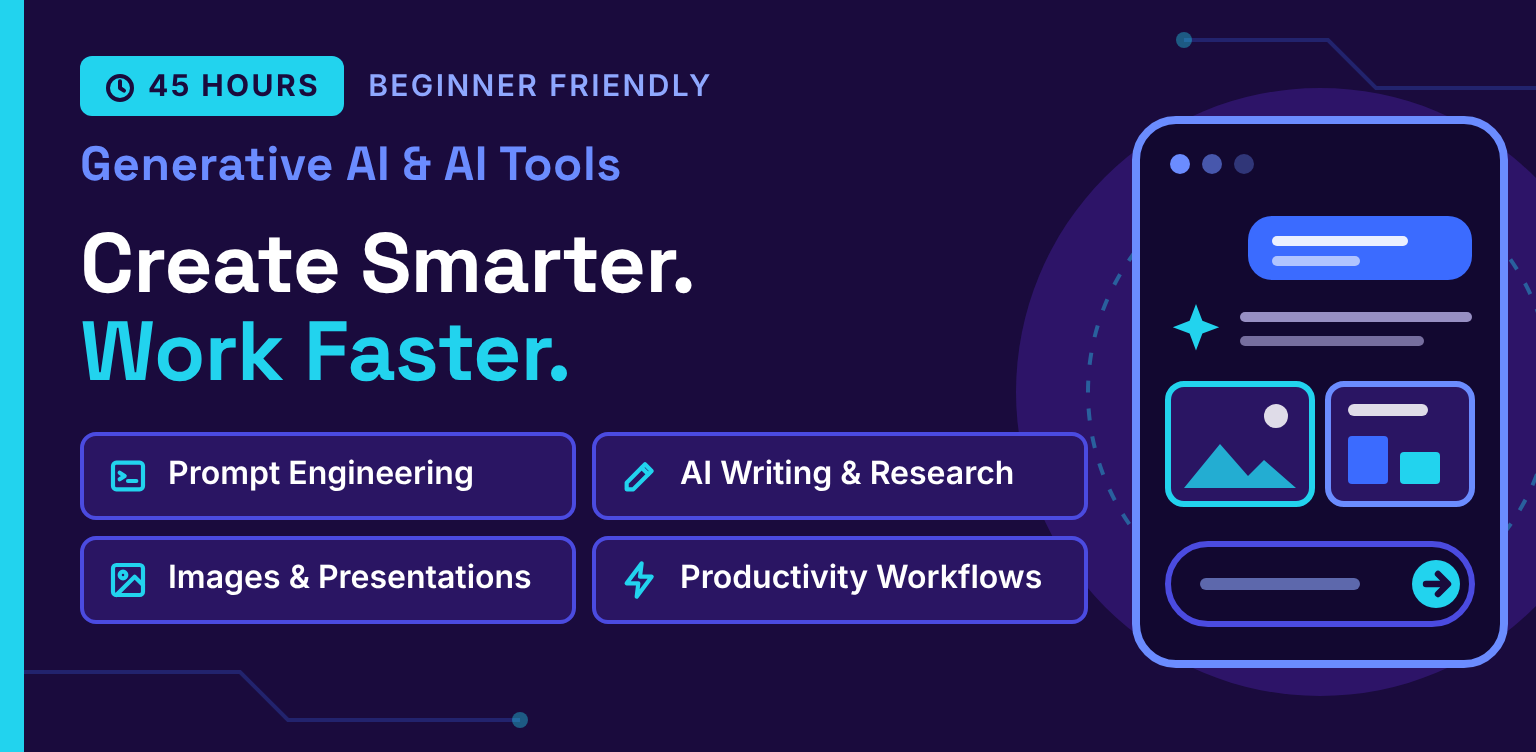
Prompt Engineering · AI Writing & Research · Images & Presentations · Productivity Workflows
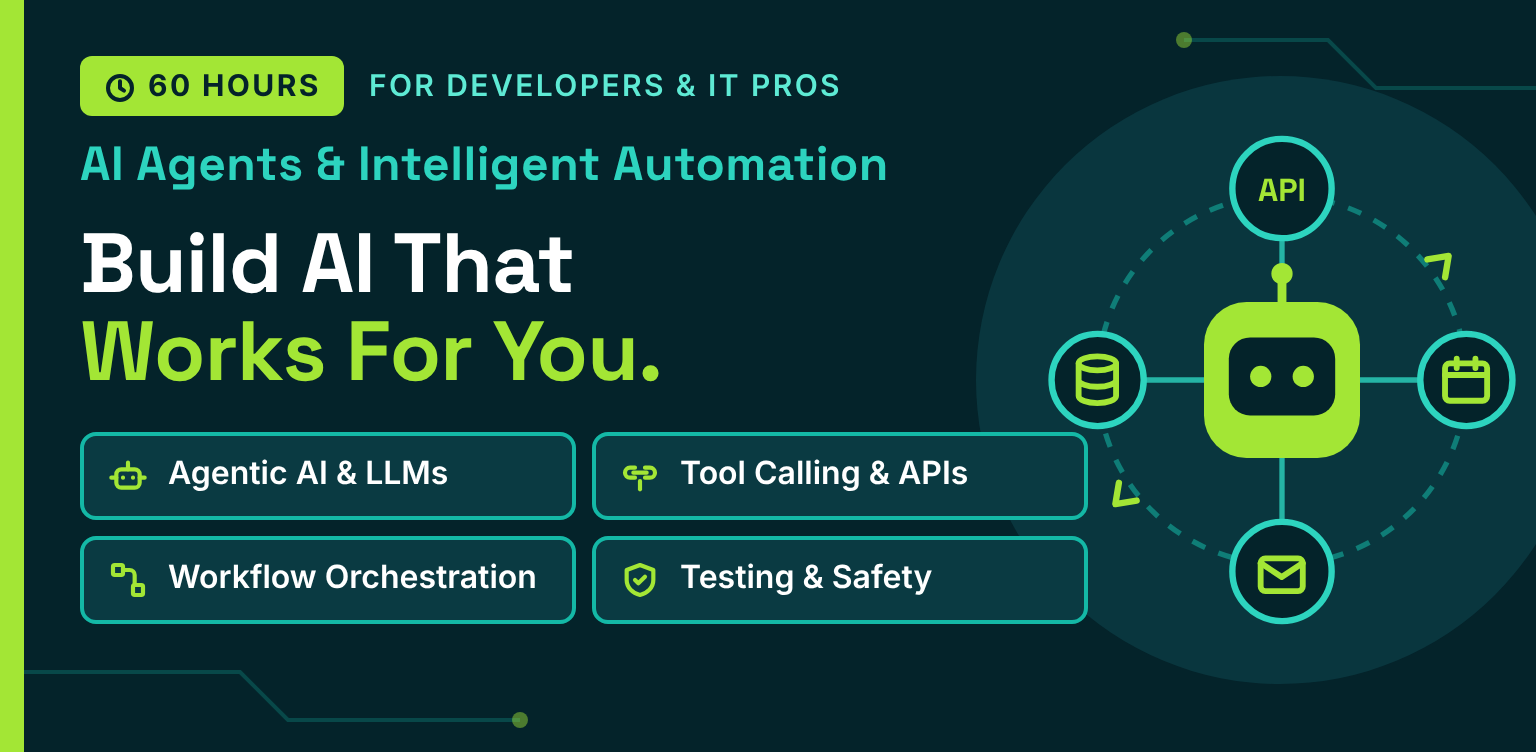
Discover how to build AI agents that can understand instructions, make decisions, use tools, retrieve information, and automate complex business workflows.
Explore skills, try a small project and find your learning direction.
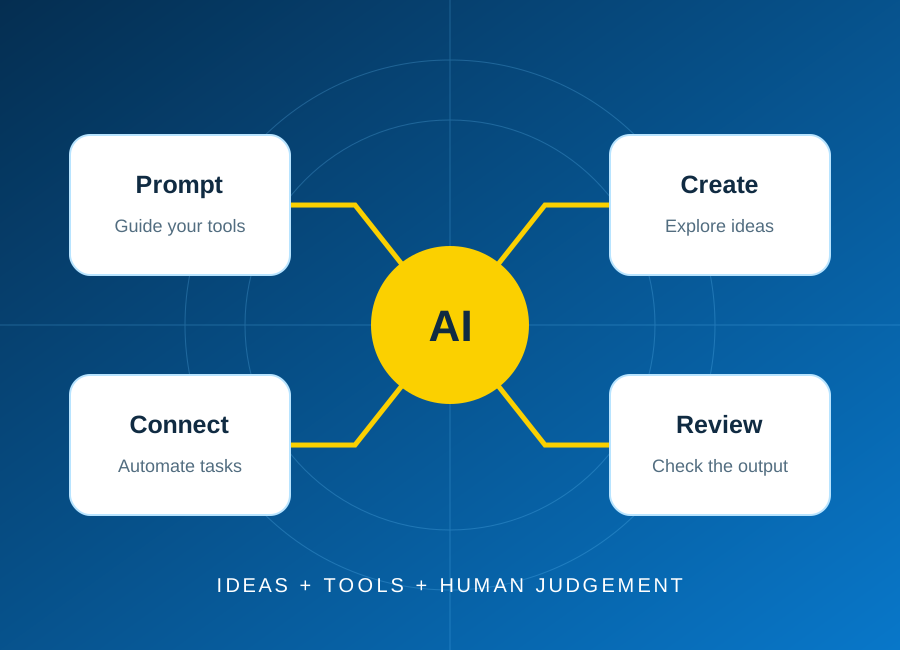
Start with one repeatable task, keep a person in control, and test the result before connecting real business data.
Read article: Plan your first AI automation project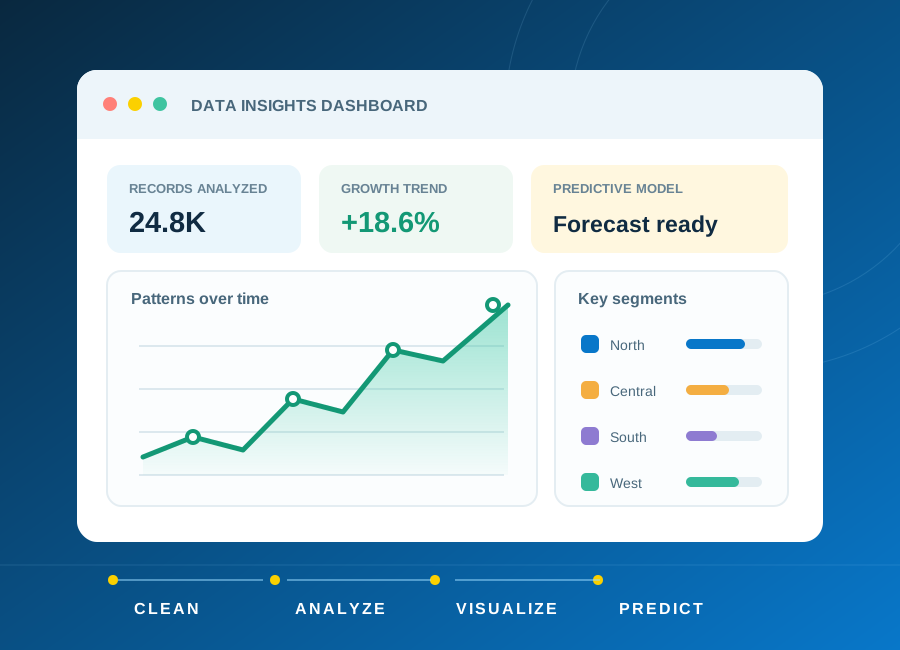
Learn how to frame a question, clean a small dataset and choose charts that explain rather than distract.
Read article: From raw data to a clear, useful dashboard
Turn a small idea into a working application with a clear data model, accessible forms and meaningful tests.
Read article: Build a first web application you can explain