Engineering and computer science students
Explore software delivery workflows and widely used DevOps tools.

Course fee: INR 19,000 + 18% GST (INR 3,420). Total including GST: INR 22,420.
Confirm exclusions, materials, assessments and payment options with admissions.
Build. Automate. Package. Deliver.
DevOps Fundamentals · Linux · Git & GitHub · Jenkins · CI/CD · Docker
A 90-hour learning path in DevOps workflows using Git, Jenkins, Docker, Linux, and CI/CD fundamentals.
Course duration: 90 hours. Contact admissions for batch dates, daily timings and delivery arrangements.
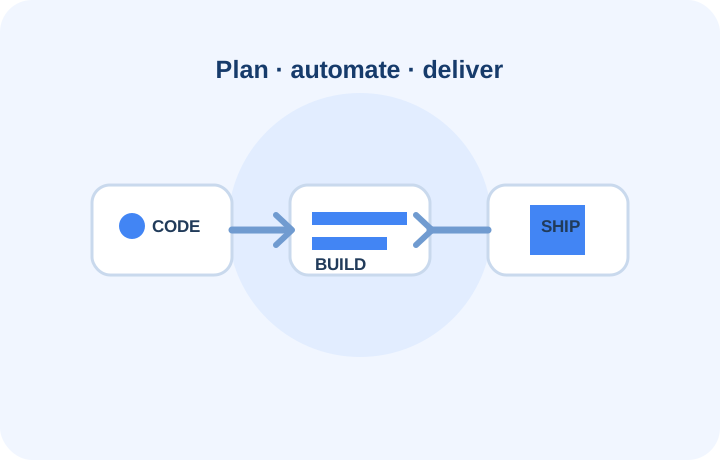
DevOps is a modern software delivery approach that brings development and IT operations together to build, test, release, and maintain applications more efficiently. Organisations use DevOps practices to automate repetitive tasks, improve collaboration, reduce deployment errors, and deliver software reliably.
The DevOps with Git, Jenkins & Docker course introduces learners to essential tools and workflows through guided demonstrations, practical lab exercises, and projects. Learners explore source-code management with Git, collaboration through GitHub, build and deployment automation with Jenkins, and portable application containers with Docker.
The 90-hour curriculum also introduces Linux fundamentals, CI/CD pipelines, troubleshooting, and deployment practices. Confirm current schedule, fees, training mode, system requirements, software access, and assessment arrangements with ECAREERPLUZ.
Explore software delivery workflows and widely used DevOps tools.
Build practical foundations in version control, pipelines, containers, and Linux.
Learn deployment automation and collaboration workflows.
Extend existing IT knowledge with build automation and container fundamentals.
Start learning technical fundamentals through a guided curriculum.
The 90-hour curriculum combines concepts, demonstrations, practical labs, and project work across seven modules.
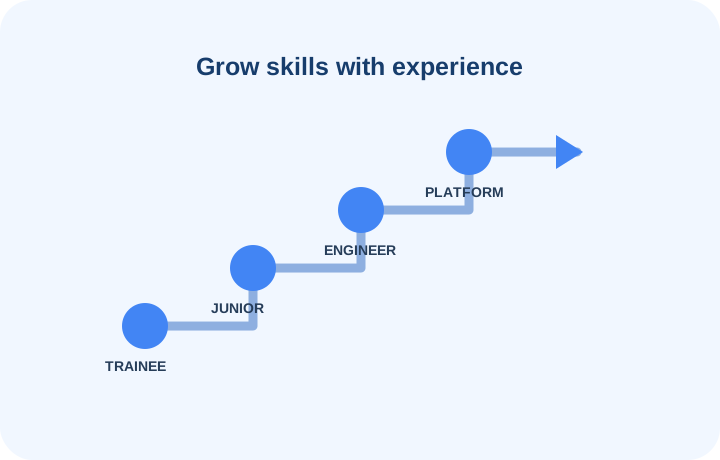
The module schedule totals 90 hours. Lab activities, software access, hosting, and project scope depend on the confirmed training environment. Production deployment and advanced security integrations are not implied.
Learn the essential tools used to manage source code, automate software delivery, and package applications for consistent execution.
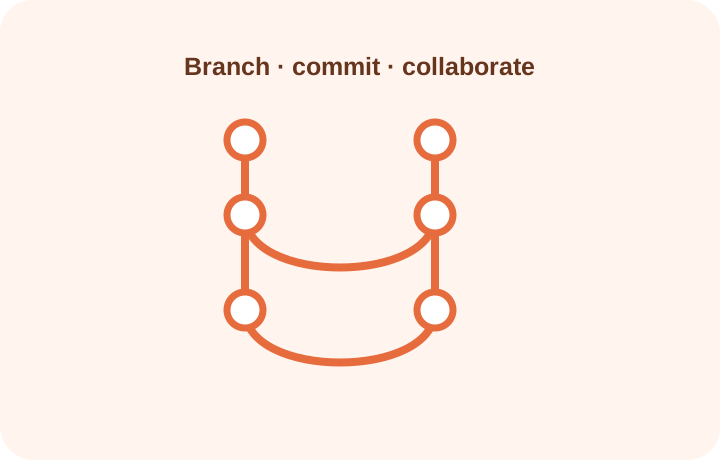
Track source-code changes, work with repositories and branches, resolve conflicts, and practise collaborative pull-request workflows.
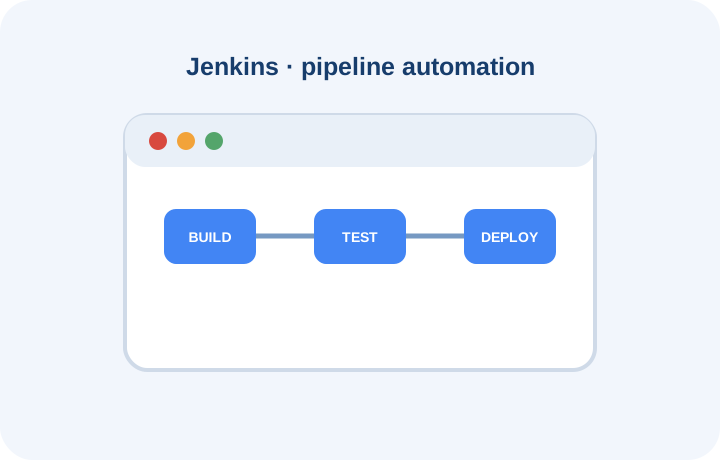
Explore jobs, plugins, repository connections, webhooks, Jenkinsfiles, pipeline stages, and basic build troubleshooting.
Understand images, containers, Dockerfiles, layers, volumes, networks, environment variables, logs, and Compose fundamentals.
Practise common commands, files, permissions, processes, package management, logs, and introductory shell workflows.
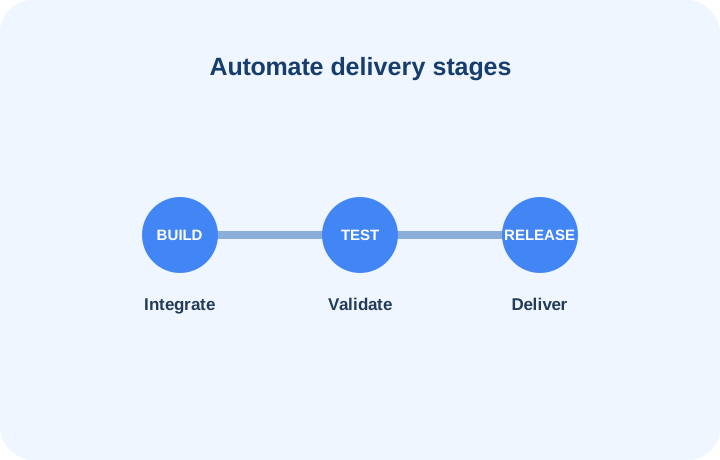
Understand how changes move through automated build, testing, packaging, and release stages.
Git, GitHub, Jenkins, Docker, and Linux are named as tools covered by the course outline. Specific tools, versions, plugins, hosting, and lab environments depend on the training setup and may change over time. Paid software, cloud hosting, external accounts, and subscriptions are not confirmed as included. Confirm requirements and any third-party charges with ECAREERPLUZ. Use sample applications and approved lab environments; do not place passwords, tokens, or other secrets in source repositories or pipeline files.
Build practical experience through guided exercises and a portfolio-oriented capstone using sample applications and the available lab environment.
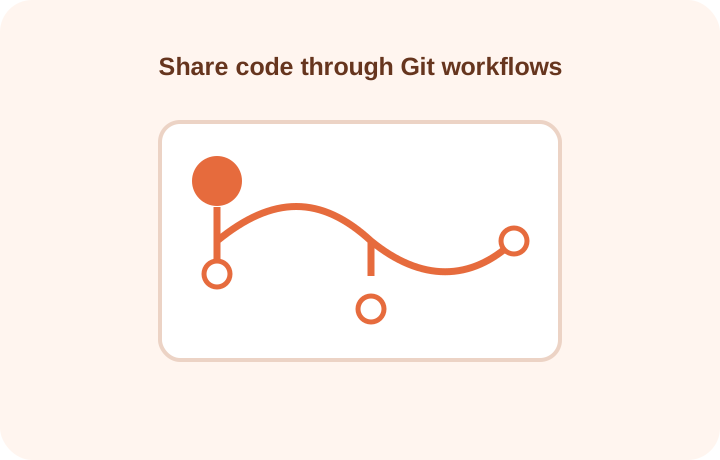
Create a Git repository, manage feature branches, resolve merge conflicts, and submit changes through GitHub pull requests.
Git, branching, collaboration, conflict resolution
Configure Jenkins to retrieve application code from a repository, run a sample build and test process, and report build status.
Jenkins, CI/CD, automated build and test concepts
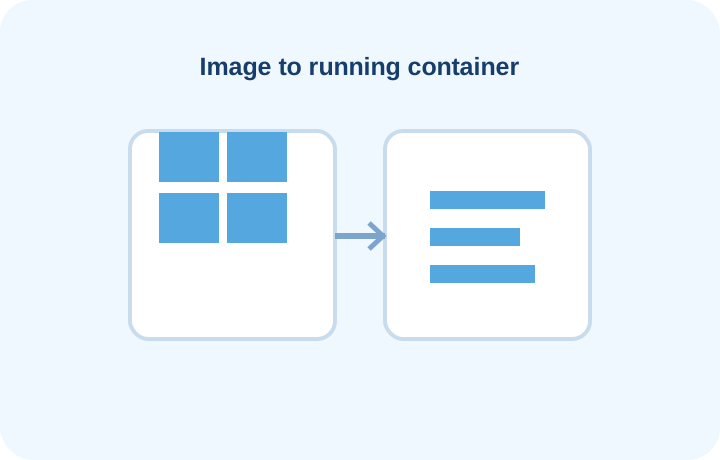
Write a Dockerfile, build an image, run a container, configure environment variables, and explore publishing an image to a registry.
Docker, image creation, container management
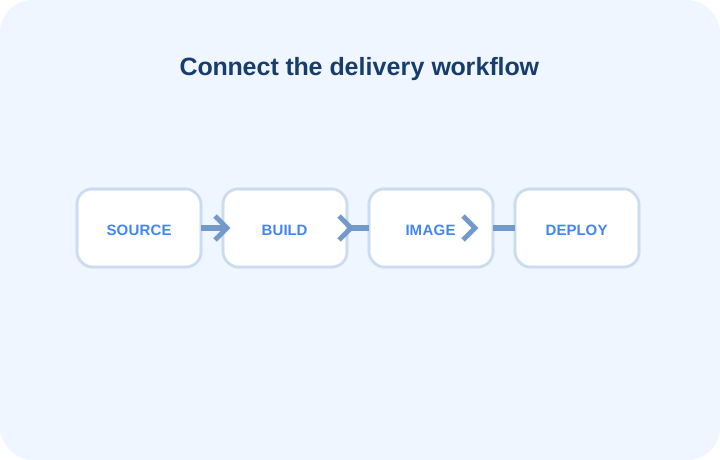
Integrate source control, Jenkins, and Docker to automate code retrieval, build and test stages, container image creation, and deployment in an approved lab environment.
Git, Jenkins, Docker, pipeline workflow
Suggested deliverables include a source-code repository, Jenkins pipeline configuration, Dockerfile, deployment instructions, screenshots of successful runs, and a project presentation. Production hosting or advanced security integration depends on the lab environment and course configuration.
By the end of this 90-hour program, learners should be able to:
This course provides foundational learning; role requirements vary, and further practice in cloud platforms, scripting, networking, security, and troubleshooting may be beneficial.
DevOps skills are relevant to software development companies, IT services firms, SaaS businesses, and teams improving software delivery. Career progression depends on practical experience, technical depth, and employer requirements.
Gain entry-level exposure to source control, build pipelines, containers, and deployment support.
Assist with CI/CD workflows, container management, release activities, and troubleshooting.
With further experience, develop and maintain automation pipelines, deployment environments, and operational workflows.
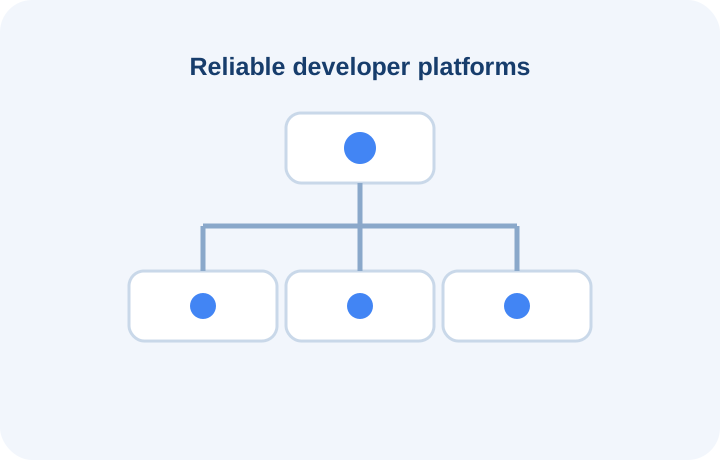
Potentially progress into platform engineering, infrastructure automation, reliability, and cloud operations with substantial experience.
Compare these planning ranges with current local opportunities. Pay varies by role, qualifications, experience and employer.
Build your future: Freelance. Production systems require appropriate experience, authorisation, security controls, and operational support.
Ask admissions about career preparation support for entry-level DevOps opportunities. Confirm currently available services, eligibility, and batch-specific arrangements with ECAREERPLUZ.
Present technical skills, training, and projects clearly and accurately.
Organise repositories, source code, and project documentation for review.
Practise Git, Jenkins, Docker, Linux, and CI/CD questions.
Improve technical communication and problem-solving explanations through practice.
Learn to explain pipeline architecture, container packaging, and deployment steps.
Understand job descriptions, application processes, and entry-level role expectations.
Relevant openings may be shared when available and appropriate.
Placement assistance is guidance. Outcomes depend on individual performance and employer requirements.
Discuss the issuing authority, assessment requirements and any separate provider exams with admissions.
Certificate eligibility, assessment requirements, and the issuing institution should be confirmed with ECAREERPLUZ before enrolment. Third-party or vendor certification is not automatically included.
Explore example cloud computing and DevOps projects and learning journeys.
Learner
A learner develops a technical portfolio by completing practical projects and documenting the workflow.
Practice focus:
Learner
A learner practises connecting source control, CI/CD concepts, and containers in a sample application workflow.
Practice focus: Develop practical skills through guided exercises and project work.
Learner
Project exercises help a learner explain technical steps and delivery workflows in interview practice.
Practice focus: Example only; no employment or interview outcome is implied.
The learning approach combines structured lessons, guided labs, project milestones, and periodic assessment.
Review attendance, syllabus completion, lab submissions, assessments, and project milestones.
Practise Git commands, Jenkins pipeline execution, Docker image creation, and container troubleshooting.
Use quizzes, practical assignments, code reviews, and project demonstrations to identify learning gaps.
Use learner feedback and assessment results to inform targeted support and course delivery.
Document the project and explain the technical workflow clearly.
| Area | Example metrics |
|---|---|
| Version control | Review repository workflow, branches, commits, and conflict-resolution exercises. |
| Pipeline automation | Assess a sample Jenkins build and pipeline execution in the approved learning environment. |
| Container workflow | Review image creation, container execution, logs, and project documentation. |
Ask admissions about available course-completion records, learner feedback and career support.
Learn from Industry Experts and Experienced Professionals.




DevOps combines practices and cultural principles that help development and operations teams collaborate, automate software delivery, and improve application reliability.
The course duration is 90 hours. Contact admissions for batch dates and the detailed timetable.
The course is intended for engineering and computer science students, IT graduates, developers, system administrators, technical support professionals, and beginners interested in software automation.
Prior professional programming experience is not compulsory. Basic programming knowledge is helpful, and familiarity with simple application code can support learning.
The curriculum includes repository workflows, Jenkins pipeline configuration, Docker images and containers, and an integrated project, subject to available lab access.
Continuous Integration automates integrating and validating code changes. Continuous Delivery prepares software for release, while Continuous Deployment automatically releases qualifying changes to production.
The course can help freshers build foundational skills for internships, trainee positions, and suitable junior roles. Requirements vary; further practice in cloud platforms, scripting, networking, and troubleshooting may help.
Confirm certificate eligibility, assessment requirements, and issuing institution with ECAREERPLUZ before enrolment. Vendor certification is not automatically included.
Ask our team about available career guidance, portfolio preparation and interview practice. Employers make their own selection decisions based on skills, qualifications and vacancies.
This course focuses on Git, Jenkins, Docker, Linux fundamentals, and CI/CD workflows. AWS, Azure, Kubernetes, and infrastructure-as-code tools are not listed in this curriculum.
Suggested projects cover collaborative code management, Jenkins build automation, a Dockerized application, and an end-to-end CI/CD pipeline for a sample application.
Contact ECAREERPLUZ to confirm the next batch, fees, class schedule, delivery mode, system requirements, software access, and certificate details.
Course fee: INR 19,000 + 18% GST (INR 3,420). Total including GST: INR 22,420. Confirm exclusions, materials, assessments and payment options with admissions.
Confirm course duration, fees, upcoming batch, learning mode, and final curriculum with our team.
Request course details
AWS Cloud Concepts · Core Services · Security Fundamentals · Pricing & Cost Awareness
AWS Architecture · Networking · Security · Reliability · Automation
Cloud Concepts · Core Azure Services · Networking · Security · Pricing & Resource Management
Explore skills, try a small project and find your learning direction.
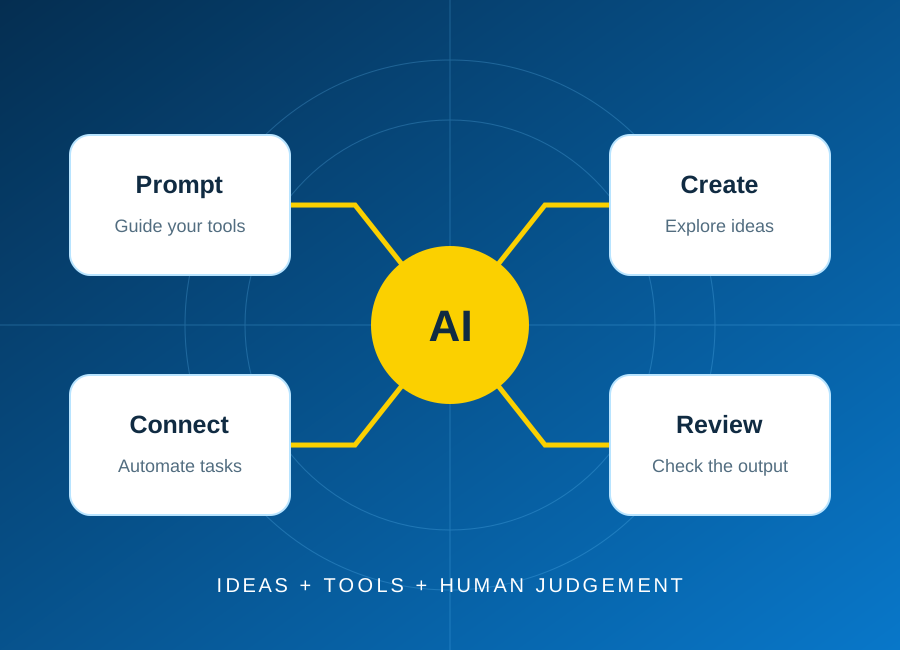
Start with one repeatable task, keep a person in control, and test the result before connecting real business data.
Read article: Plan your first AI automation project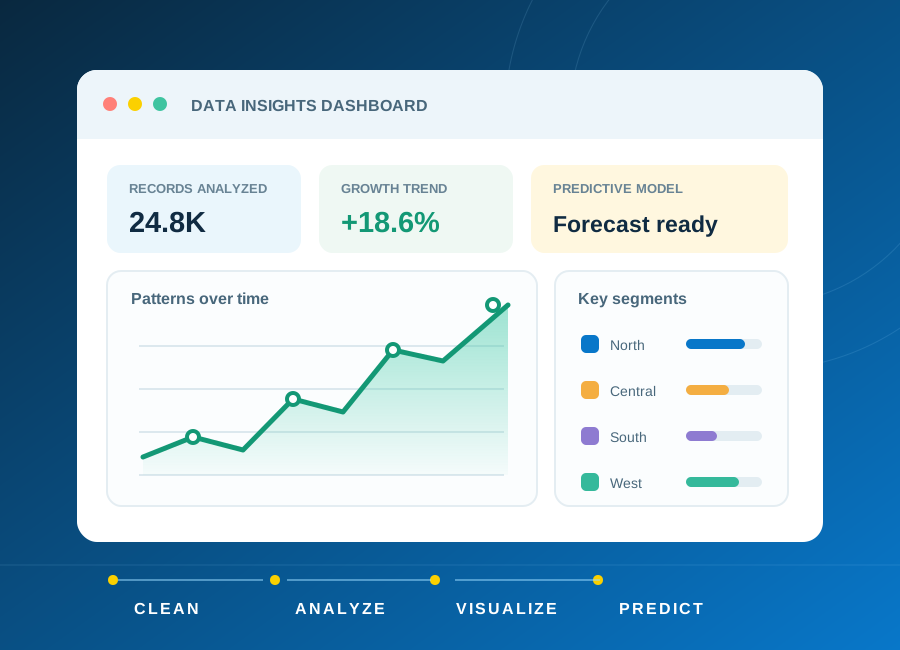
Learn how to frame a question, clean a small dataset and choose charts that explain rather than distract.
Read article: From raw data to a clear, useful dashboard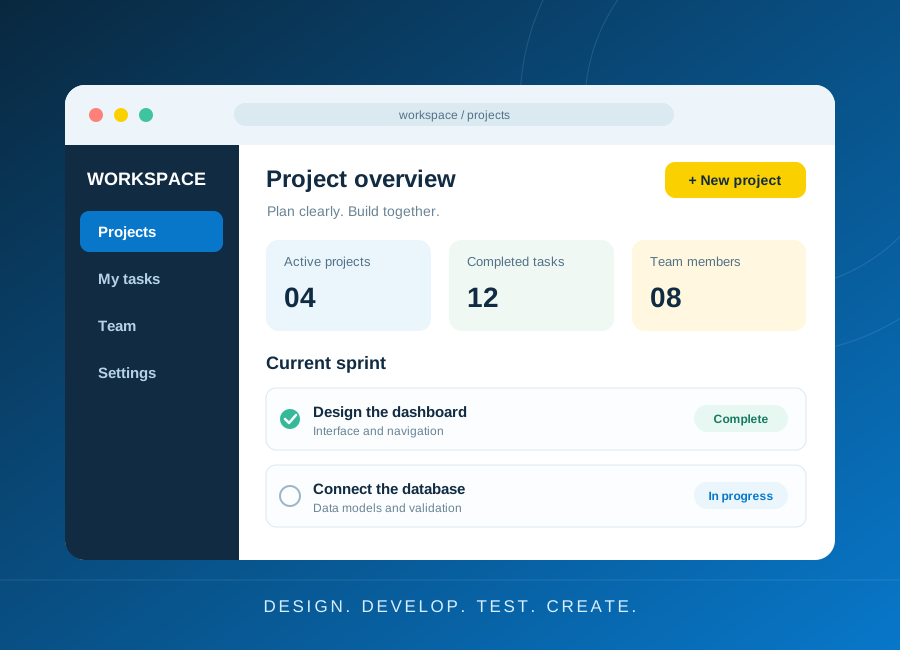
Turn a small idea into a working application with a clear data model, accessible forms and meaningful tests.
Read article: Build a first web application you can explain