LLM Fundamentals
Understand language models, their capabilities, context, and limitations.

Course fee: INR 25,000 + 18% GST (INR 4,500). Total including GST: INR 29,500.
Confirm exclusions, materials, assessments and payment options with admissions.
Build Intelligent AI Applications with LLMs & RAG
Learn how to transform language models into useful AI applications that retrieve relevant information, understand context, and generate grounded responses.
Learn. Build. Demonstrate.
Course duration: 60 hours. Contact admissions for batch dates, daily timings and delivery arrangements.
Understand language models, their capabilities, context, and limitations.
Connect AI responses with relevant documents and knowledge sources.
Build and test practical AI application workflows.
Develop demonstrable project skills.

Learn how Large Language Models (LLMs) work and how to build AI applications that retrieve relevant information, understand context, and generate useful responses. This program introduces practical development of AI chatbots, document question-answering systems, knowledge assistants, and intelligent business applications using Retrieval-Augmented Generation (RAG).
At E Careerpluz, progress from understanding LLM fundamentals to developing AI solutions using Python, embeddings, vector databases, retrieval pipelines, and modern AI frameworks.

Extend existing Python skills into language-model application development.
Explore LLM APIs, retrieval pipelines, and AI application architecture.
Apply data preparation and analysis skills to document retrieval and evaluation.
Build a foundation in LLMs, embeddings, and responsible AI application design.
Develop practical skills through a guided curriculum and portfolio projects.
A modular learning pathway progresses from core concepts to retrieval pipelines, application development, evaluation, and deployment.



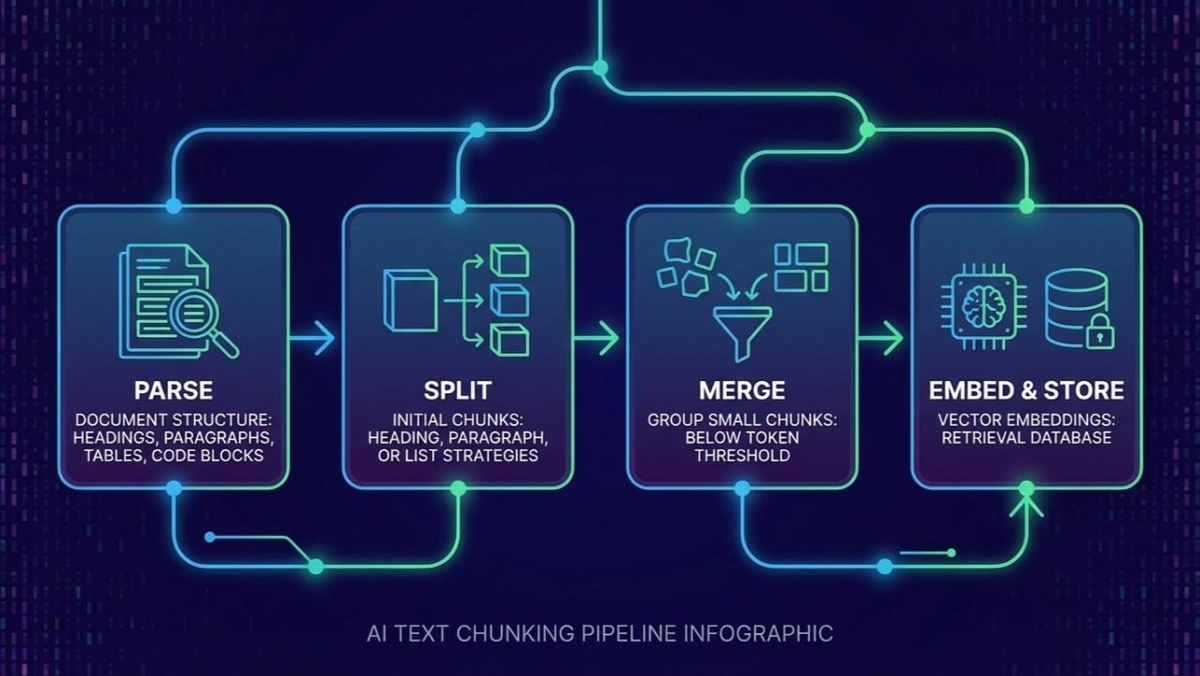


Final module coverage, depth, delivery format, and course duration depend on the selected batch. Confirm the approved syllabus with ECAREERPLUZ before enrolling.
Explore tools used to develop, connect, retrieve, evaluate, and deploy LLM-powered applications. Exact technology coverage depends on the final syllabus.
Build LLM applications, process documents, integrate APIs, and create RAG pipelines.
Applications: scripting, data processing, and API integration.

Integrate supported language models into chatbots, document assistants, structured-output workflows, and AI applications.
Applications: text generation, embeddings, and tool calling.
Build LLM workflows, connect models to retrieval systems, and integrate external tools and data sources.
Explore document ingestion, indexing, retrieval, and knowledge-grounded AI application patterns.

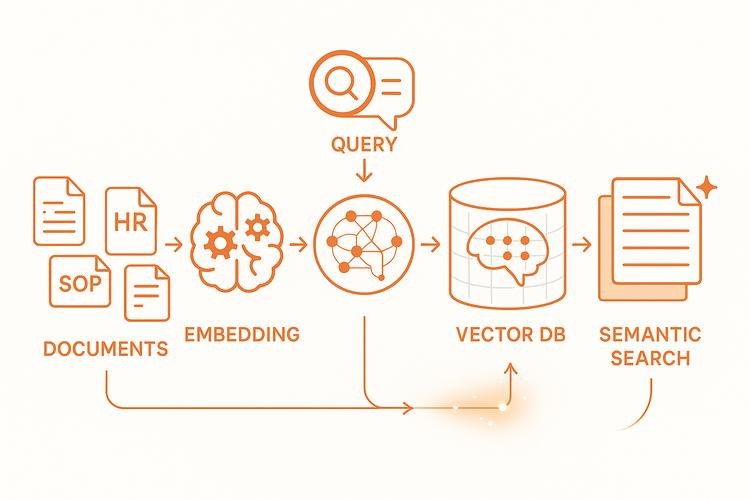
Store and retrieve vector embeddings for semantic search and document-based question answering.
Explore efficient similarity search over vector embeddings for retrieval applications.

Discover pretrained language models, tokenizers, embedding models, and open-source AI resources.
Turn Python code into interactive AI chat interfaces and document-query applications.
Expose AI and RAG functionality through APIs that can connect with websites, dashboards, and software.

Explore relational data with vector similarity search.
Learn application packaging, version control, and collaboration fundamentals.

Experiment with models, explore data, and practise coding in interactive notebooks.
Discuss tool access and any separate provider accounts with admissions. Explore technologies used in LLM and RAG development. Confirm which tools and training environments are available for your batch. Confirm software access, subscriptions, model-provider terms, usage limits, and any additional charges with admissions. No certification or vendor partnership is implied; product names and trademarks belong to their respective owners.
Build projects that demonstrate how LLMs can retrieve information, answer questions, and assist users with practical tasks.
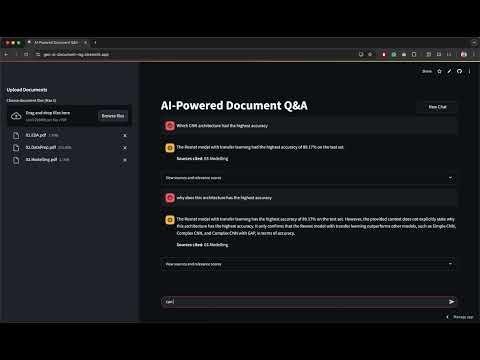
Upload PDFs, notes, manuals, or policy documents and ask questions in natural language.
Skills: Document processing, embeddings, retrieval, answer generation.

Create a learning assistant that answers student questions using approved course materials and provides source references.
Skills: RAG pipelines, source citations, conversational interfaces.
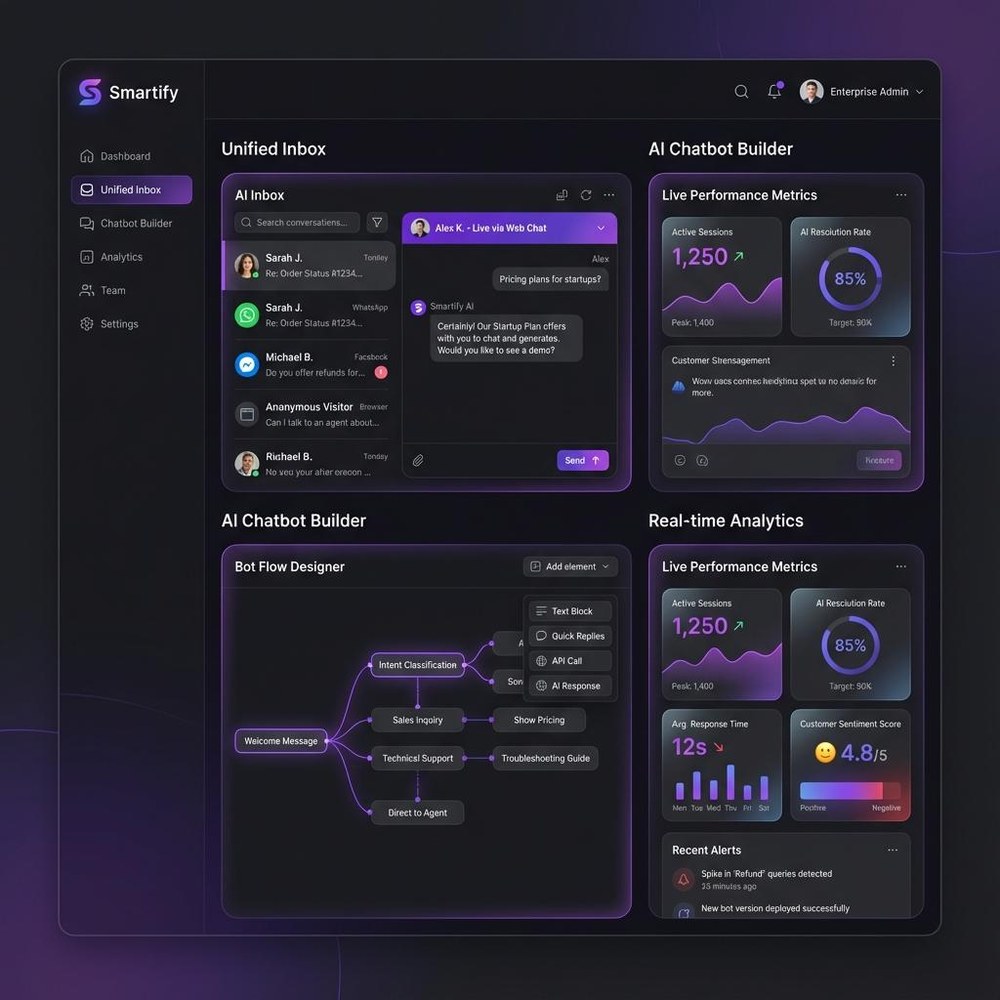
Develop a support assistant that retrieves answers from FAQs, product documentation, and service guidelines.
Skills: Knowledge retrieval, prompt design, API integration.
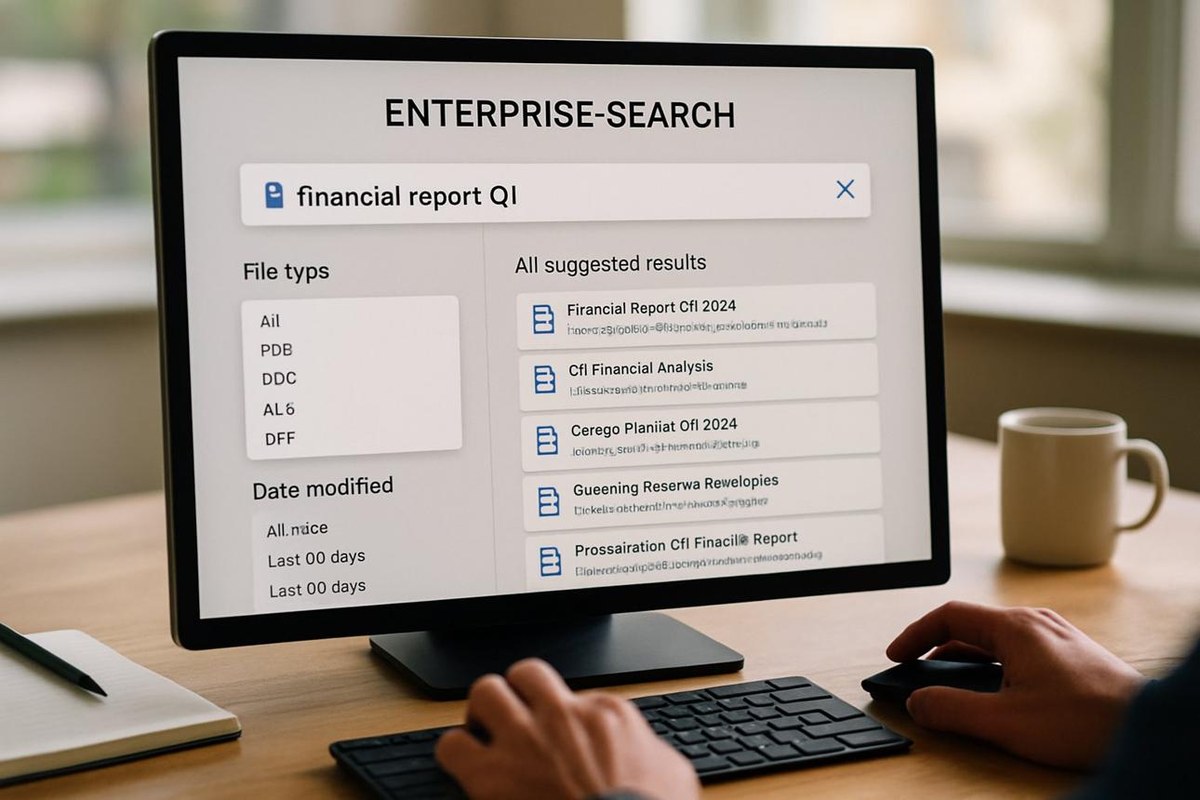
Build a searchable knowledge assistant for company documents, internal procedures, and operational information.
Skills: Metadata filtering, semantic search, access-control concepts.

Combine document ingestion, retrieval, a language model, an interactive interface, evaluation, and deployment into one complete project.
Skills: System design, testing, optimization, deployment.
Project outcome: build a practical portfolio that demonstrates the ability to design, implement, test, and explain LLM and RAG solutions.
By the end of the program, learners should be able to:
Learn through guided instruction, practical coding, structured assignments, and project demonstrations that connect concepts with application development.
LLMs and RAG are used across industries for intelligent search, document analysis, customer support automation, and knowledge management. This program can help learners build relevant skills for entry-level AI application development; specialized engineering roles may require additional experience.

Develop AI-powered applications, integrate model APIs, and build conversational interfaces.

Develop retrieval pipelines, knowledge assistants, semantic search systems, and LLM integrations.

Build backend services, integrate AI APIs, and connect AI systems to business applications.

Identify business use cases and help organizations adopt practical AI solutions.
Compare these planning ranges with current local opportunities. Pay varies by role, qualifications, experience and employer.
Build your future: Learn to solve business problems with AI, not just use AI tools.

E CAREERPLUZ supports learners in preparing for opportunities in AI application development through career guidance and project-based learning.
Develop a resume that highlights Python, LLM, and RAG skills and organize projects for a GitHub portfolio.
Practise Python programming, AI fundamentals, and project-based technical questions.
Learn to explain project architecture, retrieval choices, evaluation, and design decisions.
Explore relevant roles, job-search approaches, and employer requirements.
Practise communicating technical concepts and discussing practical AI projects.
Actual opportunities depend on learner performance, eligibility, and employer requirements. Confirm current support services with E CAREERPLUZ.
Explore example LLMs and RAG application development projects and learning journeys.

Example project showcase
A learner builds a document question-answering application that retrieves information from uploaded study materials and generates source-grounded responses.
Practice focus: Python, embeddings, RAG, and source citations.

Example project showcase
A learner creates a support chatbot that searches FAQs and product documents to provide relevant answers to common customer queries.
Practice focus: Prompt engineering, retrieval, APIs, and chatbot development.

Example project showcase
A learner develops and presents a complete RAG workflow, including document processing, retrieval, answer evaluation, and a user-friendly interface.
Practice focus: Application architecture, testing, and deployment fundamentals.
Our learning approach combines guided instruction, coding exercises, structured assessments, and project reviews to support practical skills in LLM and RAG application development.
Progress from foundational concepts to retrieval pipelines, application development, and deployment.
Reinforce concepts through guided coding exercises, assignments, and practical problem-solving.
Use quizzes, coding tasks, assignment reviews, and project milestones to identify learning gaps.
Consider data privacy, source grounding, response quality, and safe application design.
Our learning objective is to help learners move from understanding AI concepts to building useful, testable, and maintainable AI applications.
Learn from Industry Experts and Experienced Professionals.




A Large Language Model is an AI model trained to understand and generate language. It can support tasks such as summarization, question answering, and conversational applications, but its outputs can be incorrect and should be evaluated.
RAG combines information retrieval with language-model generation. An application retrieves relevant content from an approved knowledge source and supplies that context to the model to help ground its response.
RAG is one approach to connecting a language model with selected documents or knowledge sources. It can improve relevance and traceability. Evaluate retrieval and generated answers for accuracy.
Basic Python programming is recommended for the practical application modules. Beginners can ask admissions about a Python foundation module and preparation options.
Introductory machine-learning knowledge is helpful but the required level depends on the approved batch curriculum. Confirm prerequisites with admissions.
These practice projects include document question answering, an educational knowledge assistant, customer-support retrieval, a business knowledge search engine, and an end-to-end RAG application.
Suggested tools include Python, language-model APIs, LangChain, LlamaIndex, Chroma, FAISS, Hugging Face, Streamlit, FastAPI, PostgreSQL with pgvector, Docker, Git, and Jupyter or Colab. Final coverage depends on the approved syllabus.
The course duration is 60 hours. Contact admissions for batch dates and the detailed timetable.
Confirm the certificate issuer, attendance requirements, assessment criteria, and completion terms with E CAREERPLUZ before enrolling. No vendor certification or third-party accreditation is implied.
Ask about available support, including resume and portfolio guidance, interview practice, career guidance, and project presentation. Confirm current services with the institute.
These skills may support services such as document assistants, chatbots, internal search, and AI integrations. Commercial use depends on client needs, privacy and security requirements, provider terms, and your experience.
Use the enquiry form or contact E CAREERPLUZ to confirm the final syllabus, prerequisites, duration, fees, learning format, and upcoming batch before deciding.
Course fee: INR 25,000 + 18% GST (INR 4,500). Total including GST: INR 29,500. Confirm exclusions, materials, assessments and payment options with admissions.
The course duration is 60 hours. Contact admissions for batch dates and the detailed timetable.
Confirm course duration, fees, upcoming batch, learning mode, and final curriculum with our team.
Request course details
Build smarter businesses with AI-powered workflows, intelligent chatbots, automated marketing, and business process automation.
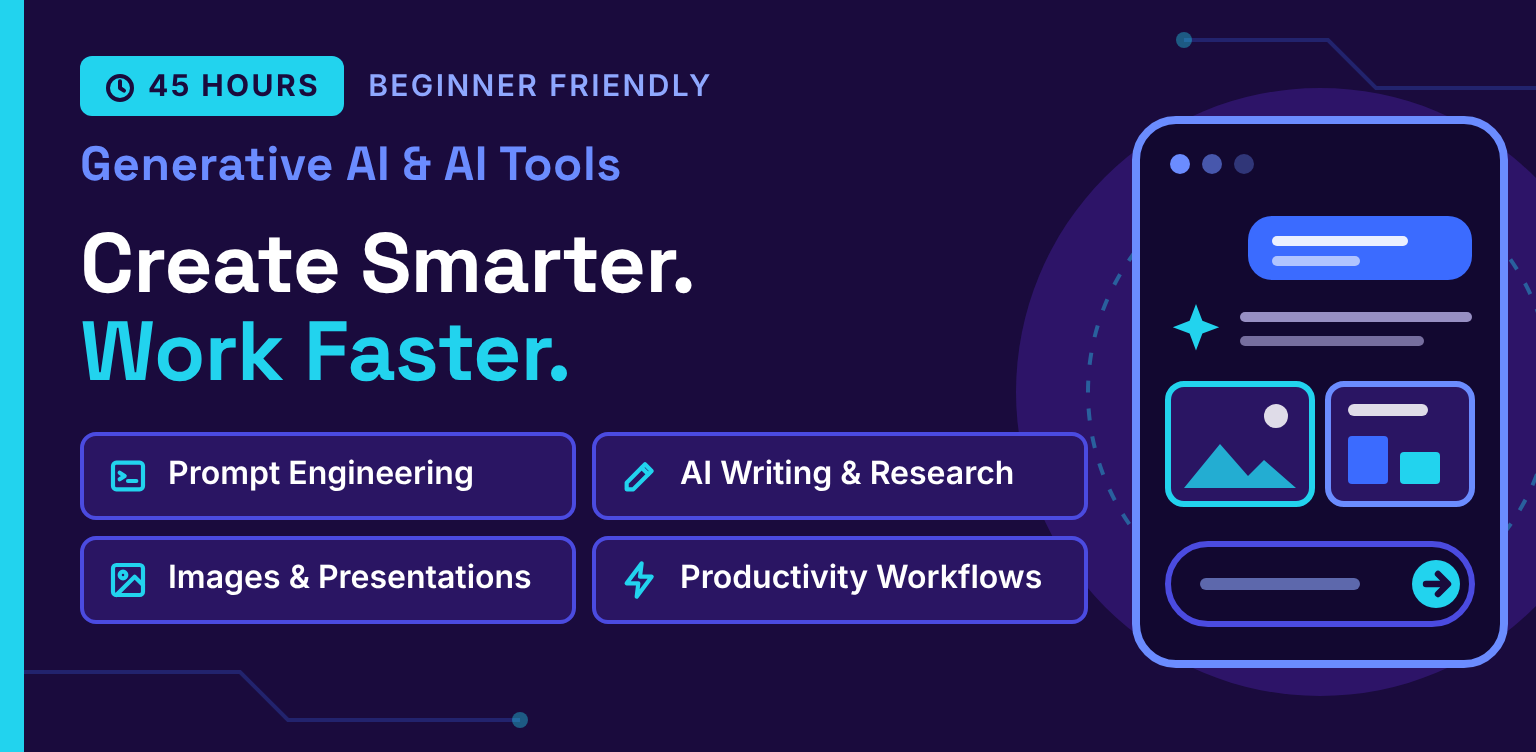
Prompt Engineering · AI Writing & Research · Images & Presentations · Productivity Workflows
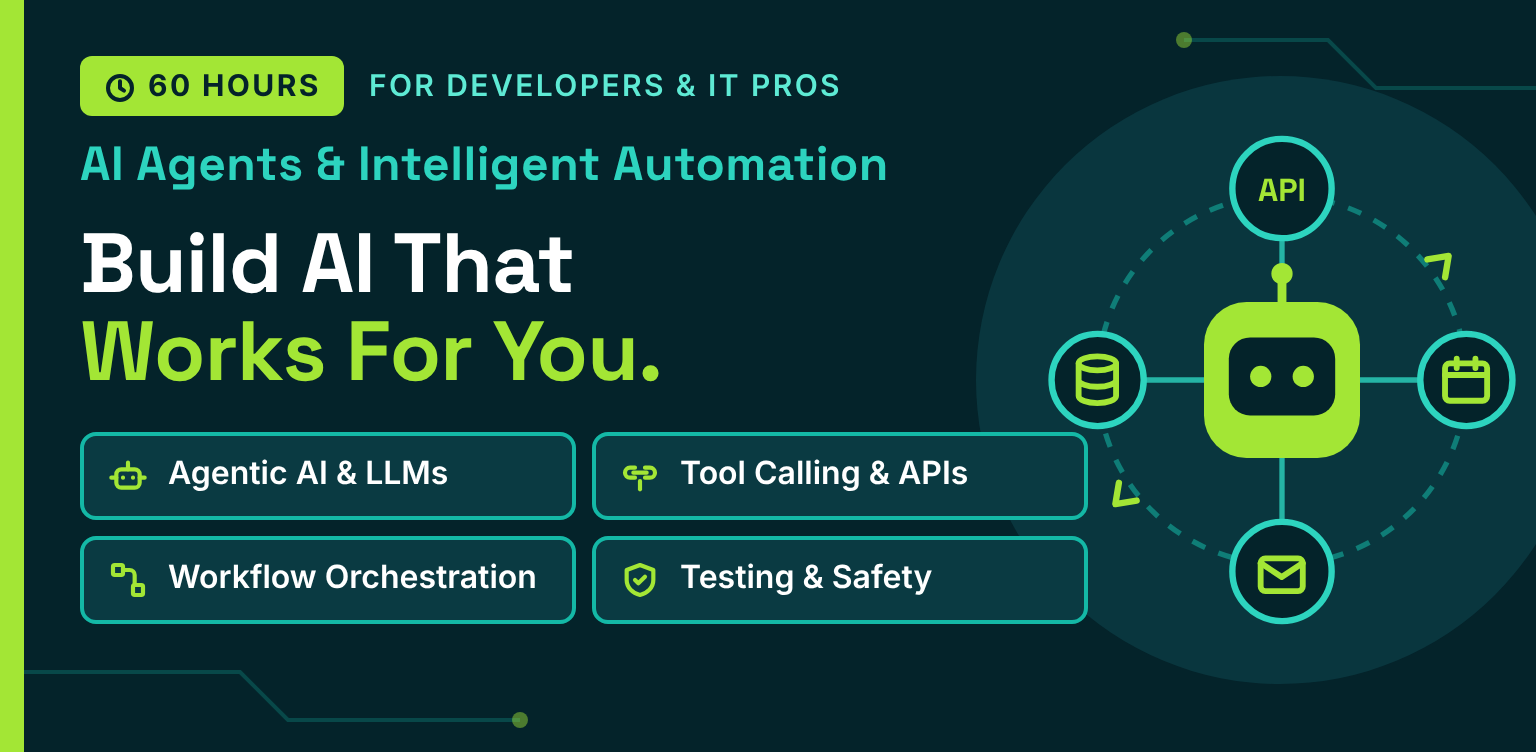
Discover how to build AI agents that can understand instructions, make decisions, use tools, retrieve information, and automate complex business workflows.
Explore skills, try a small project and find your learning direction.
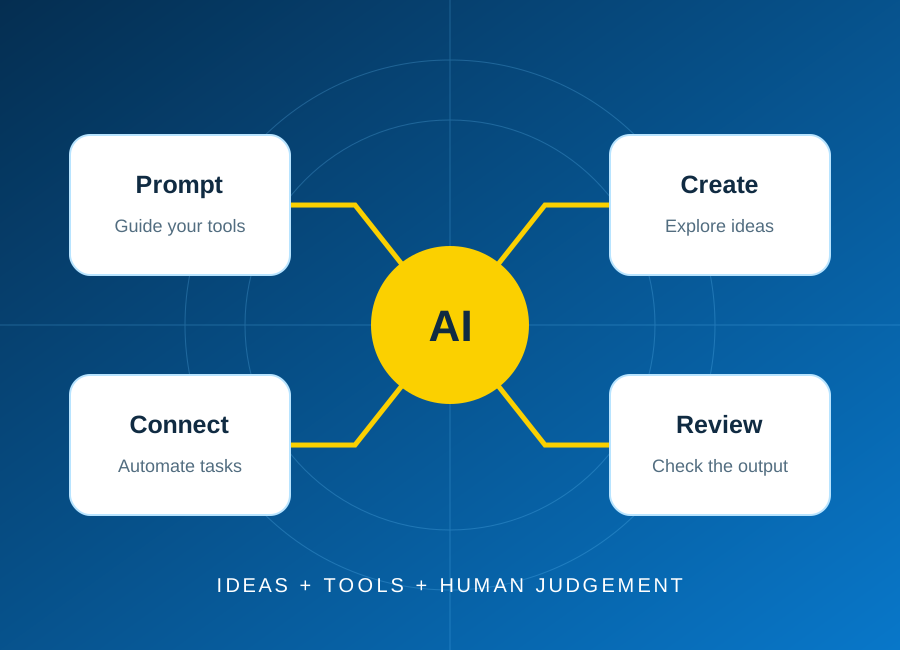
Start with one repeatable task, keep a person in control, and test the result before connecting real business data.
Read article: Plan your first AI automation project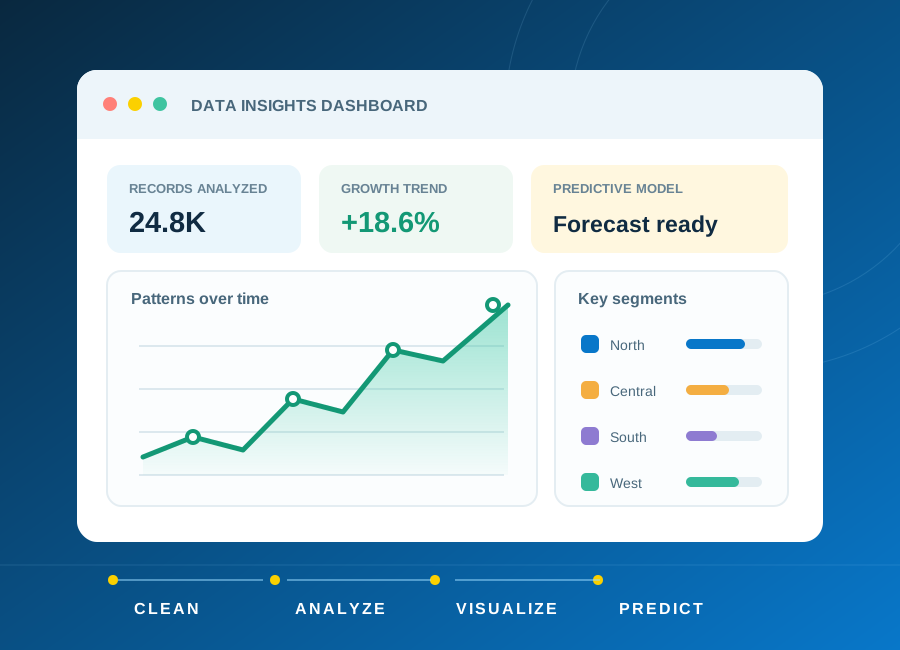
Learn how to frame a question, clean a small dataset and choose charts that explain rather than distract.
Read article: From raw data to a clear, useful dashboard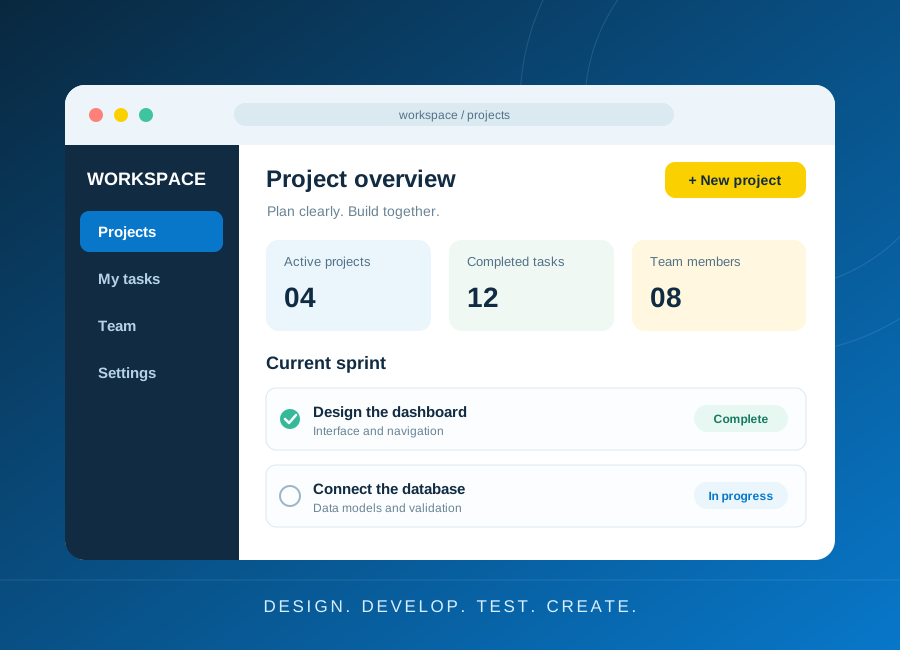
Turn a small idea into a working application with a clear data model, accessible forms and meaningful tests.
Read article: Build a first web application you can explain