PROJECT 1
Montessori activity demonstration
Prepare and present a practical life or sensorial activity, explaining the materials, learning objective, demonstration sequence, and clean-up routine.
YOUR NEXT LEARNING DIRECTION 01
Course fee: INR 15,000 + 18% GST (INR 2,700). Total including GST: INR 17,700.
Confirm exclusions, materials, assessments and payment options with admissions.
Explore Montessori teaching and early childhood education.
Build a foundation in Montessori teaching, child development and practical early childhood education. Review the proposed course plan and confirm delivery details with our team.
Course duration: 120 hours. Contact admissions for batch dates, daily timings and delivery arrangements.
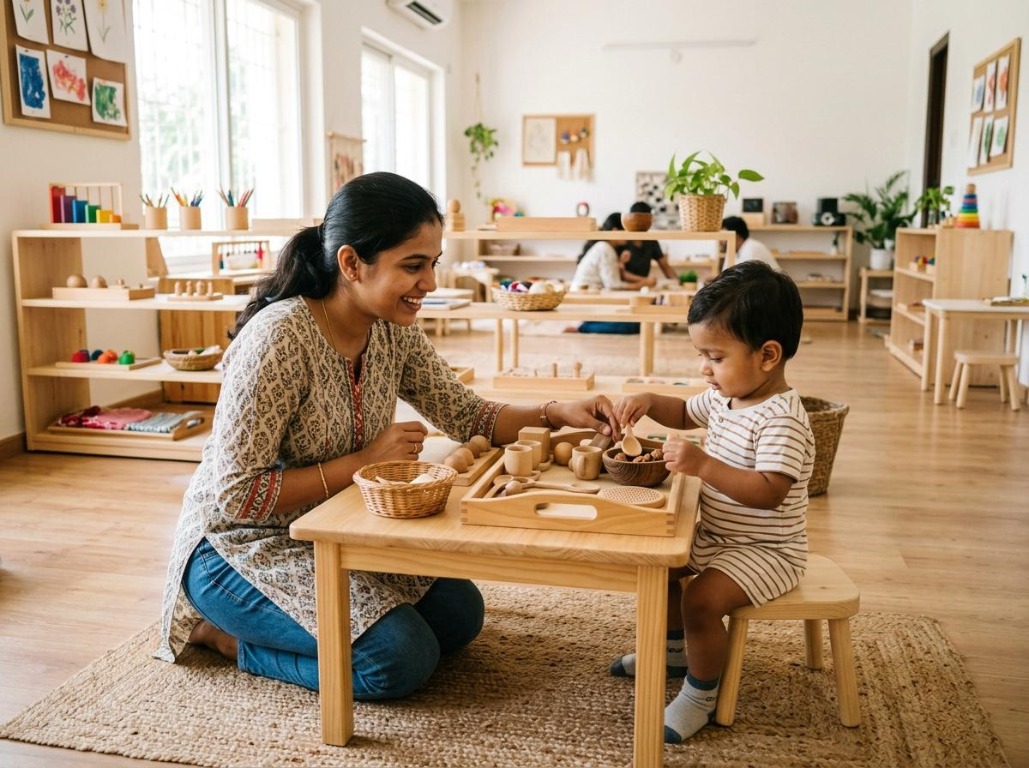
The Certificate in Montessori and Early Childhood Education introduces learners to the principles of Montessori teaching and the essential practices of early childhood care and education. It combines educational concepts with practical preparation for working with young children in preschool and early learning environments.
Participants learn to prepare child-friendly learning spaces, introduce age-appropriate educational materials, encourage independence, plan engaging classroom activities, observe children's progress, and communicate professionally with parents.
The programme also explores storytelling, rhymes, music, movement, art and craft, sensory exploration, early language development, pre-number concepts, and positive classroom guidance.
Review the programme details and contact our team for current batch and admission arrangements.
A structured curriculum for confident early childhood educators. Progress from understanding the child to preparing learning environments, delivering activities, and demonstrating teaching competence.

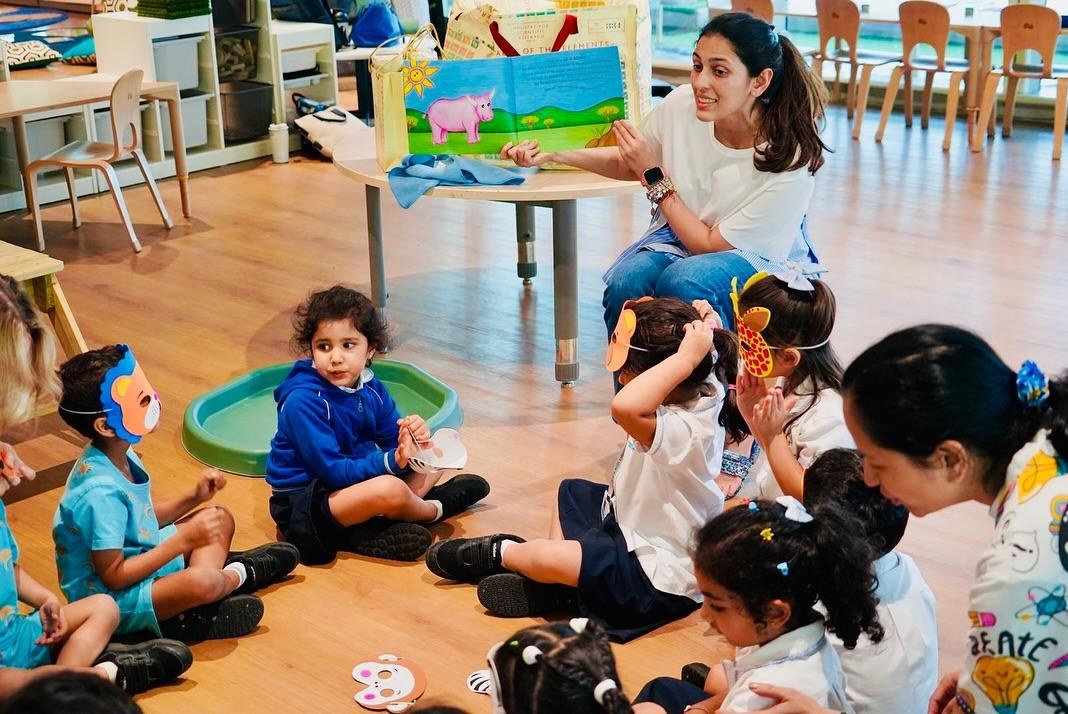
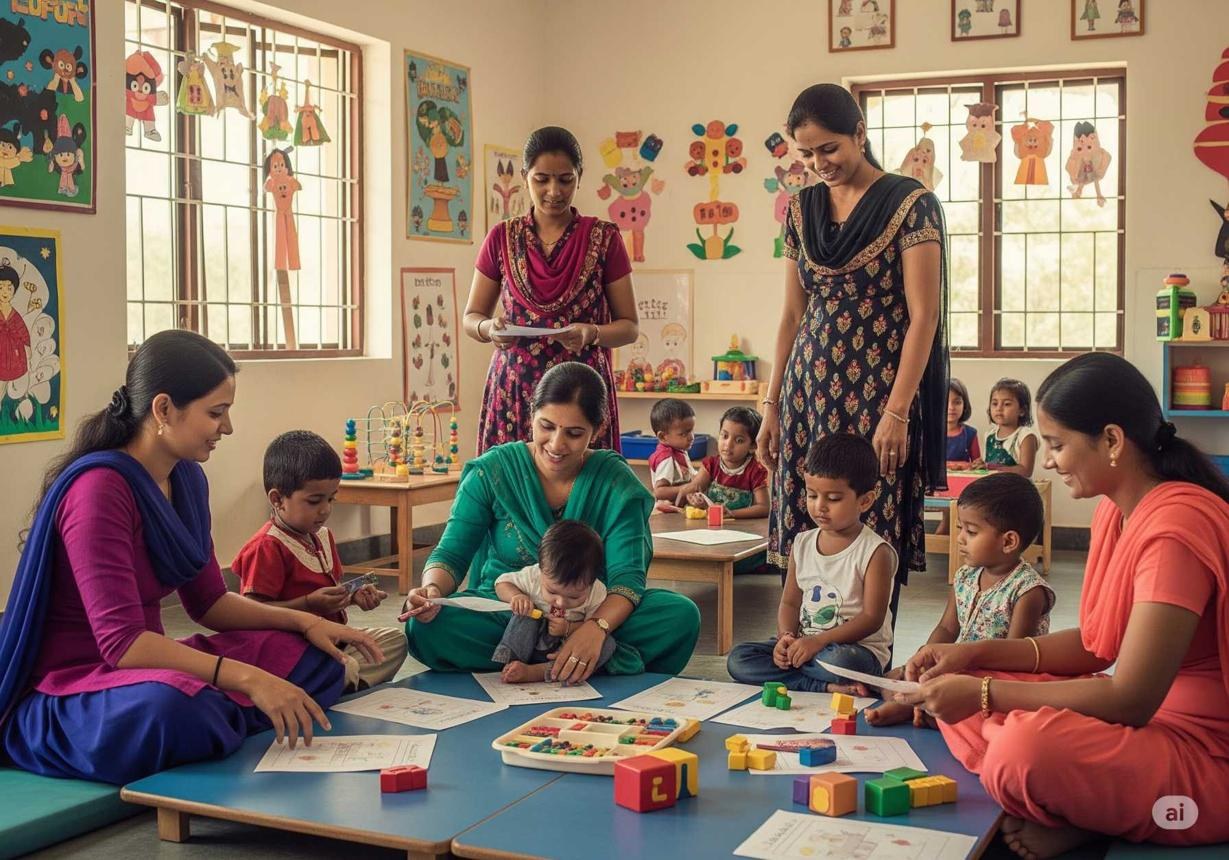
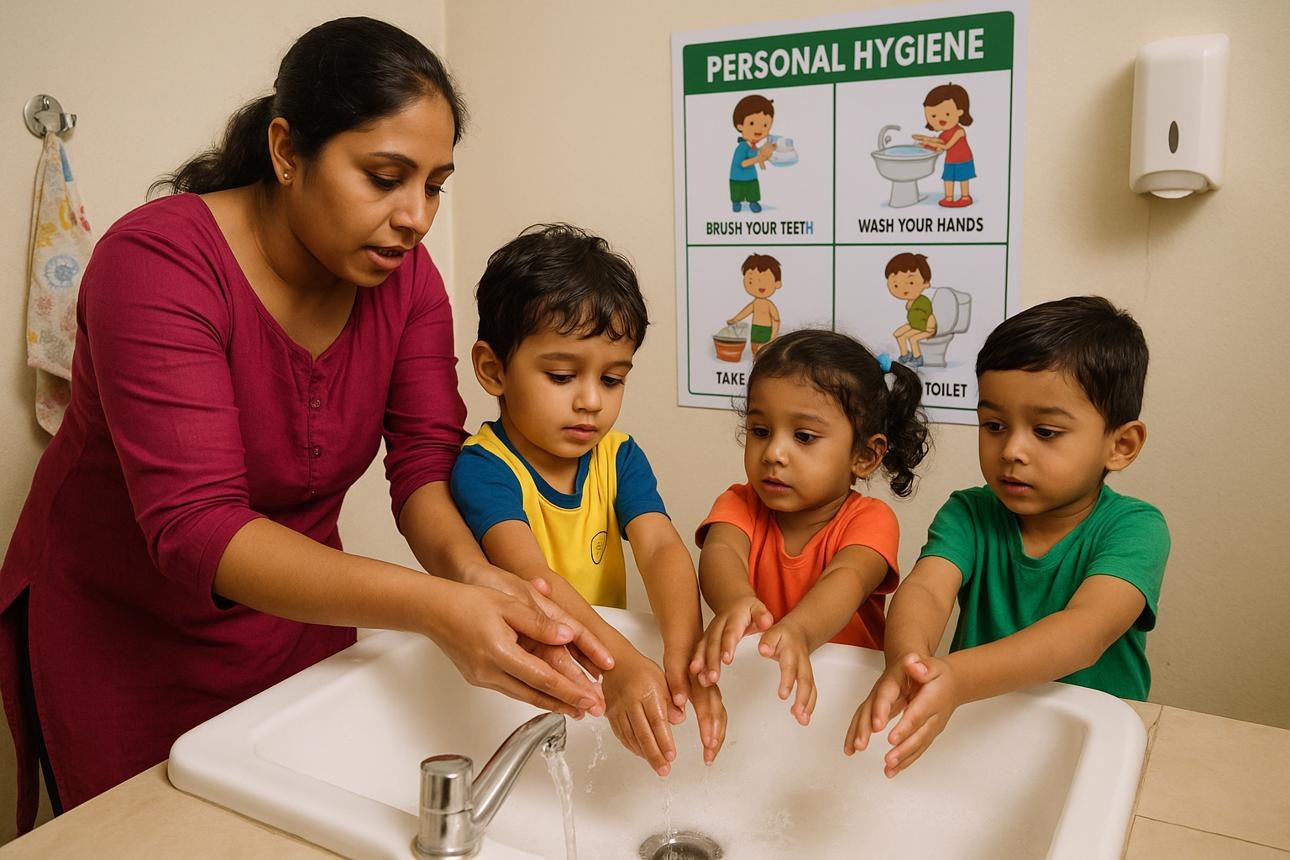
Play-based, activity-based, and developmentally appropriate learning for the Foundational Stage.
A national ECCE curriculum for children aged 3-6, with activities across developmental domains and an emphasis on joyful, competency-based learning.
Early stimulation and responsive caregiving for children from birth to three years.
Course duration: 120 hours. Contact admissions for the revised module-hour allocation and timetable. Confirm software access, practical arrangements and assessment requirements with admissions.
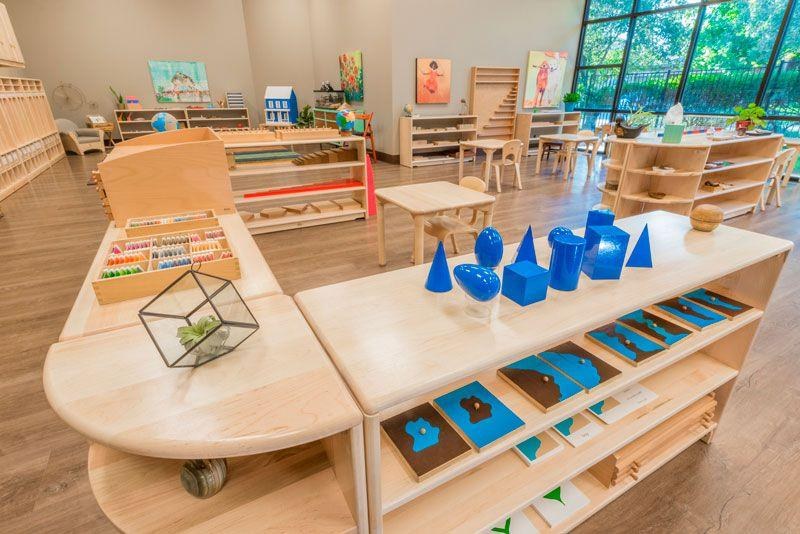
Learn how to select, prepare, demonstrate, and maintain educational materials that support hands-on learning. These are primarily teaching aids and educational resources, rather than digital technologies.

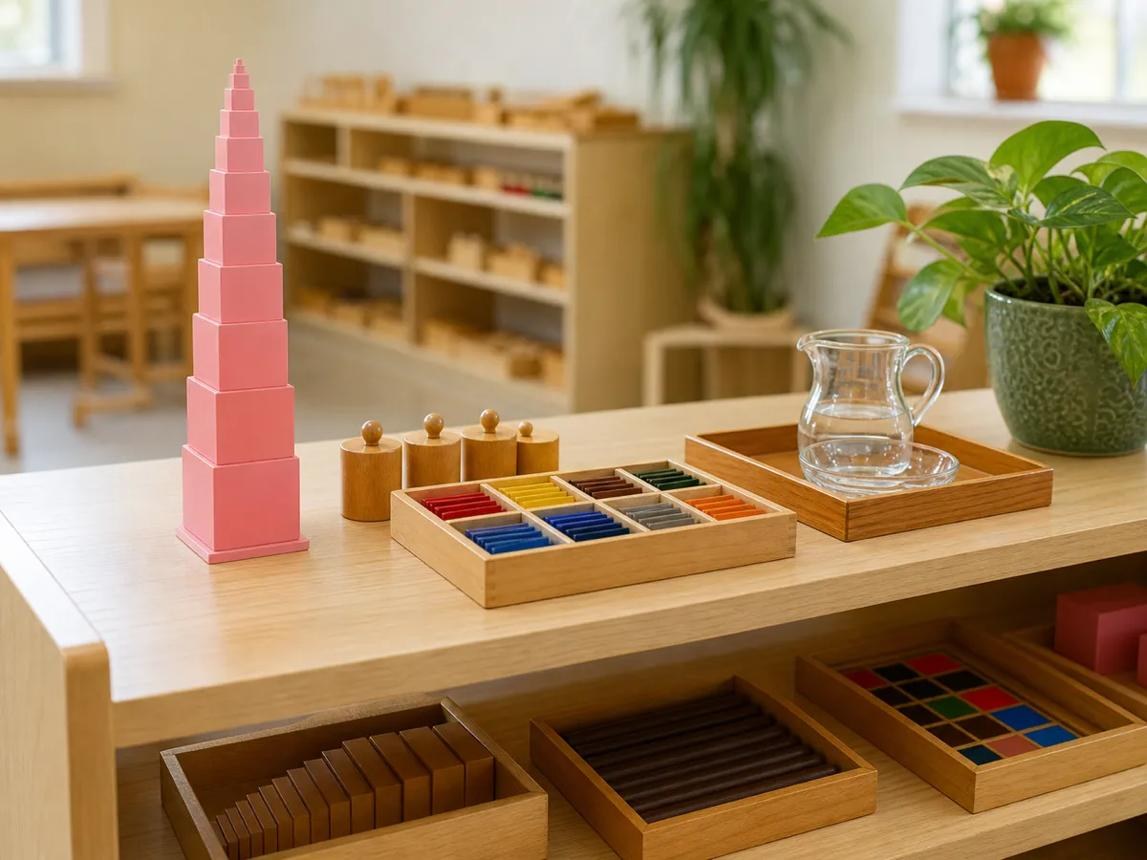
Pink Tower, Brown Stair, Red Rods, colour tablets, geometric shapes, texture boards, and sound cylinders.
Purpose: Discrimination, classification, observation, and sensory vocabulary.
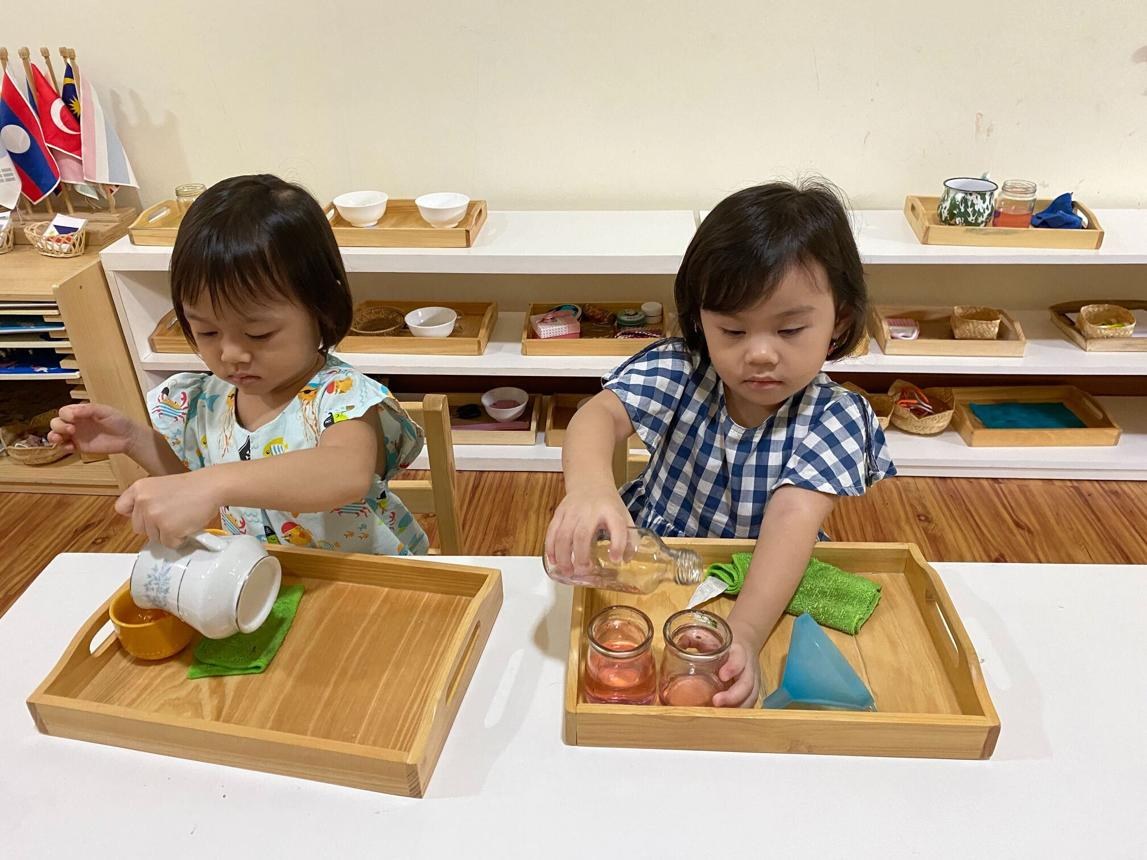
Pouring jugs, spoons, sorting bowls, transfer trays, dressing frames, child-sized cleaning tools, and folding materials.
Purpose: Independence, coordination, concentration, and everyday life skills.
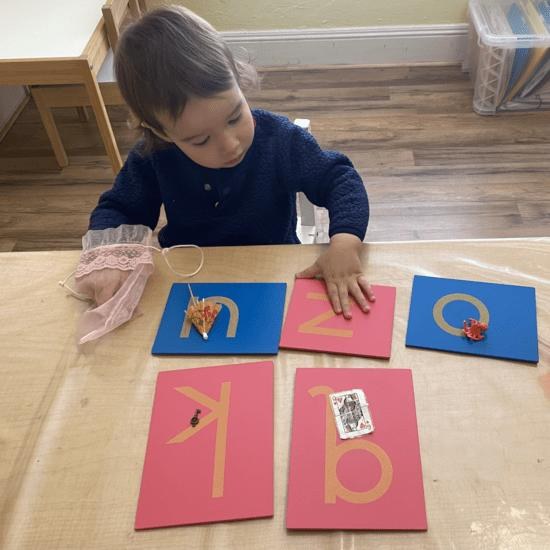
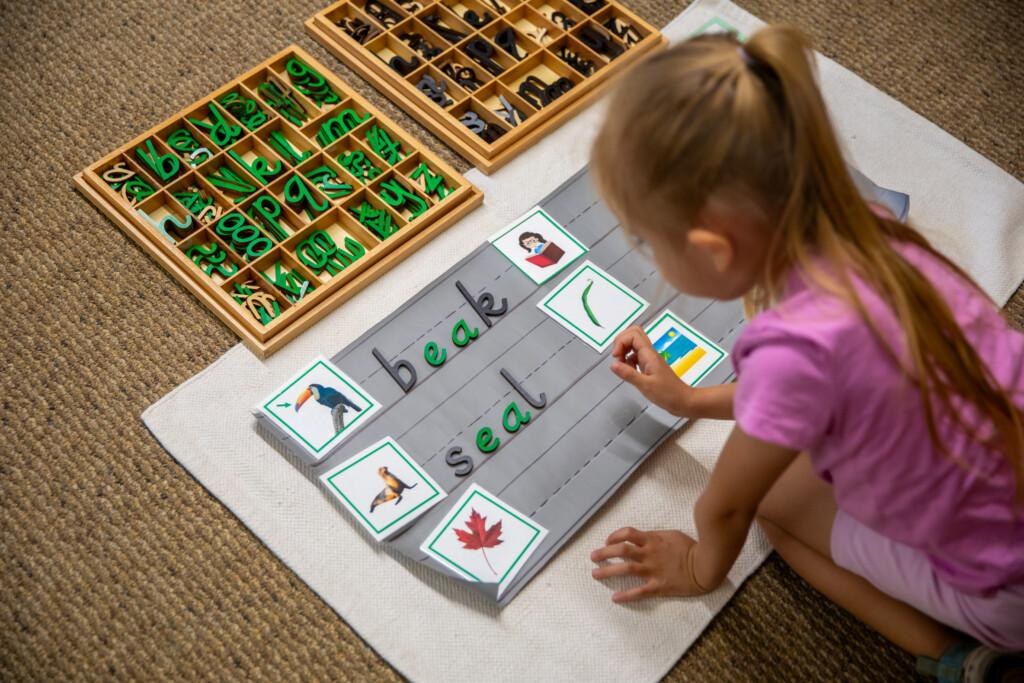
Sandpaper letters, movable alphabet, picture cards, storytelling cards, sequencing cards, and vocabulary objects.
Purpose: Oral language, sound awareness, vocabulary, and early literacy readiness.
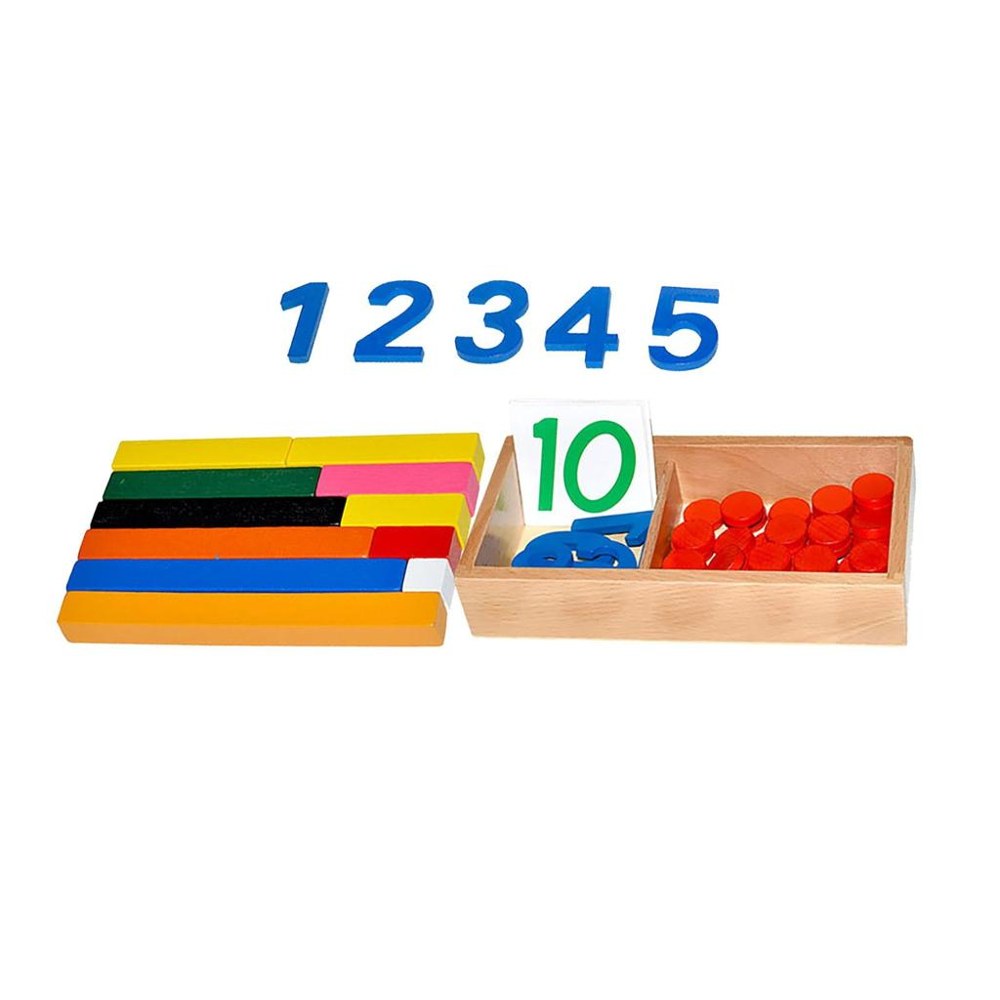
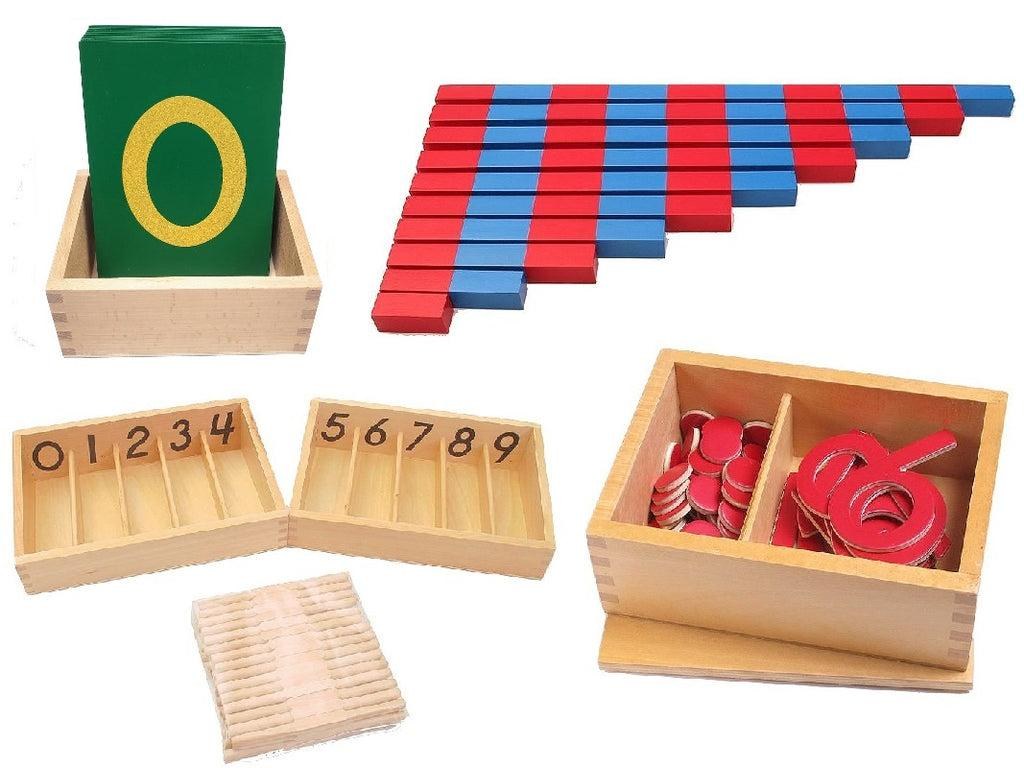
Number rods, spindle boxes, counters, number cards, counting beads, sorting objects, and shape puzzles.
Purpose: Counting, quantity recognition, patterns, comparison, and early mathematical reasoning.

Crayons, washable paints, paper, child-safe scissors, clay, puppets, musical instruments, and storybooks.
Purpose: Creativity, fine motor development, expression, and collaborative play.

Laptop or tablet, presentation software, digital lesson-plan templates, spreadsheets, printable activity sheets, and child-progress portfolio templates.
Purpose: Lesson preparation, record keeping, communication, and reflective teaching.
Choose age-appropriate, child-safe resources and supervise activities appropriately.
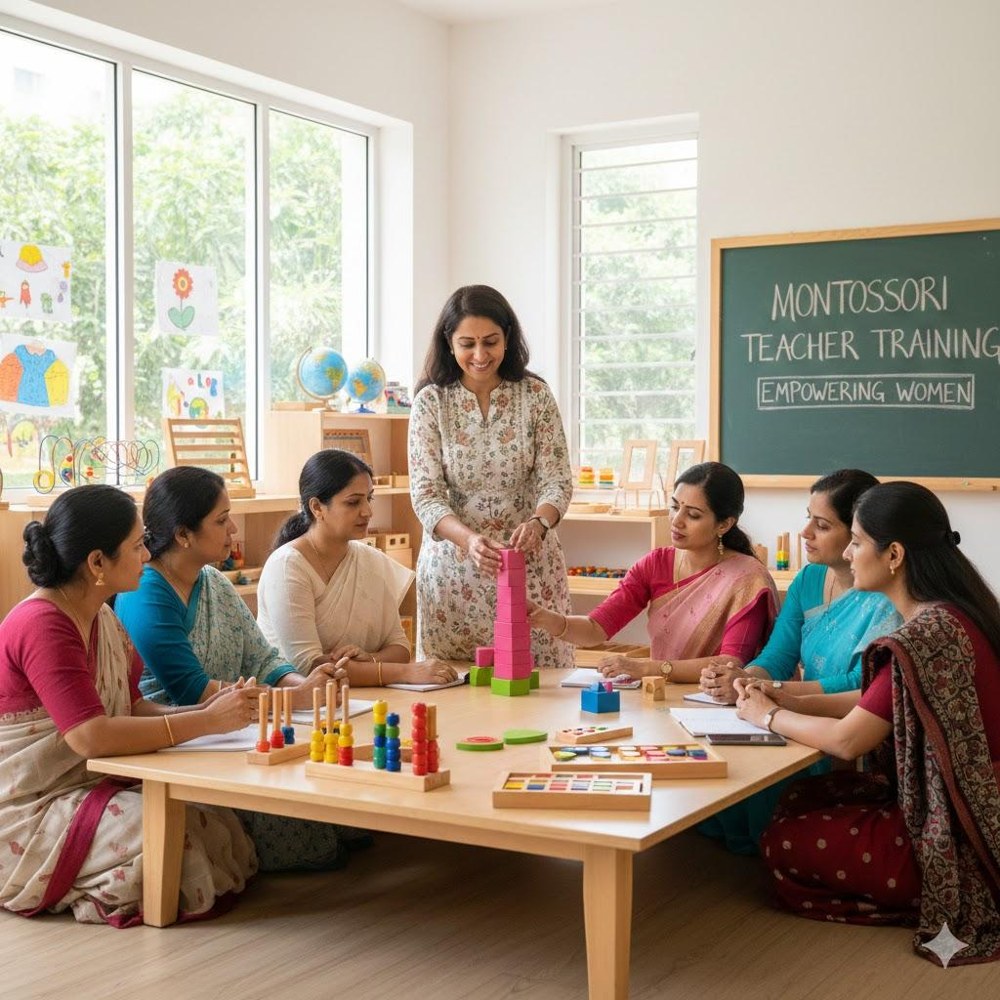
The courseme gives learners opportunities to prepare materials, demonstrate activities, design lesson plans, and practise explaining concepts in simple, child-friendly ways.
Prepare and present a practical life or sensorial activity, explaining the materials, learning objective, demonstration sequence, and clean-up routine.
Develop a sample week of age-appropriate activities covering language, early mathematics, movement, creative expression, and social-emotional learning.
Create picture cards, matching activities, counting aids, storytelling props, or sensory materials using safe and reusable resources.
Prepare a sample observation record and learning portfolio using fictional or properly consented, anonymised information.
Conduct a simulated story, rhyme, puppet, or music session that encourages participation and language development.
Create a model preschool learning space with activity zones, accessible materials, safe movement paths, and an inclusive learning environment.
Learners can be assessed through:
Assessment methods are subject to the final course plan. Supervised placement or live classroom practice is not confirmed and should not be assumed to be included.
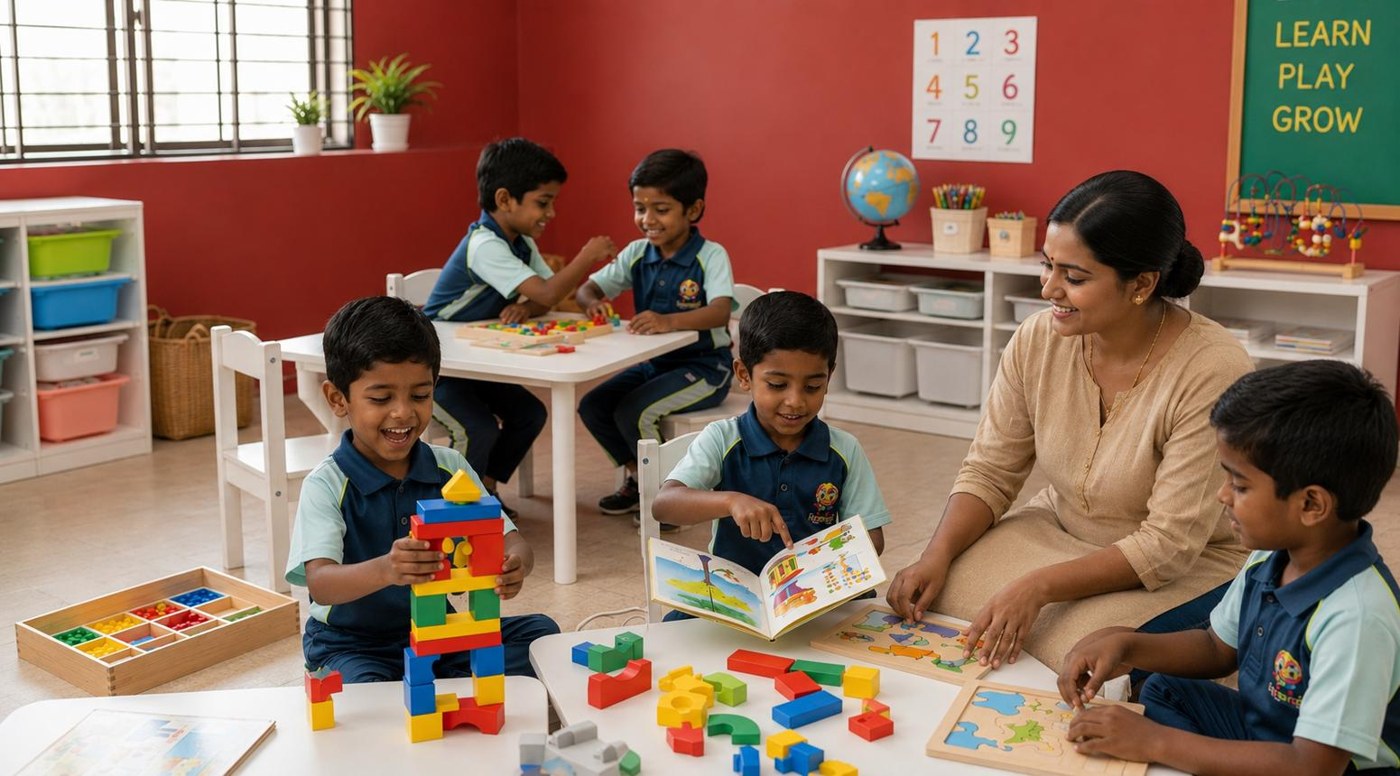
By the end of the programme, successful learners should be able to demonstrate the following skills, subject to the final course plan and assessment requirements.
Describe independence, purposeful activity, hands-on learning, and the prepared environment.
Identify key developmental domains and recognise that children develop at different rates.
Select and organise appropriate activities for language, sensorial learning, practical life, and early mathematics.
Develop daily and weekly activity plans with clear learning objectives.
Establish predictable routines and encourage respectful, supportive interactions.
Maintain appropriate notes and portfolios without making unsupported developmental diagnoses.
Adapt activities where appropriate and follow safeguarding, hygiene, and referral procedures.
Share relevant observations with parents and work collaboratively with colleagues.

A certificate can provide foundational training for entry-level opportunities, depending on the employer's eligibility criteria and the learner's prior education. Career progression depends on experience, practical competence, additional qualifications, and individual school requirements.

Support classroom activities, prepare learning materials, help maintain routines, and assist the lead teacher.
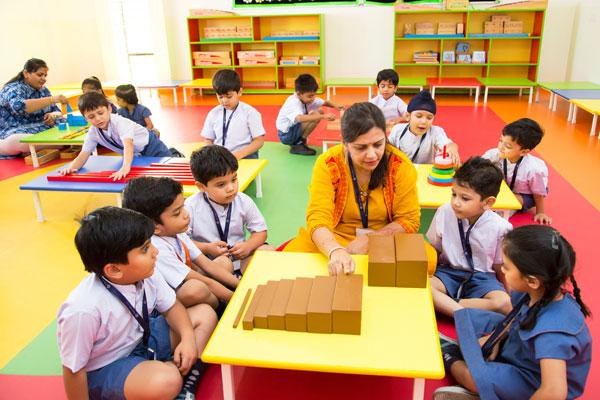
Deliver learning activities and guide young children's classroom experiences, subject to the school's qualification requirements.
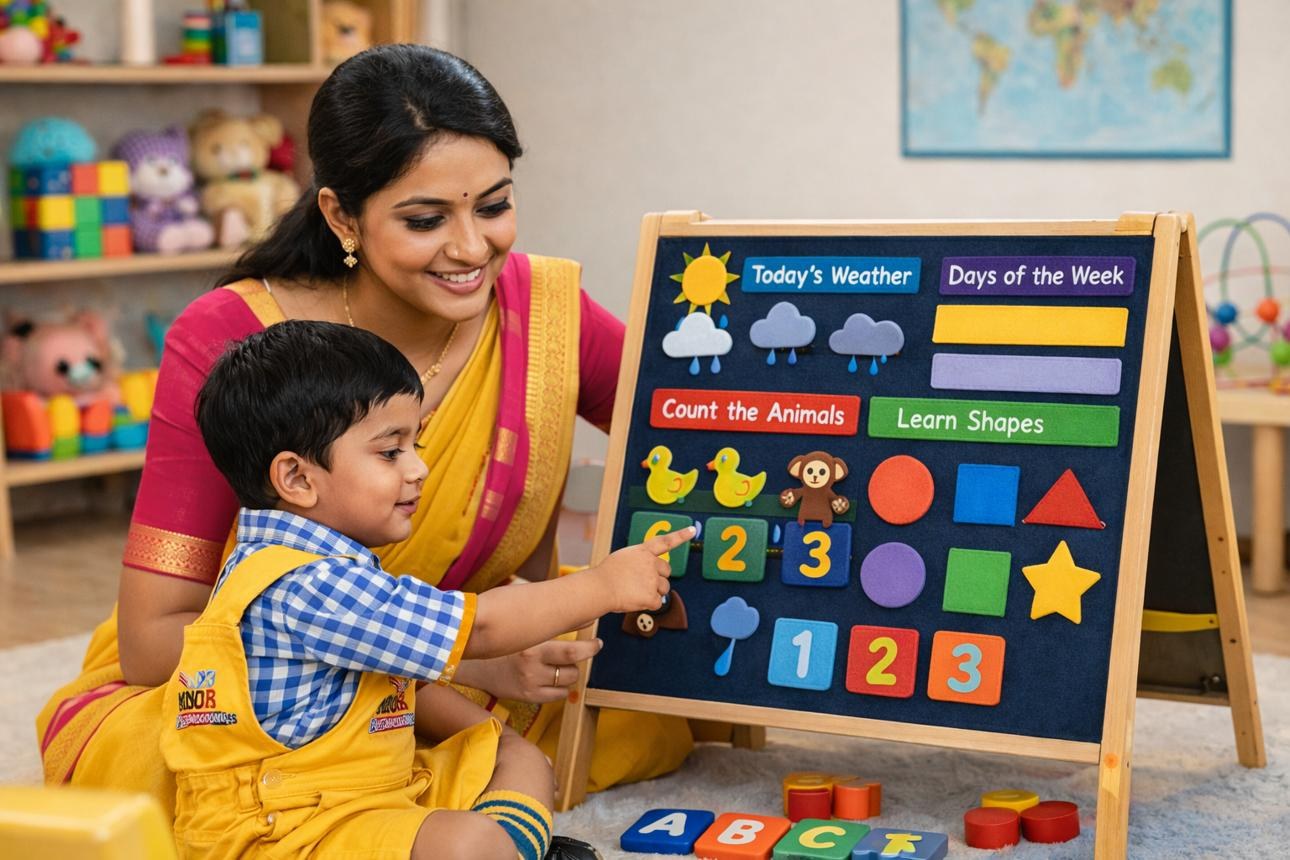
Prepare stories, creative activities, early literacy and numeracy experiences, and structured play sessions.

Explore age-appropriate activity workshops, educational material preparation, or other small education-related services, subject to applicable requirements.
Compare these planning ranges with current local opportunities. Pay varies by role, qualifications, experience and employer.
Build your future: Completing this certificate does not automatically qualify a learner to open a regulated childcare facility, operate a recognised school, or obtain a particular teaching post.
Discuss the issuing authority, assessment requirements and any separate provider exams with admissions.
Confirm the issuing authority, attendance requirements, practical assessments and completion criteria with ECAREERPLUZ before enrolment.

ECAREERPLUZ can support learners as they prepare to explore opportunities in Montessori schools, preschools, nursery classrooms, and early learning centres. The proposed placement-support framework can help learners communicate their skills, prepare for interviews, and understand employer expectations. Confirm which services are currently provided.
Create a professional CV highlighting course completion, teaching aids, lesson plans, practical assignments, and relevant prior experience.
Practise explaining Montessori activities, classroom routines, child-centred learning, and responses to common interview questions.
Help learners identify relevant vacancies and understand each employer's educational qualifications and experience requirements.
Organise sample lesson plans, activity demonstrations, teaching-aid photographs, and practical assessment records for interviews.
This support framework is proposed, not a confirmation of services currently available. Refer to the current placement-support policy.
Effective teacher preparation combines educational knowledge, practical demonstrations, reflective learning, and structured feedback. ECAREERPLUZ can use a consistent assessment process to help learners understand their progress and identify areas for improvement.
Organise the syllabus into modules, learning objectives, practical tasks, and assessment checkpoints.
Record attendance, assignment completion, practical performance, quiz results, and feedback where these are part of the course.
Use trainer feedback and learner reflections to improve teaching demonstrations, lesson plans, and classroom readiness.
Include age-appropriate activities, safe material handling, respectful interactions, inclusive practices, and responsible record keeping.
The courseme can incorporate play-based pedagogy, activity-based learning, foundational language and numeracy, holistic development, and inclusive learning principles informed by India's NCF-FS 2022 and the 2024 ECCE frameworks.
Learn from Industry Experts and Experienced Professionals.

10 years of Experience

10 Years of Experience
Explore example Montessori teaching projects and learning journeys.

Learner
The training helped me understand child development, classroom routines, and Montessori teaching materials. I gained confidence in preparing activities and presenting lessons for young learners.
Practice focus: Developed foundational teaching skills and a practical teaching portfolio.
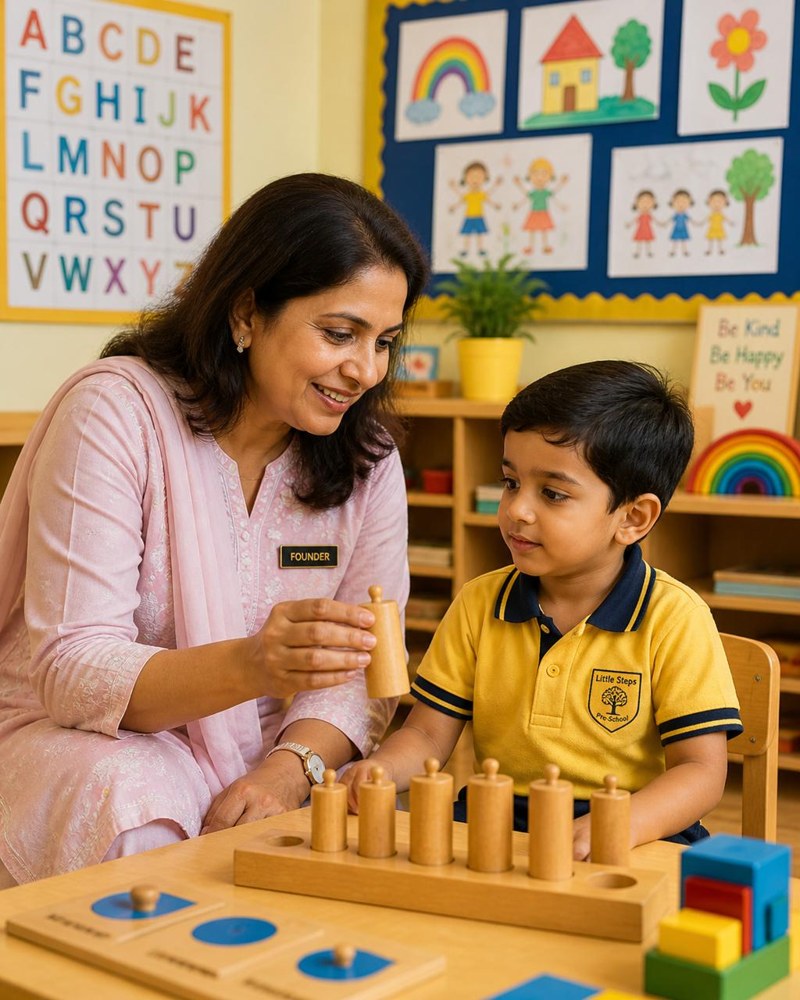
Learner
Creating low-cost teaching aids showed me how everyday materials can support children's learning. I learned to prepare counting games, picture cards, and sensory activities.
Practice focus: Prepared reusable educational resources and activity demonstrations.

Learner
Learning about positive classroom guidance and daily routines helped me understand how to support children patiently and create an organised learning environment.
Practice focus: Improved understanding of classroom assistance and child-centred activities.
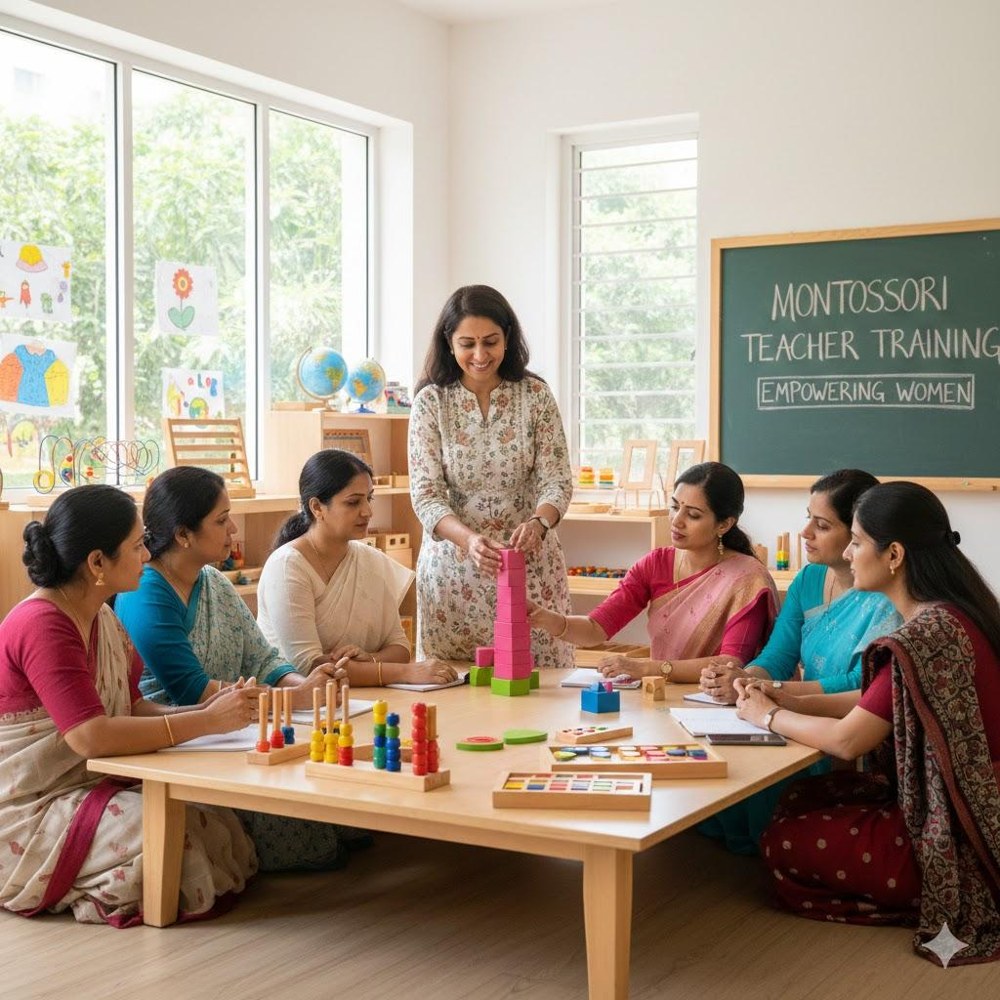
Learner
Preparing weekly lesson plans helped me organise stories, rhymes, language activities, and early mathematics into meaningful learning experiences.
Practice focus: Created sample lesson plans and structured activity sequences.
Learner
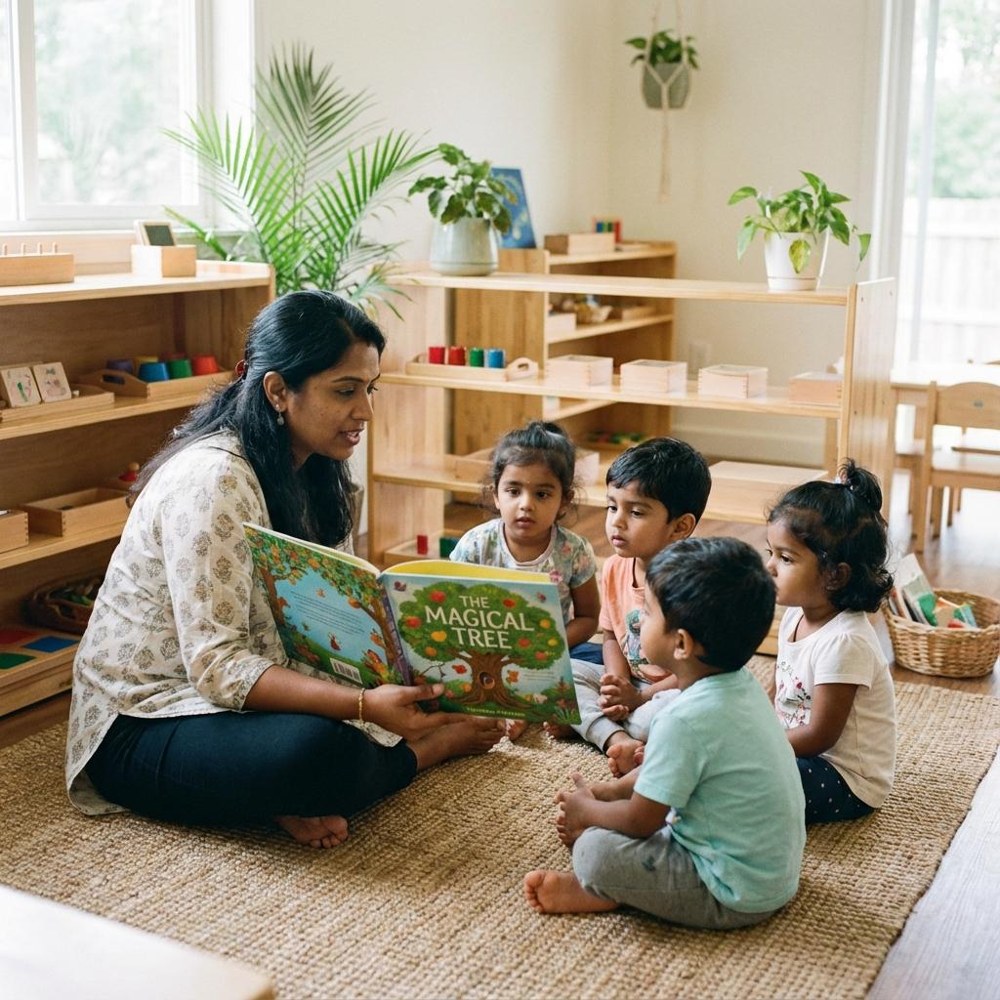
Storytelling, puppets, songs, and picture cards helped me explore creative ways to encourage listening, vocabulary, imagination, and participation.
Practice focus: Designed engaging storytelling and circle-time activities.

Learner
Using number rods, counters, and sorting materials helped me understand how children can explore numbers and patterns through practical experiences.
Practice focus: Developed hands-on early numeracy activities.

Learner
The course introduced me to educational resources and activity planning, inspiring me to explore small learning workshops and handmade teaching materials.
Practice focus: Developed an initial concept for an education-related service.
Learner
The programme helped me identify the skills I want to strengthen further, from inclusive teaching practices to child observation and classroom management.
Practice focus: Prepared a personal development plan for further learning and career exploration.
It is a foundational teacher-training programme that introduces Montessori methodology, child development, early learning activities, lesson planning, classroom management, and practical teaching resources.
Learners with a 12th qualification or any degree can enquire about admission. The programme is intended for aspiring preschool educators, teaching assistants, caregivers, and others interested in early childhood education. Contact ECAREERPLUZ for the admission process.
The course duration is 120 hours. Contact admissions for the revised module-hour allocation and timetable.
The course is available in both online and offline modes. Contact ECAREERPLUZ to confirm the mode, schedule and practical arrangements for your selected batch.
The curriculum includes practical life, sensorial, language, mathematics, storytelling, teaching-aid preparation, and lesson-planning activities. Confirm the actual practical hours and facilities before enrolment.
It can be suitable for beginners if they meet the admission criteria. The foundational modules introduce the concepts and skills needed to begin learning about Montessori and early childhood education.
Eligible learners who meet the published completion requirements may receive the certificate from the stated awarding organisation. Verify the issuing authority and any applicable recognition before enrolling.
Recognition depends on the specific awarding body and applicable authorisation. NEP 2020 or alignment with national ECCE frameworks does not automatically grant government recognition to a private certificate.
Depending on prior qualifications and employer requirements, possible entry-level pathways include preschool assistant, early learning activity facilitator, and selected Montessori or preschool teaching roles. Some institutions require additional or formally recognised qualifications.
Salary depends on location, prior education, practical skills, experience, and the employer.
Refer to the current placement-support policy for details of resume guidance, interview preparation, job referrals, or other services actually provided. Placement should not be assumed or guaranteed.
The Certificate is intended as a foundational programme, while the Diploma can cover a broader or more detailed syllabus. Compare their duration, learning outcomes, practical requirements, eligibility, and awarding arrangements before choosing.
The certificate alone does not establish that you are eligible to operate a preschool or childcare facility. Check applicable local requirements, safety provisions, registration rules, and staffing qualifications before starting a centre.
The curriculum can incorporate play-based learning, holistic development, inclusion, foundational literacy and numeracy, and age-appropriate assessment informed by NCF-FS 2022 and the Government of India's Aadharshila and Navchetana frameworks issued in 2024.
Contact ECAREERPLUZ for current batch dates, fees, assessment requirements and certificate details. The programme is 120 hours, is available online and offline, and accepts learners with a 12th qualification or any degree.
Course fee: INR 15,000 + 18% GST (INR 2,700). Total including GST: INR 17,700. Confirm exclusions, materials, assessments and payment options with admissions.
Speak to our team about the current course plan, admission policy and learning options.

Prepare for early childhood education through Montessori principles, practical teaching skills, 180 hours of structured training and a planned 420-hour internship.
Explore skills, try a small project and find your learning direction.
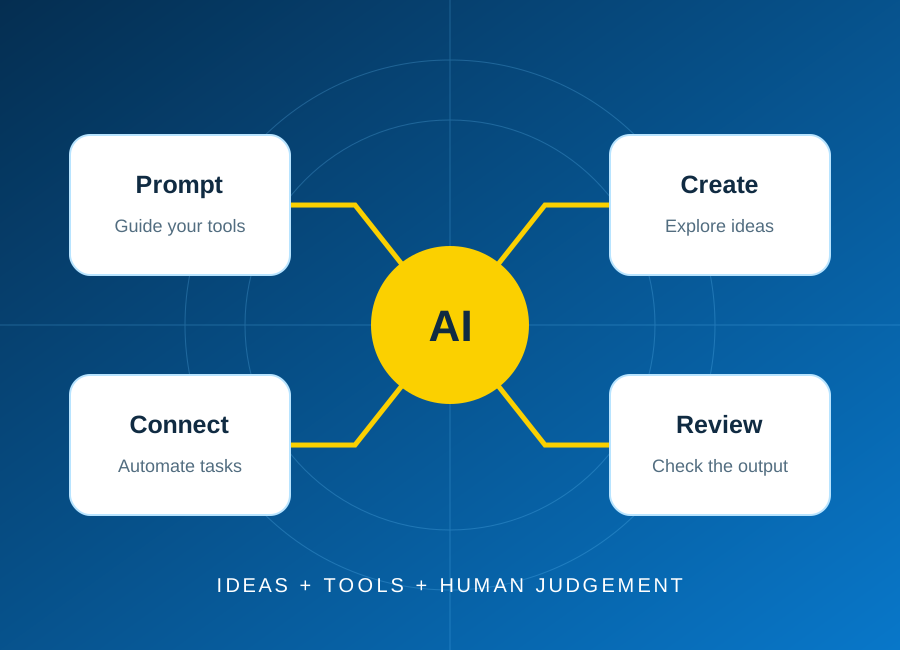
Start with one repeatable task, keep a person in control, and test the result before connecting real business data.
Read article: Plan your first AI automation project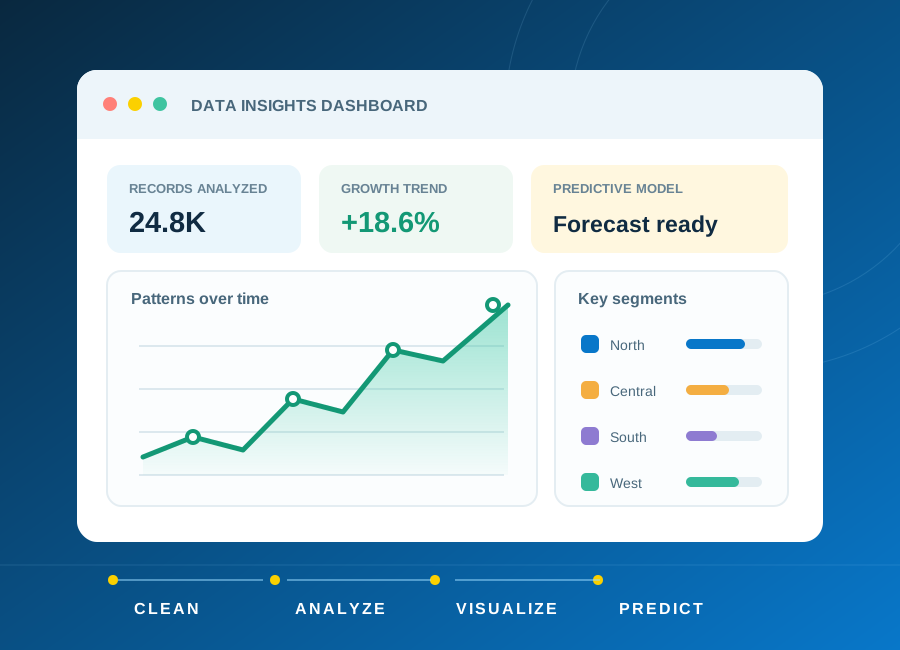
Learn how to frame a question, clean a small dataset and choose charts that explain rather than distract.
Read article: From raw data to a clear, useful dashboard
Turn a small idea into a working application with a clear data model, accessible forms and meaningful tests.
Read article: Build a first web application you can explain