
PROJECT 1
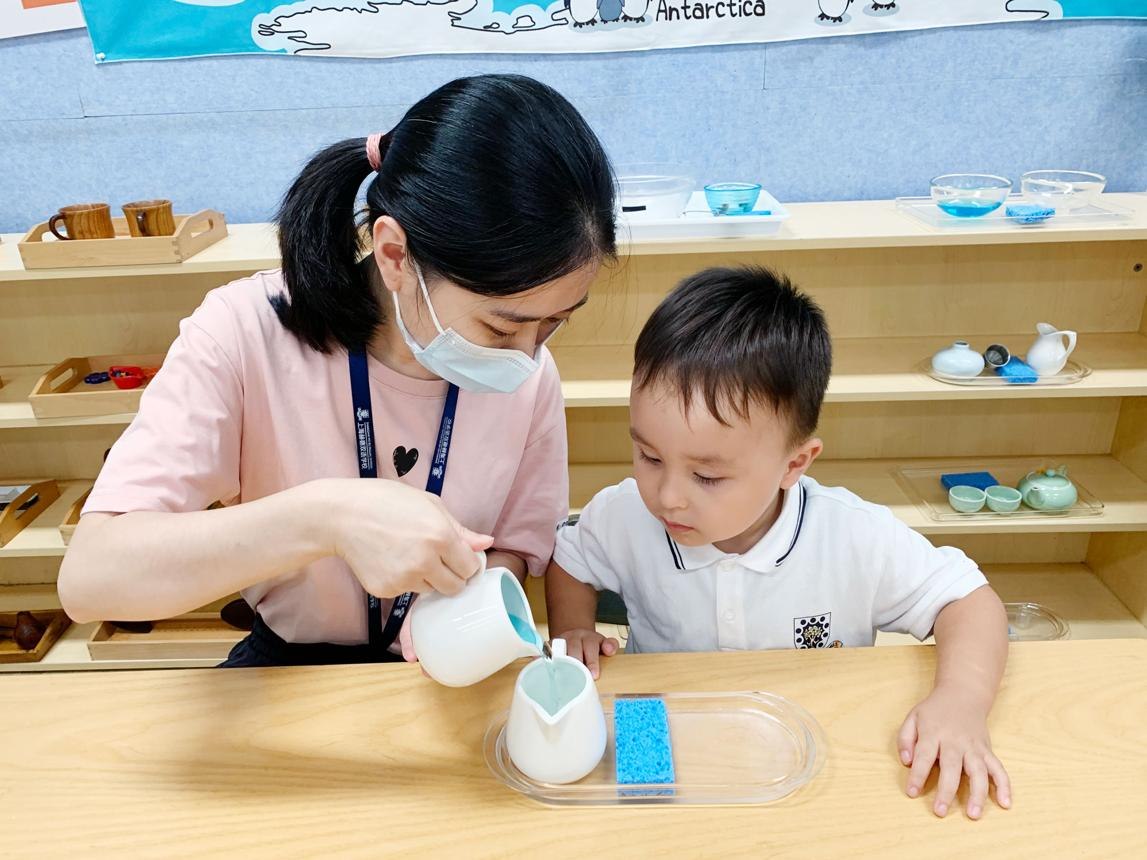
Montessori Practical Life Activity Tray
Prepare a pouring, spooning, sorting or folding activity. Include materials, learning objectives, presentation steps, safety considerations and a self-correction method.
YOUR NEXT LEARNING DIRECTION 01
Course fee: INR 25,000 + 18% GST (INR 4,500). Total including GST: INR 29,500.
Confirm exclusions, materials, assessments and payment options with admissions.
Explore Montessori teaching and early childhood education.
Prepare for early childhood education through Montessori principles, practical teaching skills, 180 hours of structured training and a planned 420-hour internship.
Course duration: 180 hours training + 420 hours internship. Contact admissions for batch dates, daily timings and delivery arrangements.
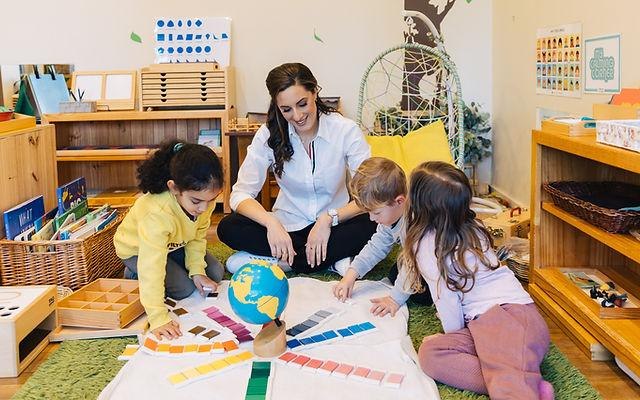
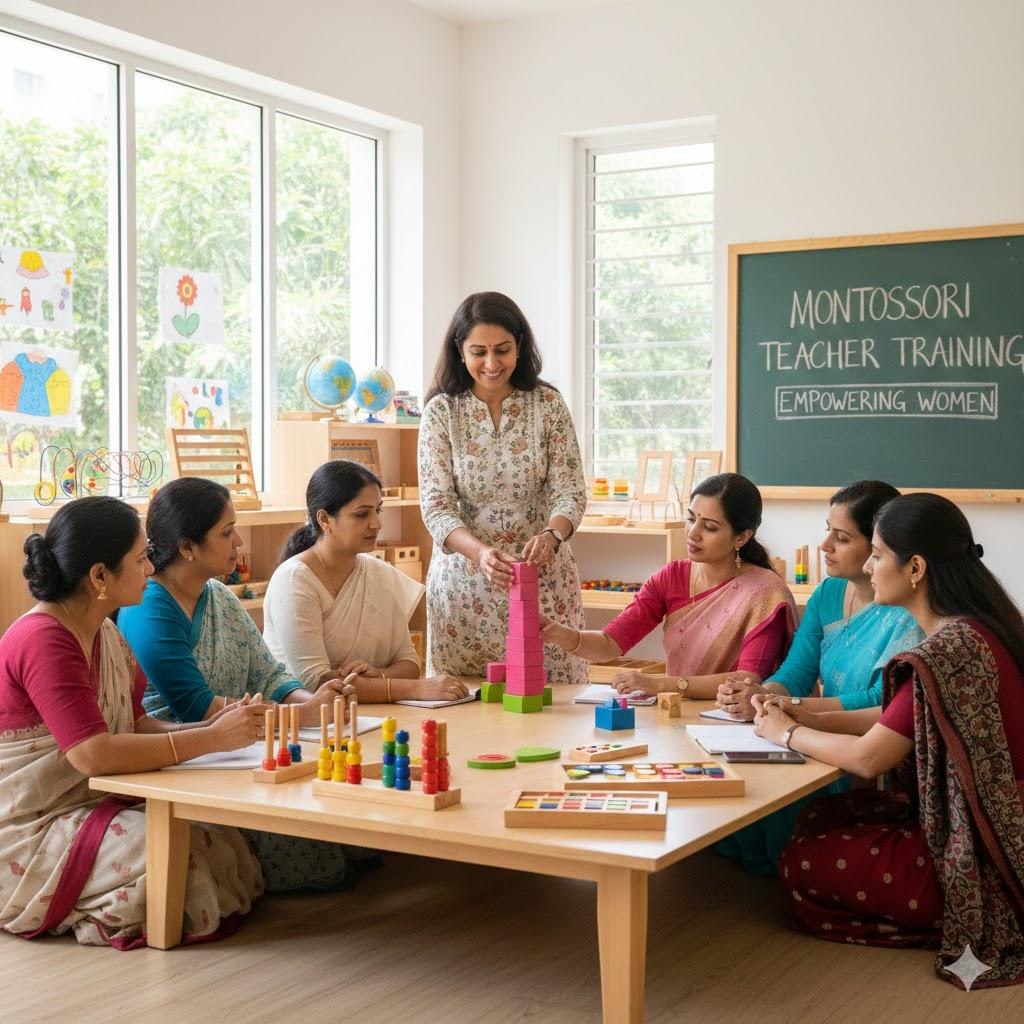
The Diploma in Montessori and Early Childhood Education is a career-oriented teacher preparation programme designed for aspiring Montessori teachers, preschool educators, nursery teachers, early childhood practitioners and individuals interested in establishing their own preschool or early learning centre.
The programme combines Montessori philosophy, child development, practical classroom techniques and contemporary early childhood education approaches. Learners develop the skills needed to create safe, engaging and child-centred learning environments where young children can explore, discover, communicate and develop independence.
With 180 hours of structured training and 420 hours of internship, participants have an opportunity to connect educational theory with real classroom experience under appropriate supervision.


Review the programme details and contact our team for current batch and admission arrangements.
The curriculum is designed to help learners move from understanding children to planning, presenting and evaluating effective early learning experiences.



60 suggested hours
80 suggested hours
100 suggested hours
100 suggested hours
40 suggested hours
40 suggested hours
Total internship: 420 hours, additional to the 180 training hours.
Suggested training-hour distribution: 180 hours in total. Confirm the final allocation against the approved institutional syllabus before enrolment. The 420-hour internship is additional. Internship activities depend on the host school's policies, mentor availability, child safeguarding requirements and the approved programme plan. Confirm the arrangements with admissions.
Montessori education uses carefully designed materials that allow children to learn through movement, exploration, repetition and self-correction. Modern early childhood educators also use teaching aids, observation tools and selected digital resources to support learning and communication. Select a category to explore the tools covered in the programme.

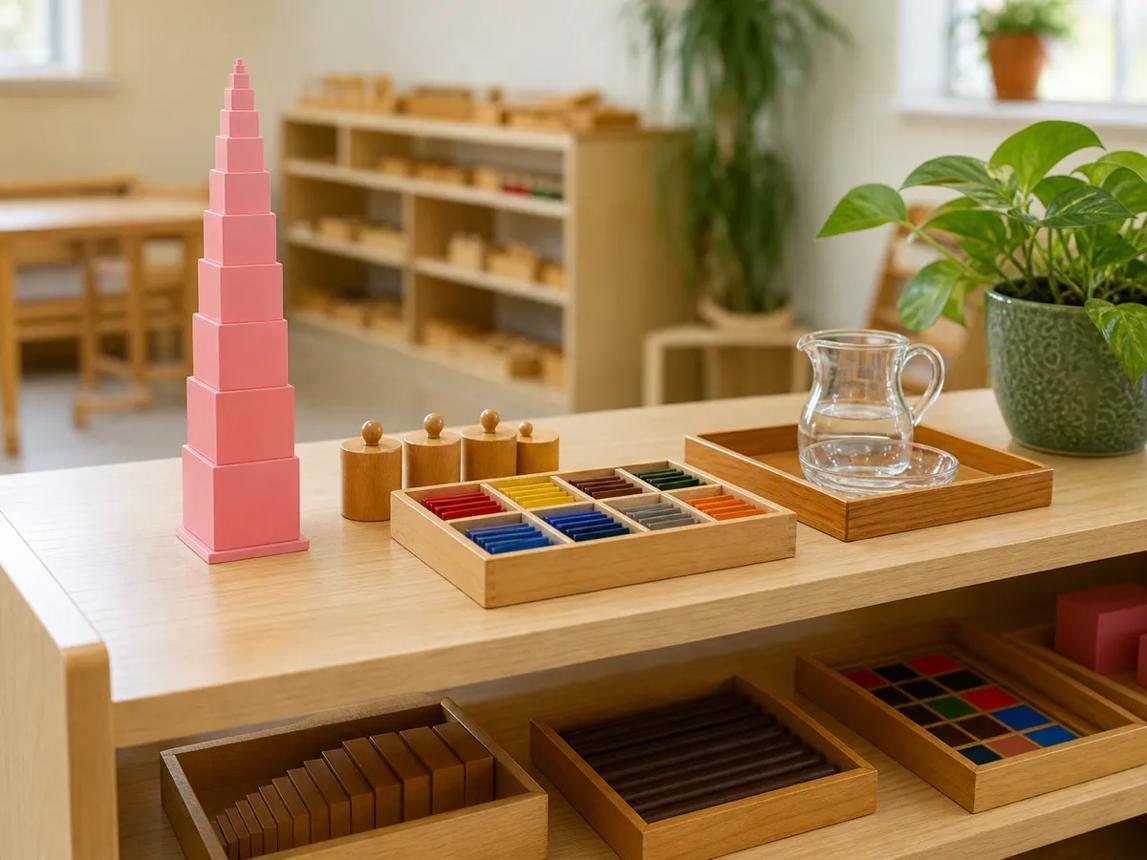
Pink Tower: visual discrimination of size and dimensions. Brown Stair: comparison of thickness and grading. Red Rods: length and sequencing. Knobbed Cylinders: visual discrimination and hand coordination. Colour Tablets: colour matching and classification.
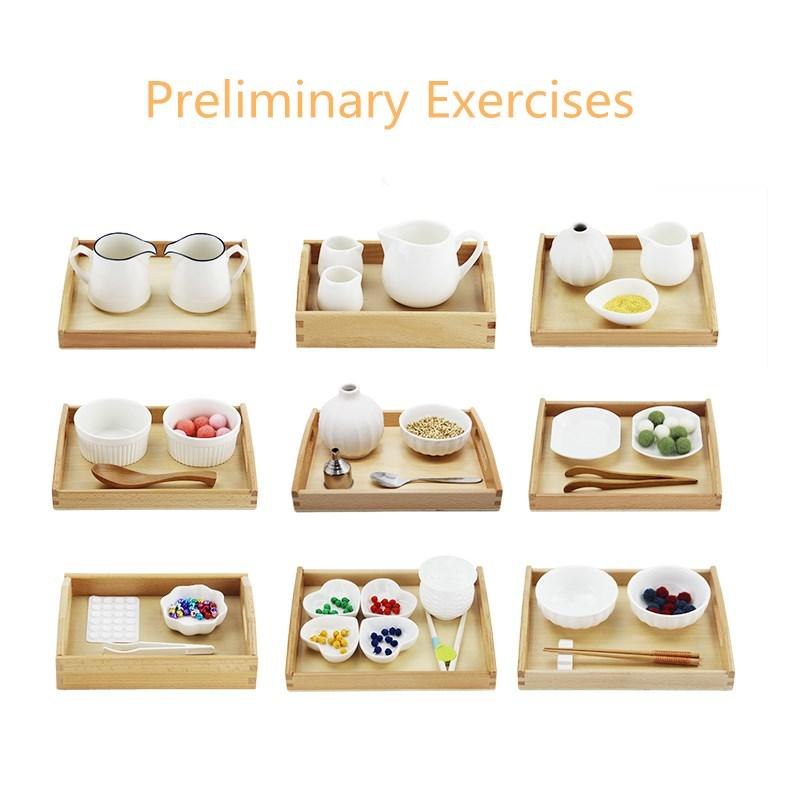
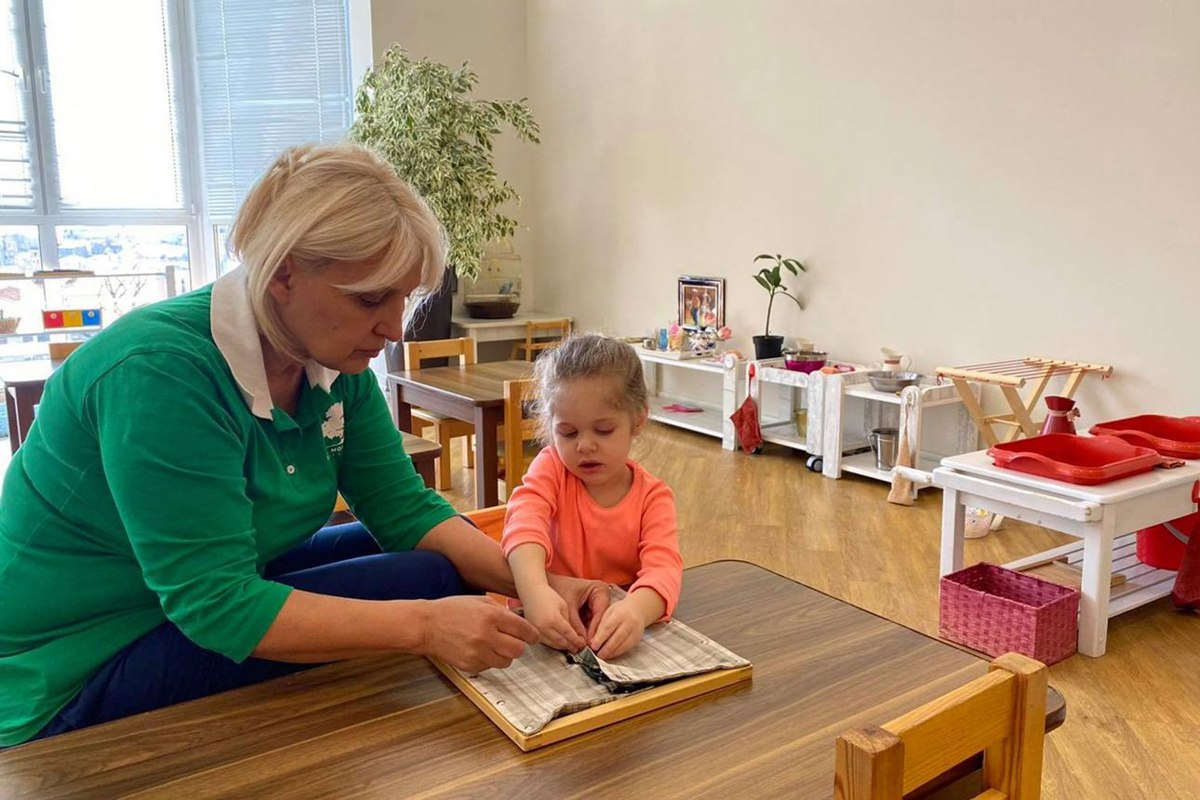
Dressing Frames: buttons, zips, bows and self-care skills. Pouring and spooning trays: hand control and concentration. Practical Life Care Sets: child-safe sweeping, dusting, folding and cleaning.
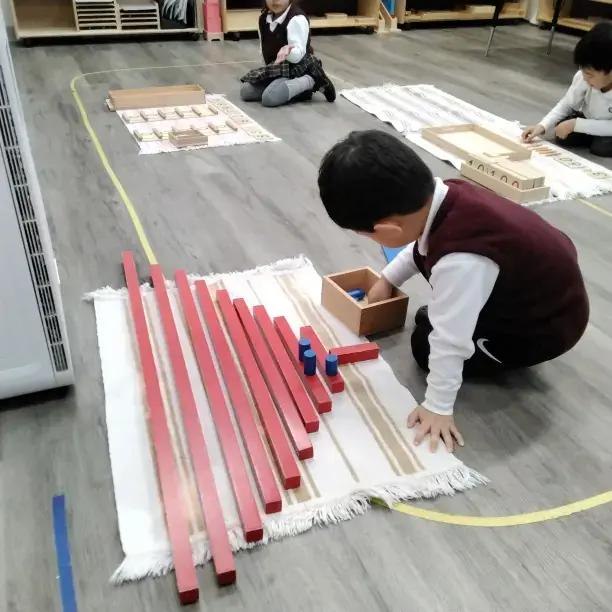
Arrange age-appropriate materials to support movement, exploration, repetition, self-correction and independence.
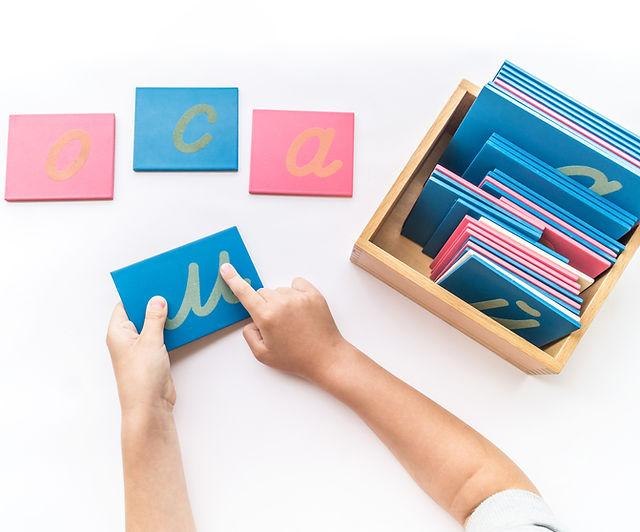
Sandpaper letters, movable alphabet, picture books and sound games support oral language, vocabulary, pre-writing and storytelling.
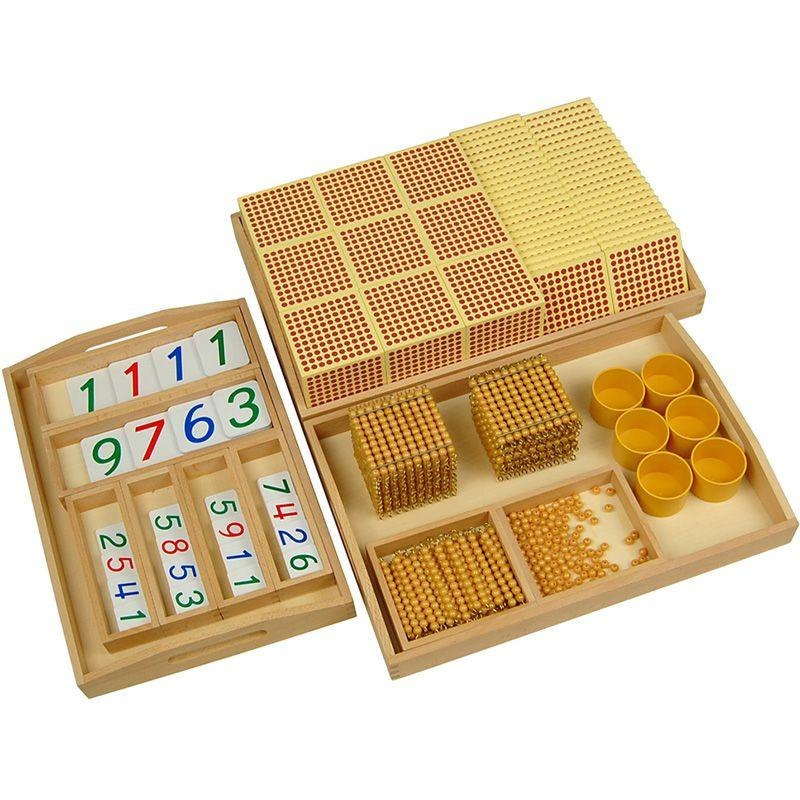
Number rods, spindle boxes, golden beads and counters support quantity, counting, shapes, sorting and measurement.
Stories, rhythm, art, movement, natural objects and sensory play support creative expression and environmental awareness.
Digital lesson preparation, learning portfolios and family communication should use appropriate consent, privacy safeguards and ethical handling of child data.
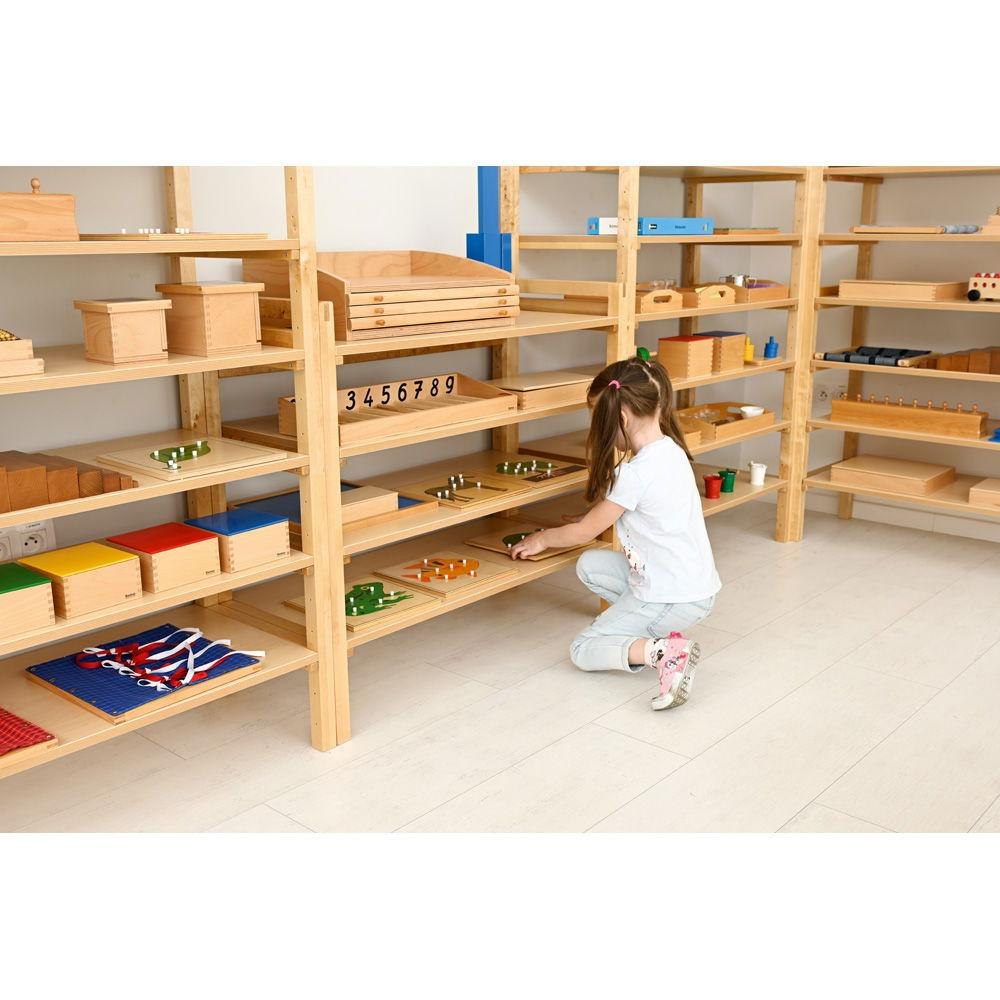
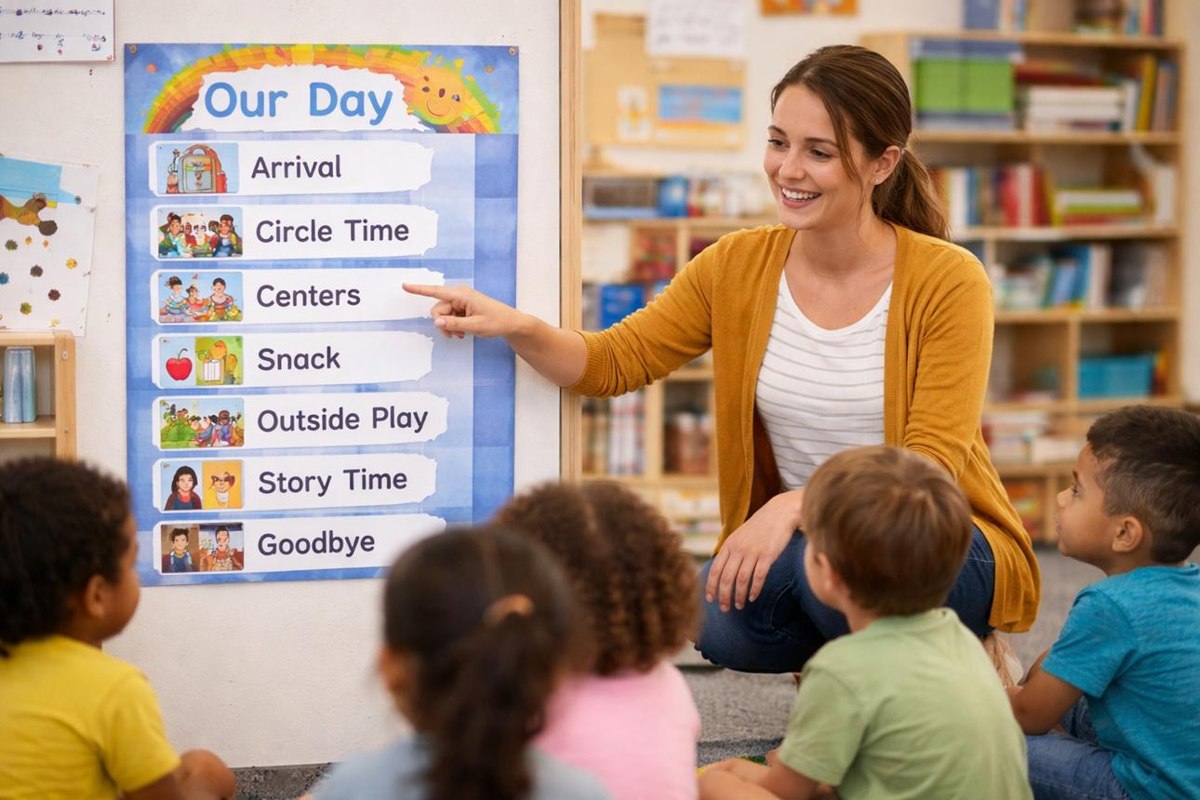
Child-height shelves, activity trays, floor mats, accessible storage baskets, visual routine charts and learning-area labels. Students learn to create an orderly and accessible environment.
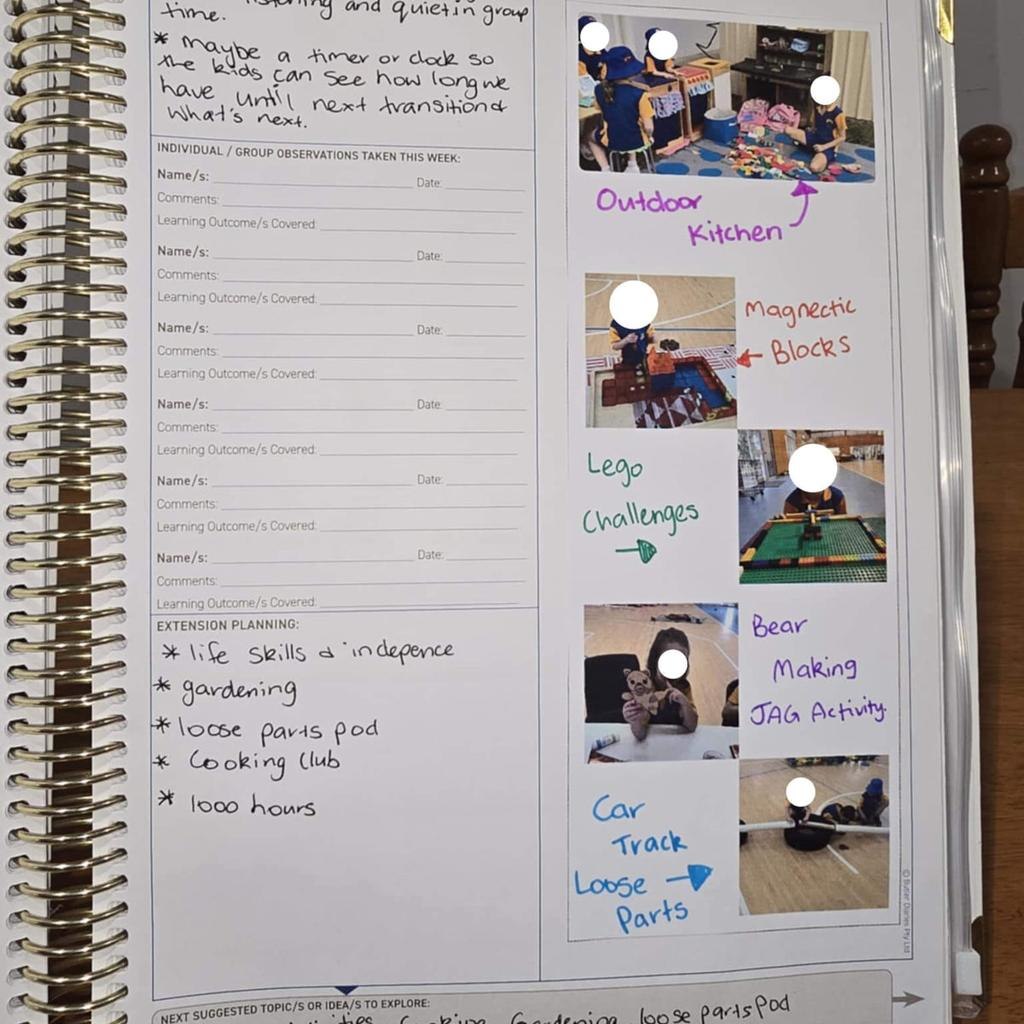
Anecdotal record sheets, observation checklists, developmental activity records, lesson-plan templates, attendance registers and child learning portfolios.

First-aid supplies, handwashing visuals, sanitation routines, emergency contact records and classroom safety checklists, used according to institutional policy and appropriate training.
Choose age-appropriate, child-safe resources and supervise activities appropriately.
Technology and child safety principle: Digital tools should supplement, not replace, hands-on play, human interaction, outdoor exploration and teacher-guided learning. Children's photographs, records and personal information require appropriate consent and privacy safeguards.
Practical projects help learners demonstrate that they can translate educational concepts into classroom-ready resources and age-appropriate learning experiences.
Prepare a pouring, spooning, sorting or folding activity. Include materials, learning objectives, presentation steps, safety considerations and a self-correction method.
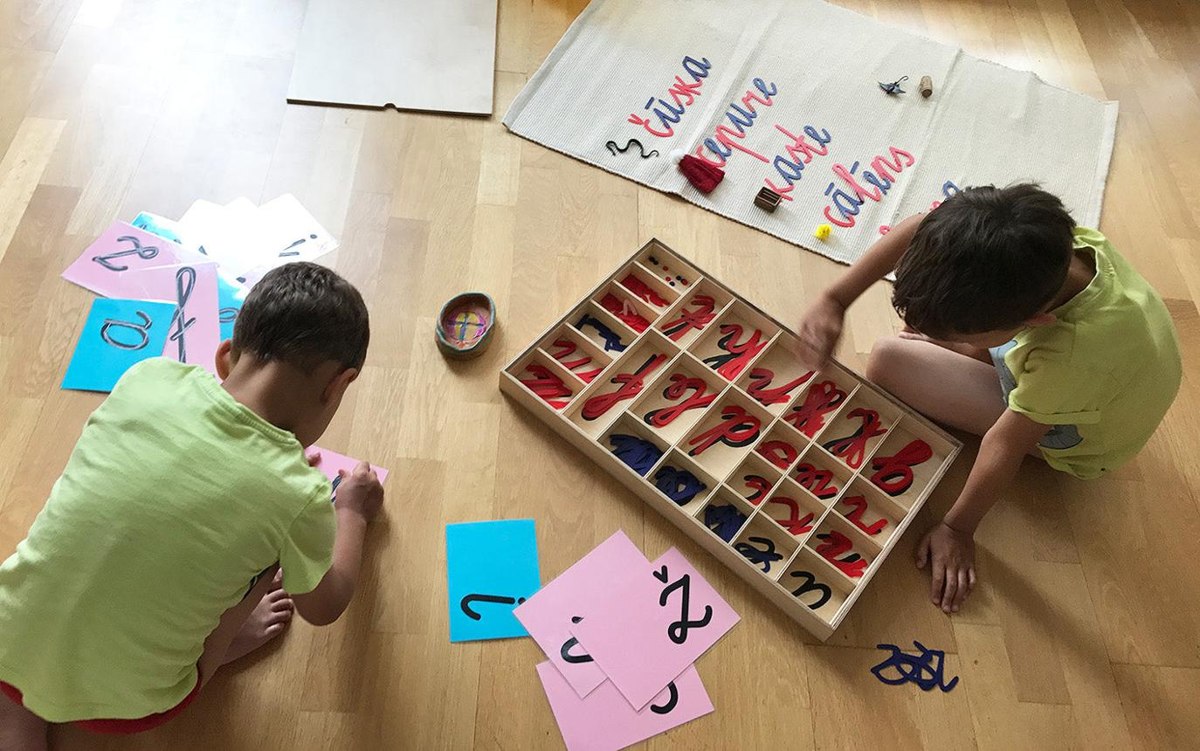
Create reusable letter cards, number materials, picture sequences, matching activities or sensory resources using safe and suitable materials.
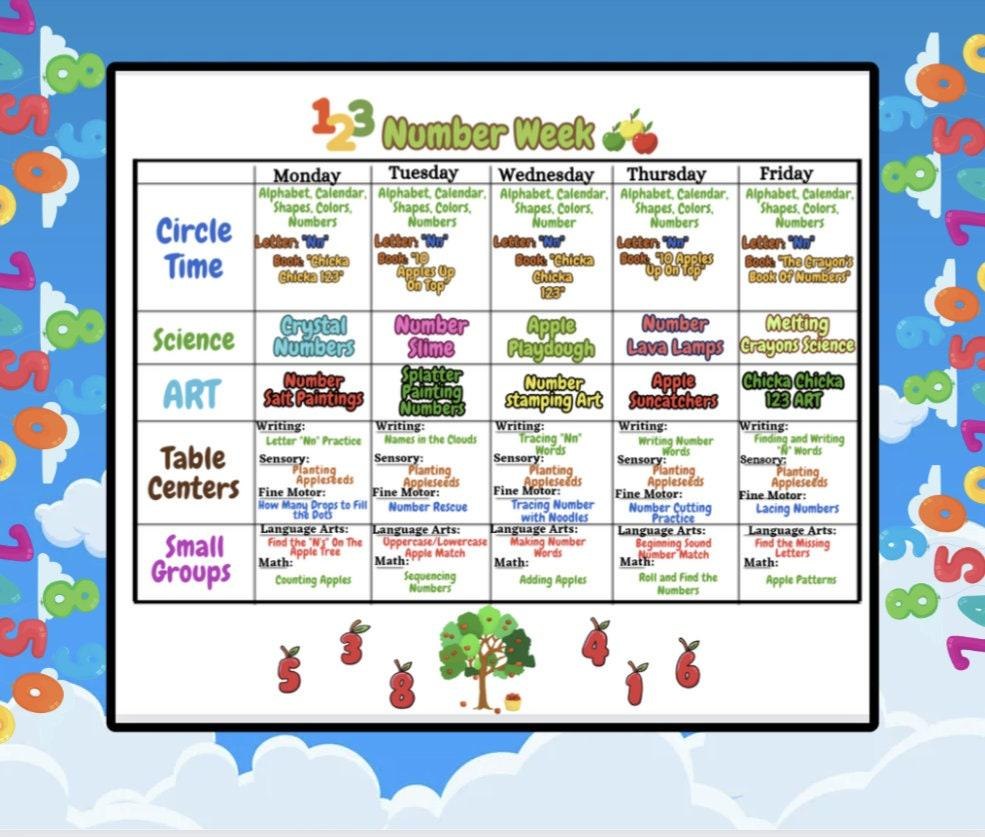
Develop an activity-based weekly plan integrating language, numeracy, movement, art, practical life and outdoor exploration.
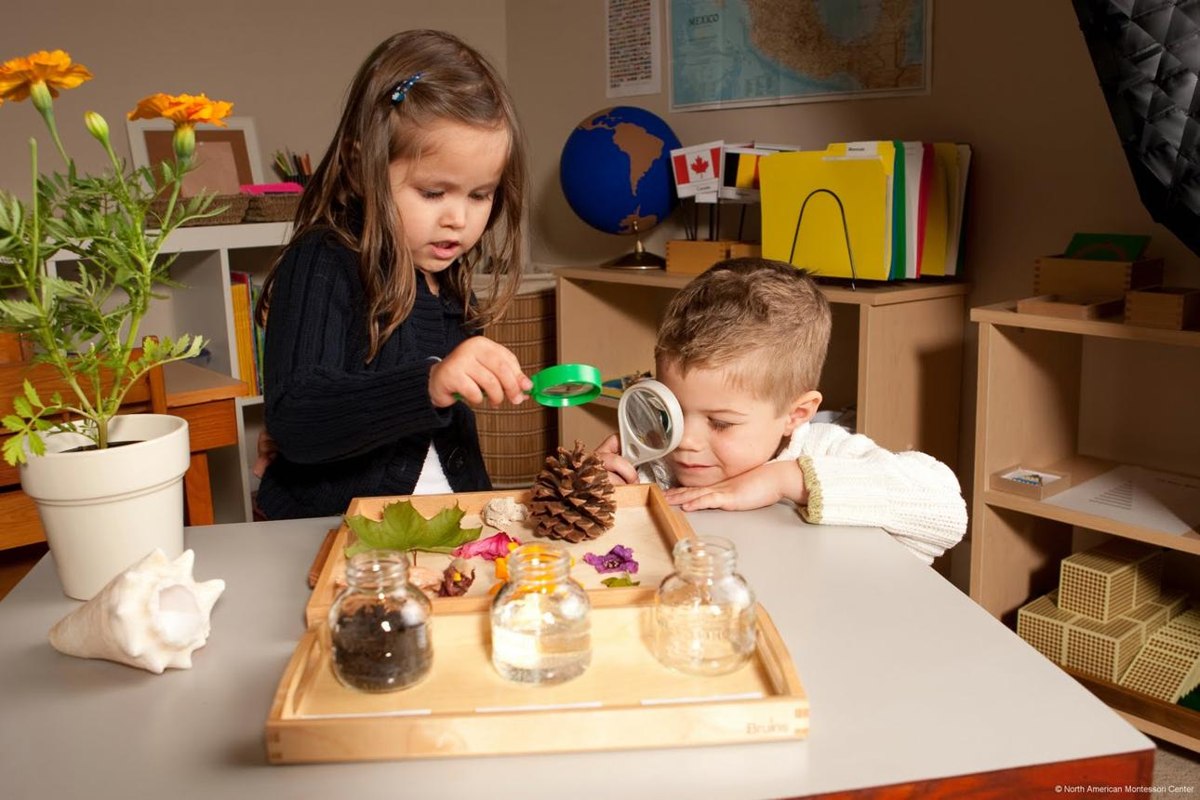
Design a nature table with age-appropriate sorting, observation and discussion activities using safe natural objects.

Prepare anonymised observation records, examples of children's work and reflective notes to document progress without labelling or comparing children unfairly.
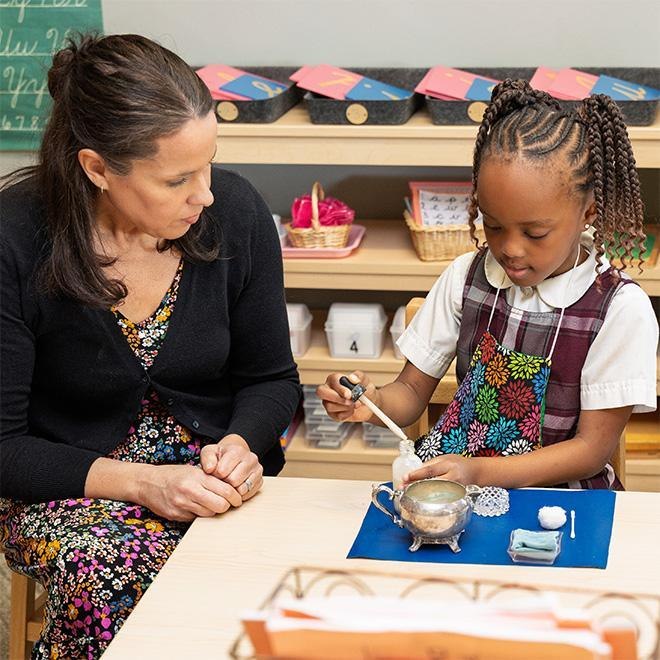
Deliver a short activity, receive mentor feedback and submit a reflection describing strengths, areas for improvement and the next teaching steps.
During the 420-hour internship, learners should progressively build a professional portfolio that may include:
During the 420-hour internship, learners should progressively build a professional portfolio using these records and practical activities.
Explain major developmental domains and plan activities appropriate to children's developmental needs.
Demonstrate suitable presentations using practical life, sensorial, language and mathematical materials.
Prepare lesson plans with clear objectives, materials, steps and observation criteria.
Use stories, sound games, manipulatives, counting activities and concrete learning aids.
Establish routines, promote independence and use respectful, positive behaviour guidance.
Maintain appropriate learning records and use observations to adapt activities.
Create teaching resources and portfolios while protecting children's privacy.
Complete supervised teaching practice, accept feedback and reflect on professional development.
Assessment methodology: Learners may be assessed through written assignments, material demonstrations, lesson planning, micro-teaching, portfolio review, internship attendance and mentor evaluation. Completion criteria, pass marks, attendance requirements and reassessment provisions should be specified in the institution's approved course regulations.
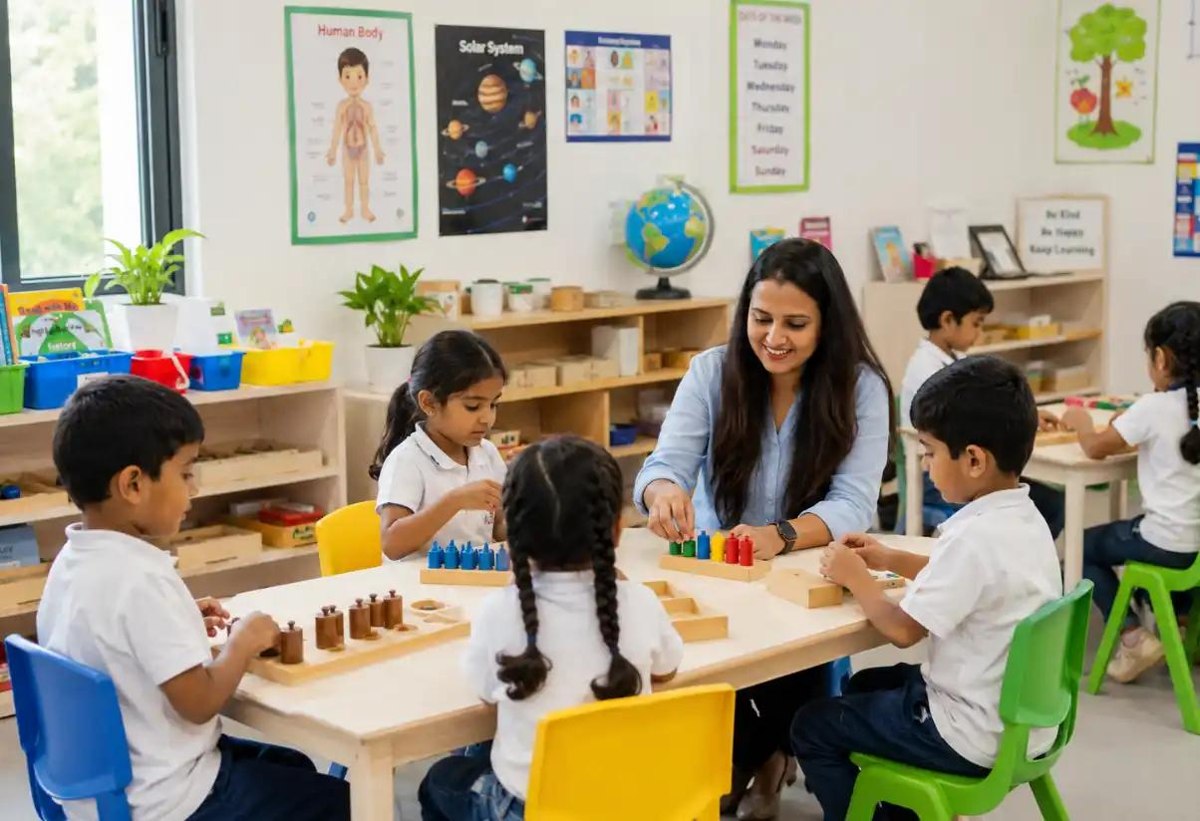
This qualification can support entry into early childhood education and related learning-support roles, depending on employer requirements and recognition of the issuing institution.
Explore preschool teaching opportunities subject to the school's qualification and recognition requirements.
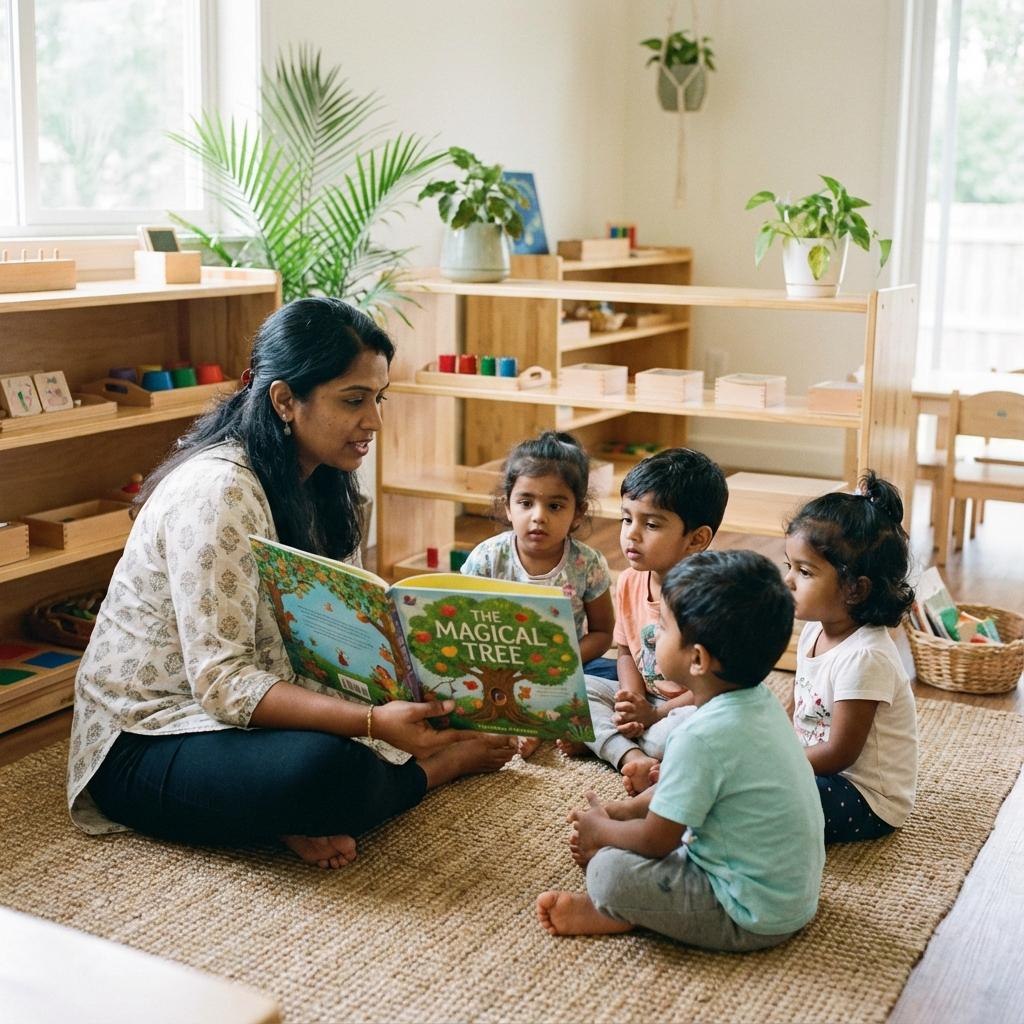
Support age-appropriate early learning and classroom activities, subject to employer eligibility criteria.

Assist with classroom routines, learning activities and communication under the school's policies.
Compare these planning ranges with current local opportunities. Pay varies by role, qualifications, experience and employer.
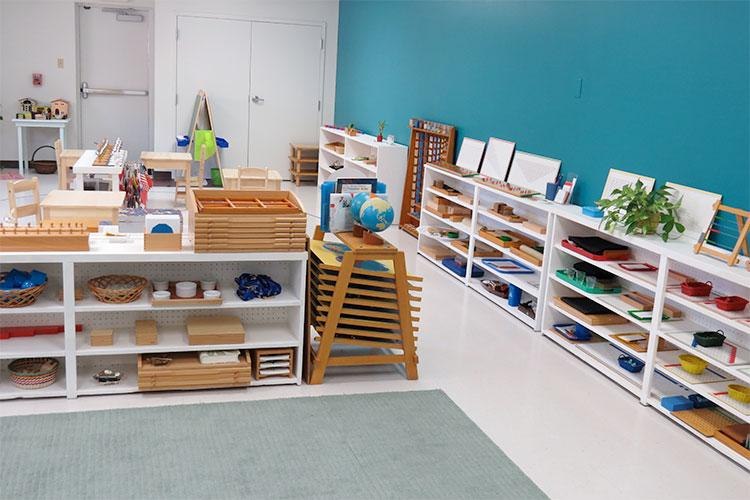
Explore a small early learning centre after evaluating demand, finances, staffing, premises, child safety and applicable local requirements.
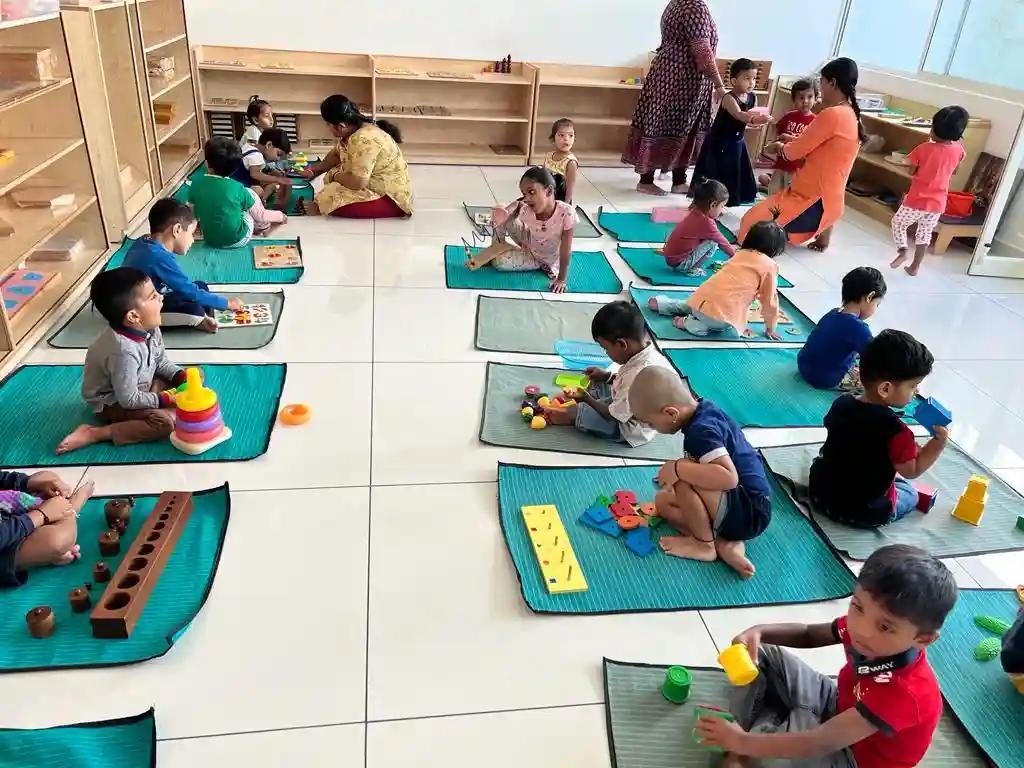
Consider a supervised childcare service with appropriate staffing, safeguarding practices and operating permissions.
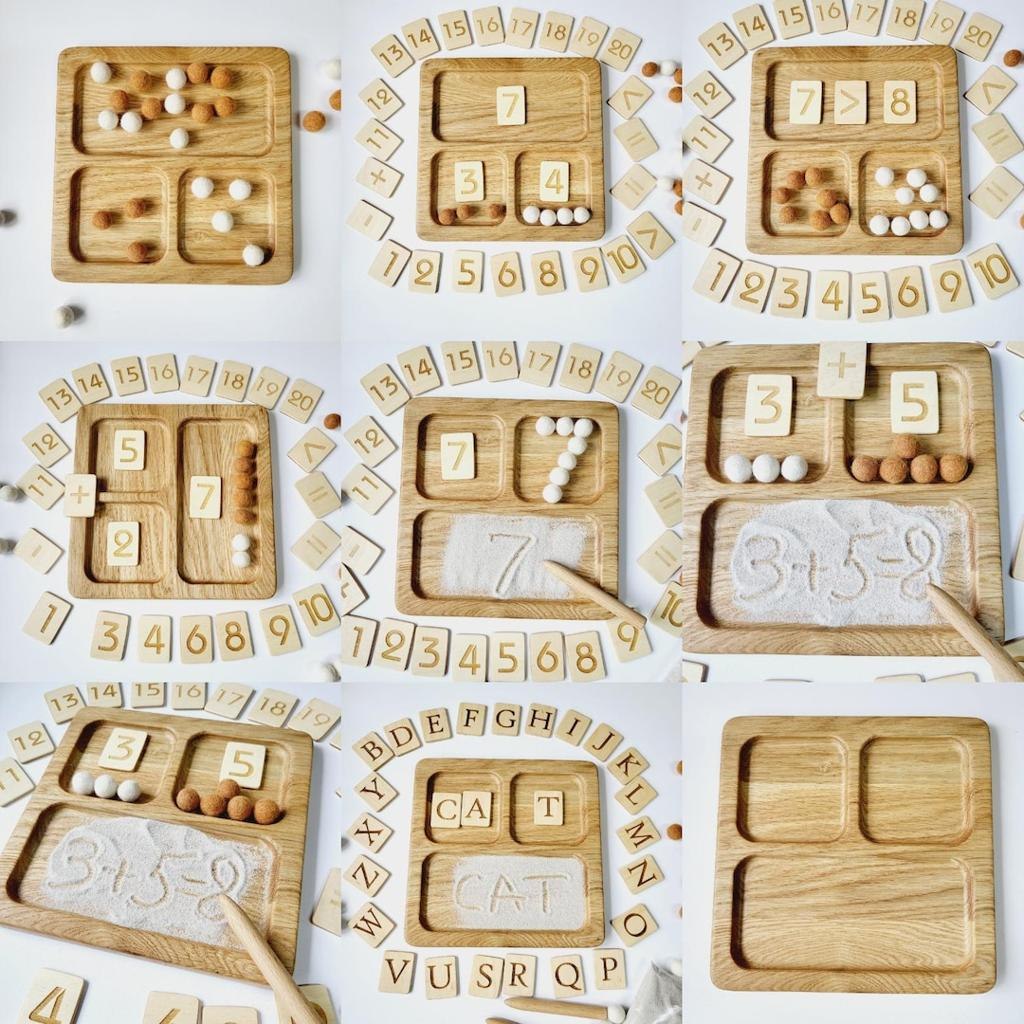
Develop and sell original teaching aids, sensory kits, literacy resources and classroom activity packs.
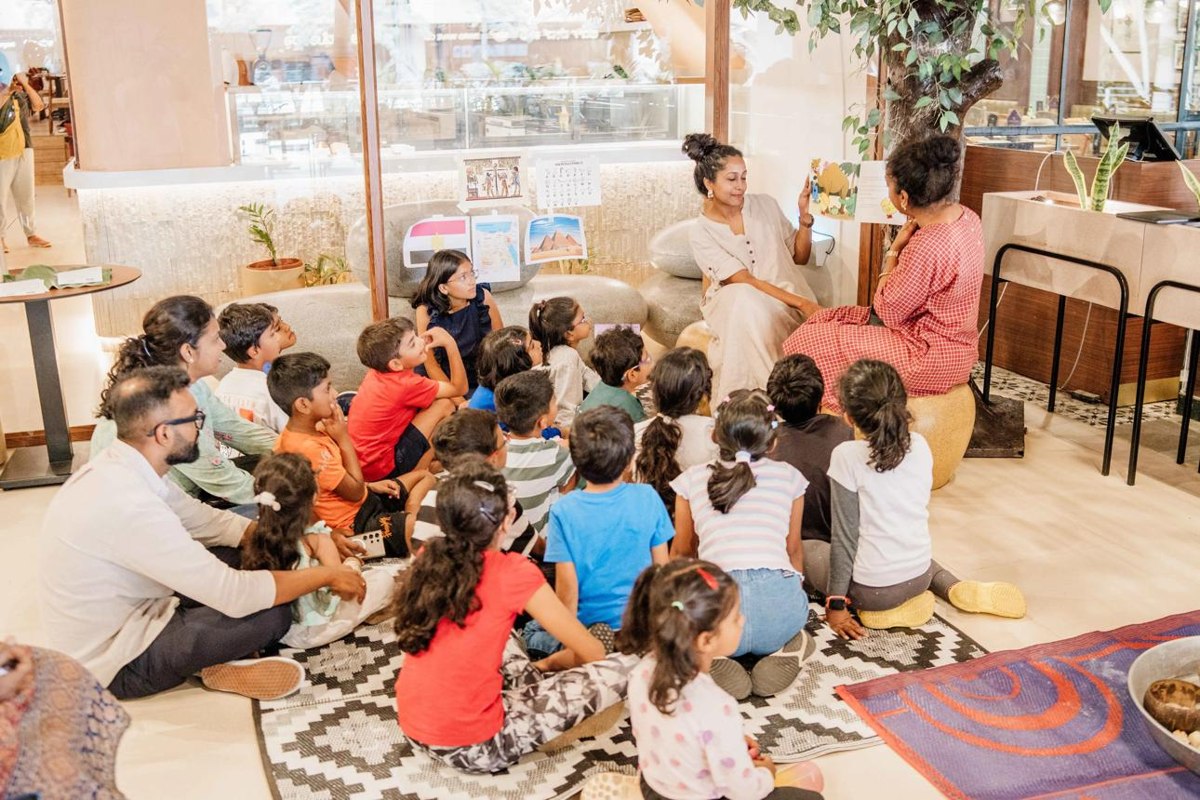
Organise storytelling, early literacy, art, music and school-readiness sessions within your competence and applicable requirements.
Build your future: A diploma does not automatically confer government recognition, eligibility for every formal teaching post, or permission to operate a school. Verify qualification requirements and local permissions before making career or business commitments.
Build classroom experience, learn routines and practise guided lesson delivery.
Develop independent lesson planning, classroom leadership and parent communication.
With suitable experience and qualifications, progress into team support, curriculum coordination or teacher mentoring.
Compare these planning ranges with current local opportunities. Pay varies by role, qualifications, experience and employer.
Discuss the issuing authority, assessment requirements and any separate provider exams with admissions.
Eligible learners who meet the approved training, internship and assessment requirements may receive a diploma from the stated awarding organisation.
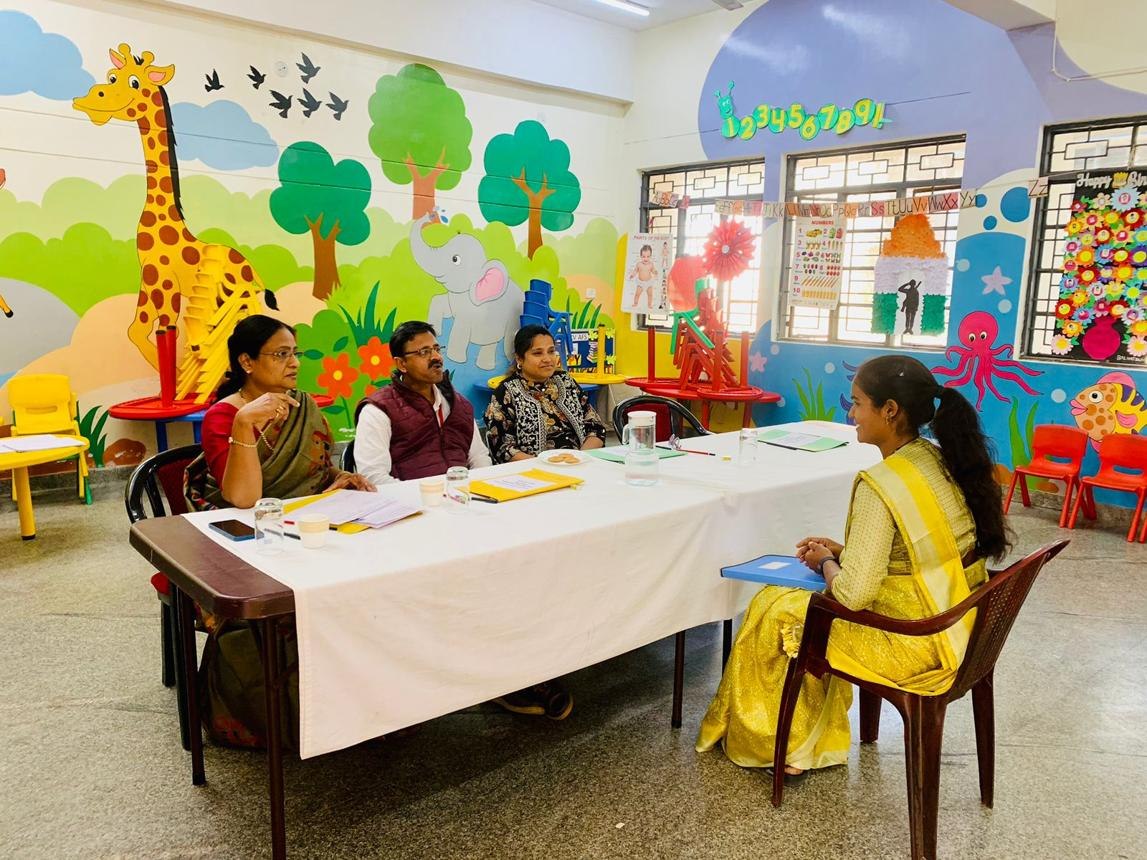
Our career support approach is designed to help learners prepare for recruitment and entry-level opportunities in preschools, Montessori centres, nursery schools, kindergartens and early learning environments. Confirm the services currently available.
Build a professional educator resume featuring teaching demonstrations, lesson plans, classroom projects, internship experience and relevant qualifications.
Practise common teacher interview questions, parent communication, classroom scenarios and professional self-introductions.
Learn how to present a Montessori material, explain a learning objective and manage a short activity for young children.
Support with identifying suitable vacancies, preparing applications and understanding school-specific eligibility criteria.
Maintain attendance, teaching practice records, supervisor feedback and a portfolio that can support future applications.
We aim to equip learners with practical teaching skills, professional confidence and resources to pursue suitable opportunities. Placement assistance may include vacancy information, application guidance and interview preparation, subject to availability. Any placement rate, employer partnership or recruitment commitment must be supported by actual institutional records.
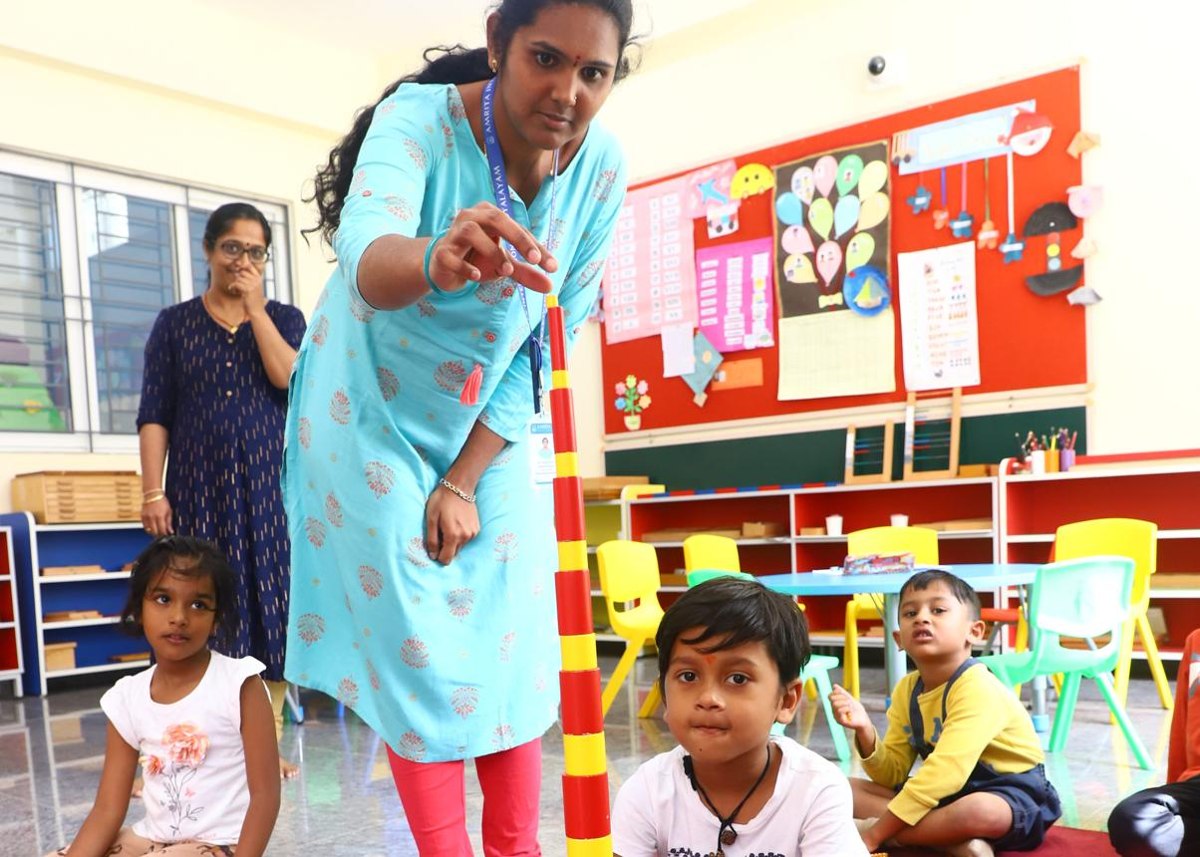
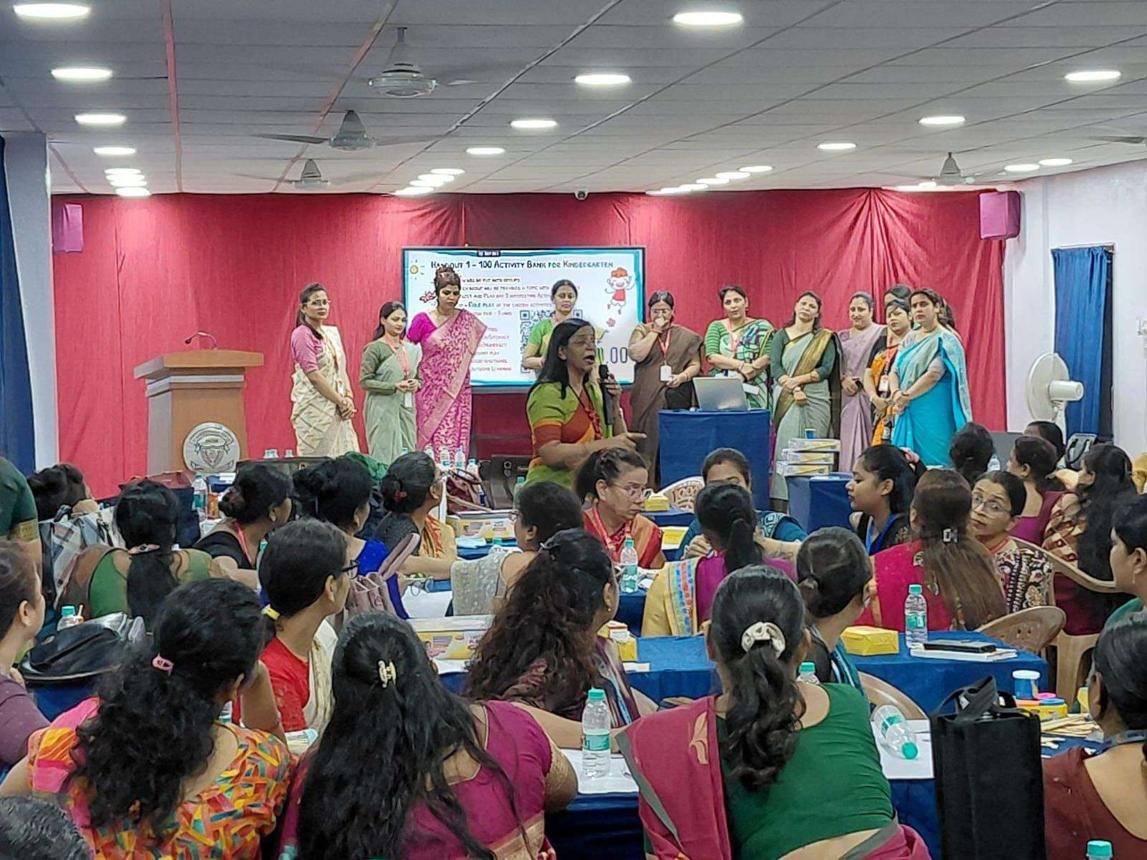
Early childhood education requires more than delivering activities. Educators need to observe children, understand their responses and adjust learning experiences to meet individual needs. Our approach to learning quality combines practical demonstrations, reflective teaching, structured observation and continuous feedback.
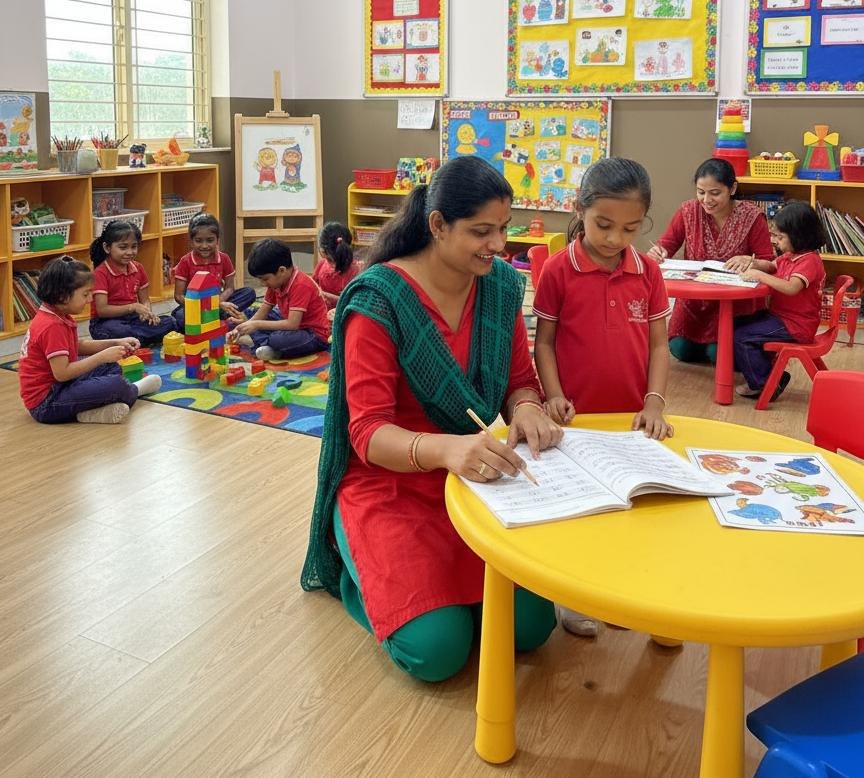
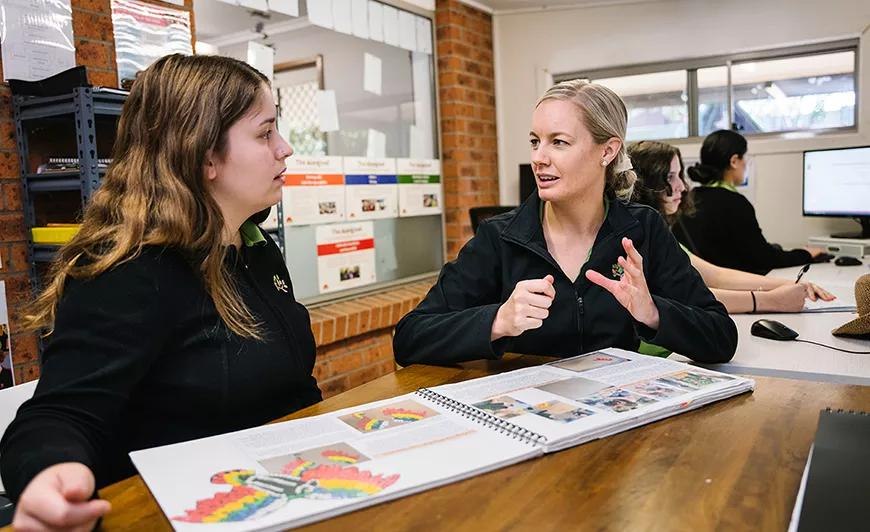
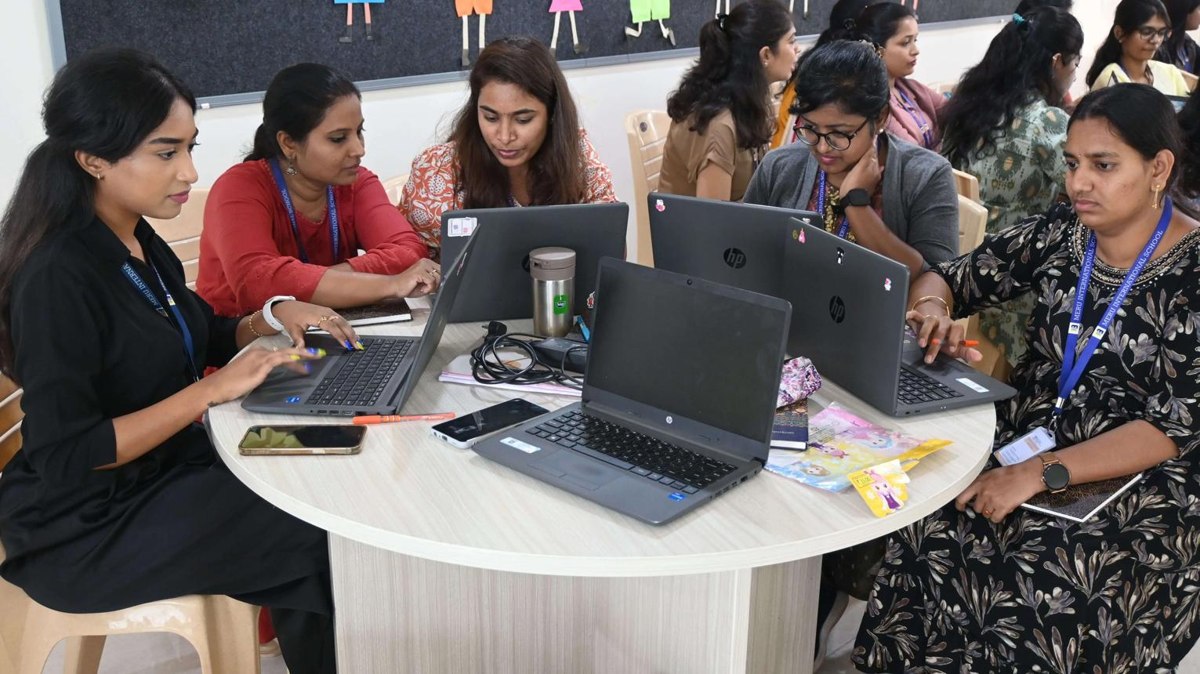
Track training attendance, completed modules, assignments, practical demonstrations and internship participation.
Assess lesson planning, material presentation, classroom readiness, communication, observation and reflective practice against defined criteria.
Use feedback from trainers and internship supervisors to identify strengths, close skill gaps and improve teaching performance.
Review teaching resources, child-safety practices, privacy, material suitability and adherence to host-school procedures.
Latest educational framework alignment: The programme can be designed with reference to India's NEP 2020 and NCF-FS 2022. The foundational stage covers ages 3-8 and emphasises play-based, activity-based and developmentally appropriate learning. Relevant themes include foundational literacy and numeracy, storytelling, art-integrated and experiential learning, inclusion, formative observation, meaningful documentation, home languages and cultural environments. The Ministry of Women and Child Development's 2024 Navchetna framework (birth to three years) and Aadharshila curriculum (ages three to six) offer additional educational references. Our quality promise: develop educators who plan intentionally, teach patiently, observe carefully, protect children's wellbeing and continue improving their professional practice.
Learn from Industry Experts and Experienced Professionals.

10 years of Experience

10 Years of Experience
Explore example Montessori teaching projects and learning journeys.
Learner
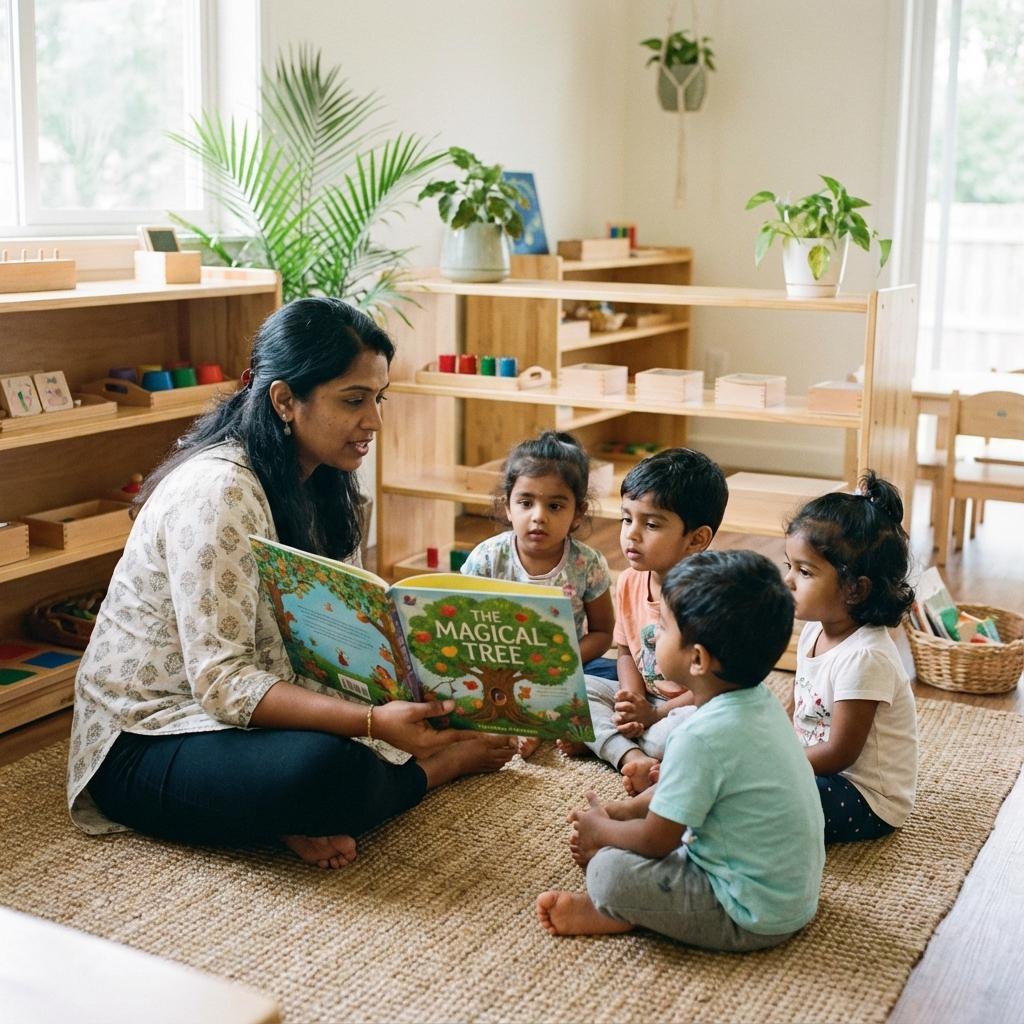
My teaching demonstrations and internship experience helped me practise storytelling, classroom routines and age-appropriate learning activities.
Practice focus: Practising storytelling, classroom routines and age-appropriate learning activities.
Learner
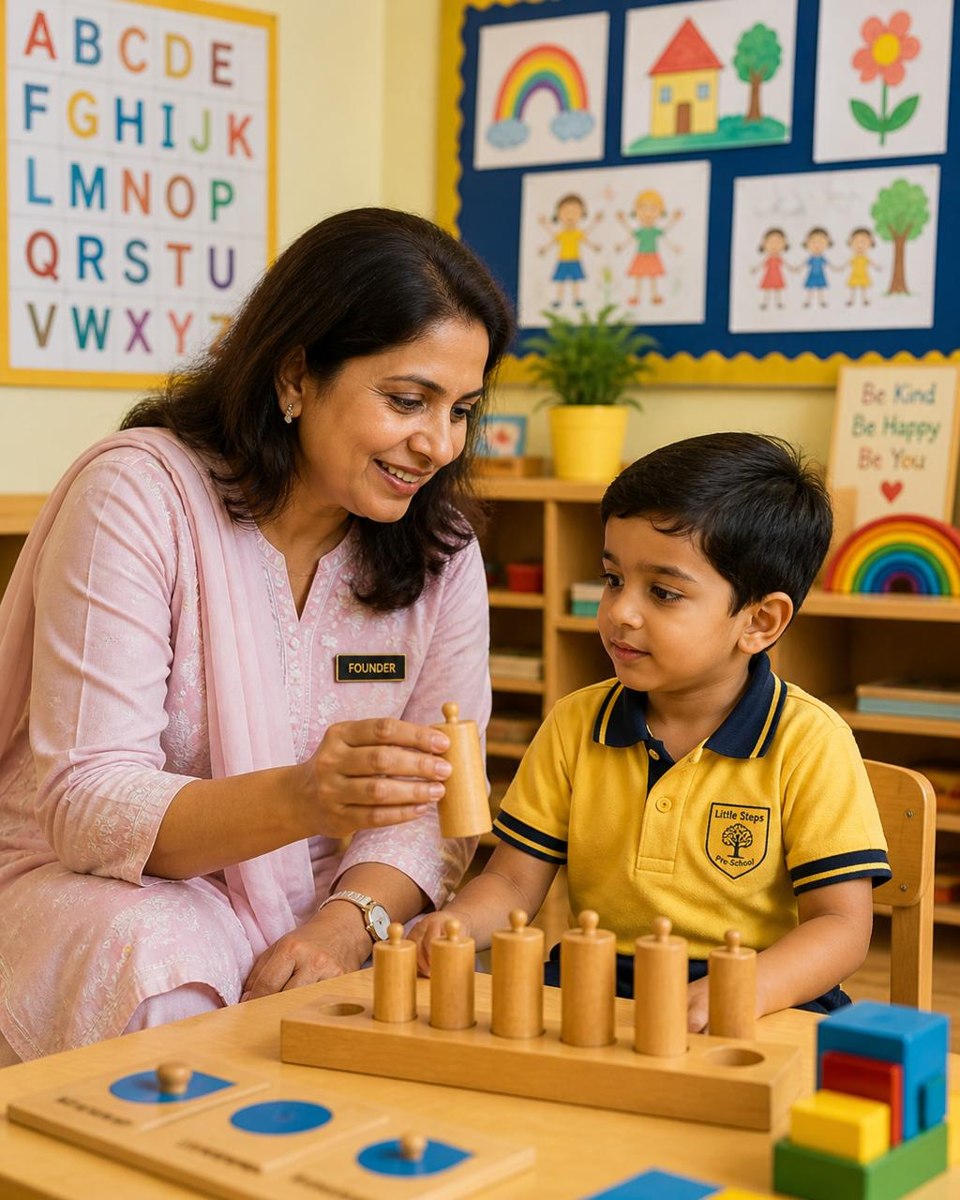
Preparing teaching aids and receiving mentor feedback helped me connect child development concepts with everyday classroom practice.
Practice focus: Connecting child development concepts with classroom practice through teaching aids and mentor feedback.
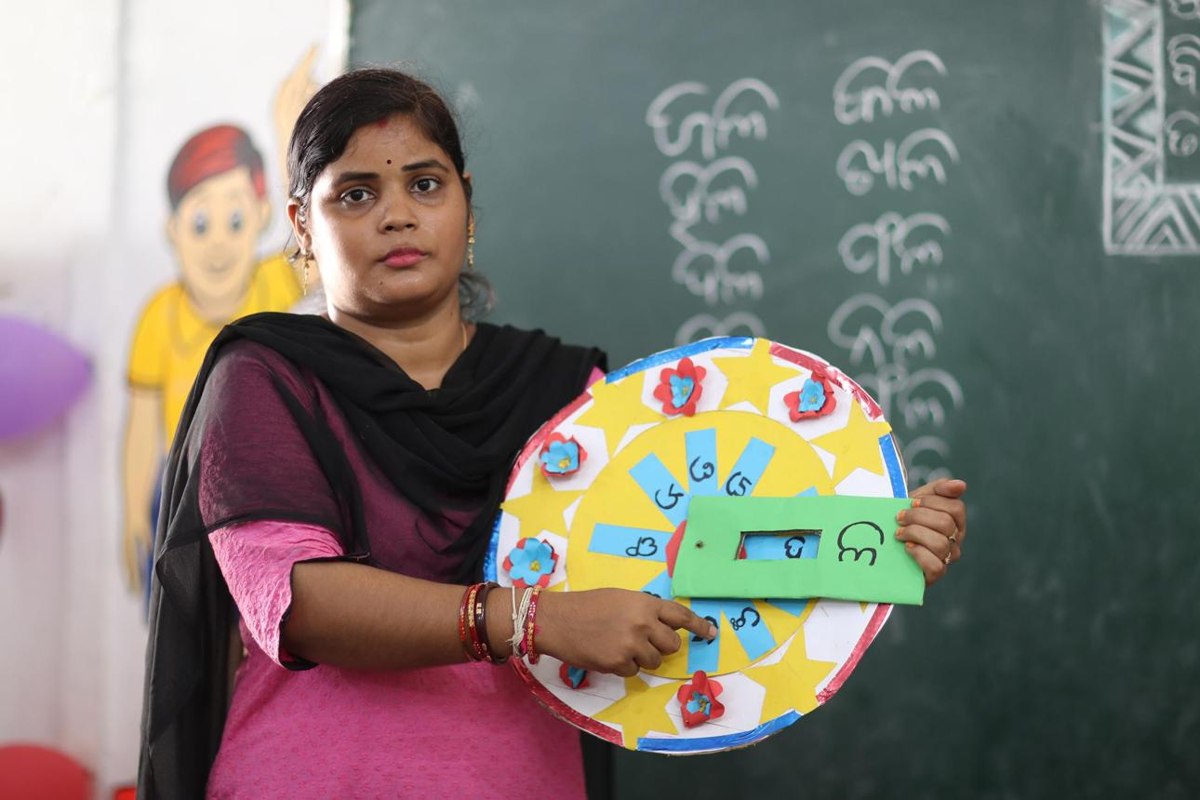
Learner
The structured learning programme gave me an opportunity to strengthen my knowledge and prepare for a career in early childhood education.
Practice focus: Strengthening early childhood education knowledge through structured professional learning.
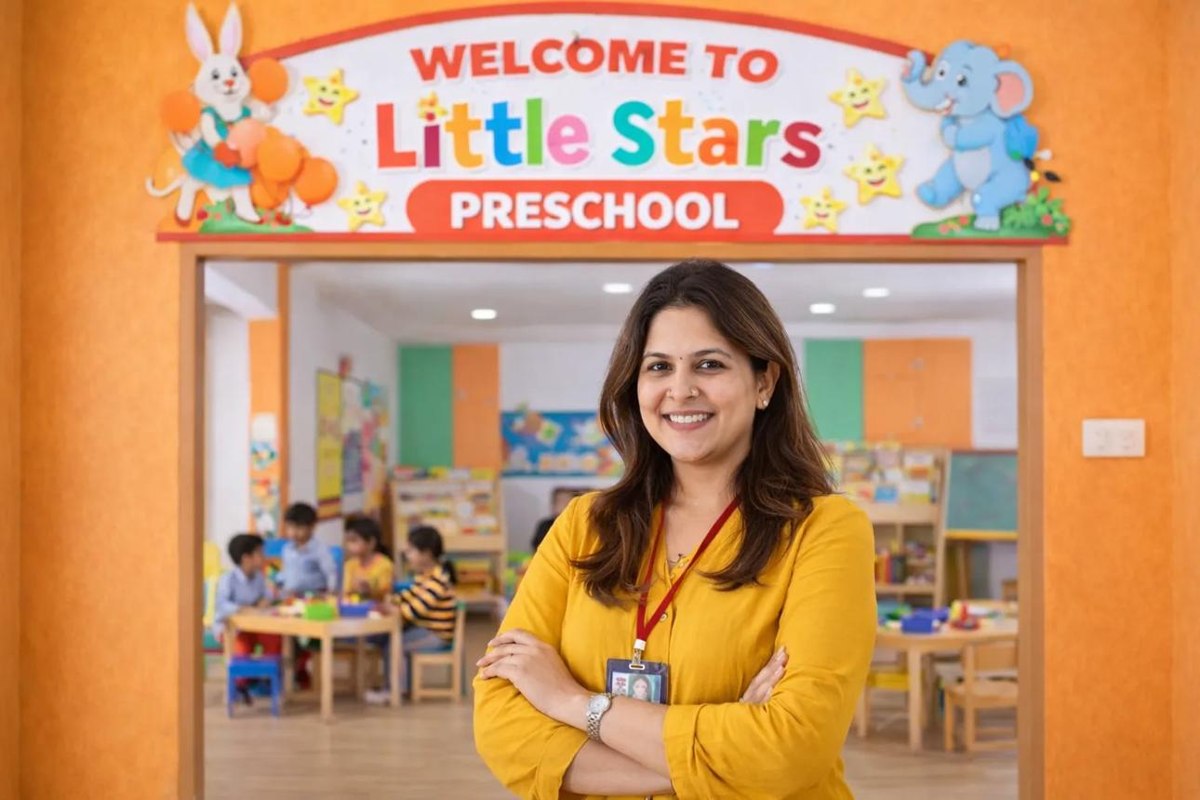
Learner
The course helped me explore Montessori classroom planning, teaching materials and the practical considerations involved in developing an early learning service.
Practice focus: Exploring classroom planning, teaching materials and the requirements for an early learning service.
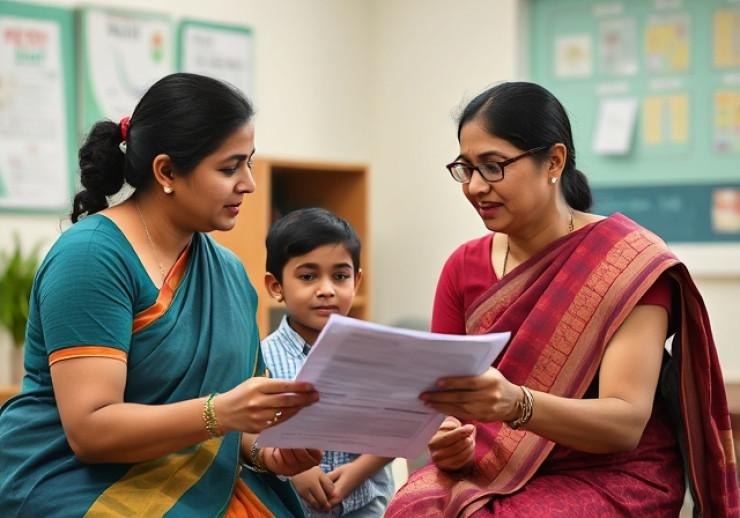
Learner
Through lesson planning, observation records and supervised teaching practice, I developed a clearer understanding of professional classroom responsibilities.
Practice focus: Understanding professional classroom responsibilities through planning, observation and supervised practice.
Have you completed the Diploma in Montessori and Early Childhood Education? Share your experience, practical projects and professional milestones with our learning community.
Share your learning journeyIt is a career-oriented teacher preparation programme covering Montessori methodology, child development, practical classroom activities, lesson planning, observation, inclusive education and supervised teaching practice.
The course duration is 180 hours training + 420 hours internship. Contact admissions for batch dates and the detailed timetable.
The programme includes a 420-hour internship. Confirm compulsory attendance, completion requirements, exemptions and any alternatives in the institution's approved regulations.
The programme is intended for aspiring educators, school assistants, caregivers and education entrepreneurs. Minimum educational qualifications and admission requirements must be confirmed with ECAREERPLUZ; the entry qualification for this Diploma is not yet confirmed.
The foundational modules introduce Montessori and early childhood education concepts. Confirm beginner eligibility and any experience requirements under the admission policy.
The ten modules cover Montessori foundations, child development, practical life, sensorial education, language, mathematics, creative learning, classroom safety and inclusion, lesson planning, digital documentation and professional practice.
Host schools and placement arrangements have not been confirmed here. Contact ECAREERPLUZ about approved hosts, supervision, location, safeguarding, attendance and any additional costs before enrolling.
Eligible learners who meet the published training, internship and assessment requirements may receive a diploma from the stated awarding organisation. Verify the issuing authority and approved completion regulations.
No government recognition or NCTE approval is confirmed on this page. Verify the specific awarding body's authorisation and supporting documents. Educational framework alignment does not establish recognition.
You may explore suitable vacancies, but eligibility depends on the employer, prior qualifications, experience and recognition of the awarding institution.
Actual pay depends on city, school, role, qualifications, practical competence and experience.
The programme can support planning, but a diploma is not permission to operate a school or childcare service. Research local approvals, premises, finances, staffing and safeguarding requirements.
Online, offline or blended delivery for this Diploma has not been confirmed. Ask ECAREERPLUZ about the selected batch and the arrangements for supervised practical work and internship.
The suggested methods include written assignments, material demonstrations, lesson planning, micro-teaching, portfolio review, internship attendance and mentor evaluation. Confirm pass marks, attendance and reassessment rules.
The proposed plan may reference NEP 2020, NCF-FS 2022, Navchetna 2024 and Aadharshila 2024. Confirm their inclusion in the approved syllabus. References are educational, not government endorsement.
Ask our team about available career guidance, portfolio preparation and interview practice. Employers make their own selection decisions based on skills, qualifications and vacancies.
Course fee: INR 25,000 + 18% GST (INR 4,500). Total including GST: INR 29,500. Confirm exclusions, materials, assessments and payment options with admissions.
Speak to our team about the current course plan, admission policy and learning options.
Build a foundation in Montessori teaching, child development and practical early childhood education. Review the proposed course plan and confirm delivery details with our team.
Explore skills, try a small project and find your learning direction.
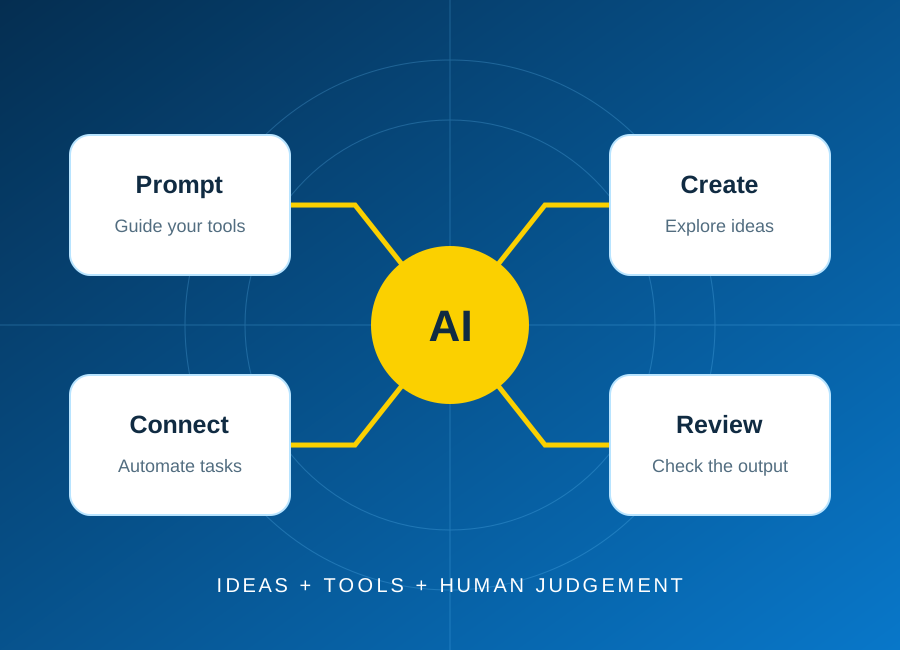
Start with one repeatable task, keep a person in control, and test the result before connecting real business data.
Read article: Plan your first AI automation project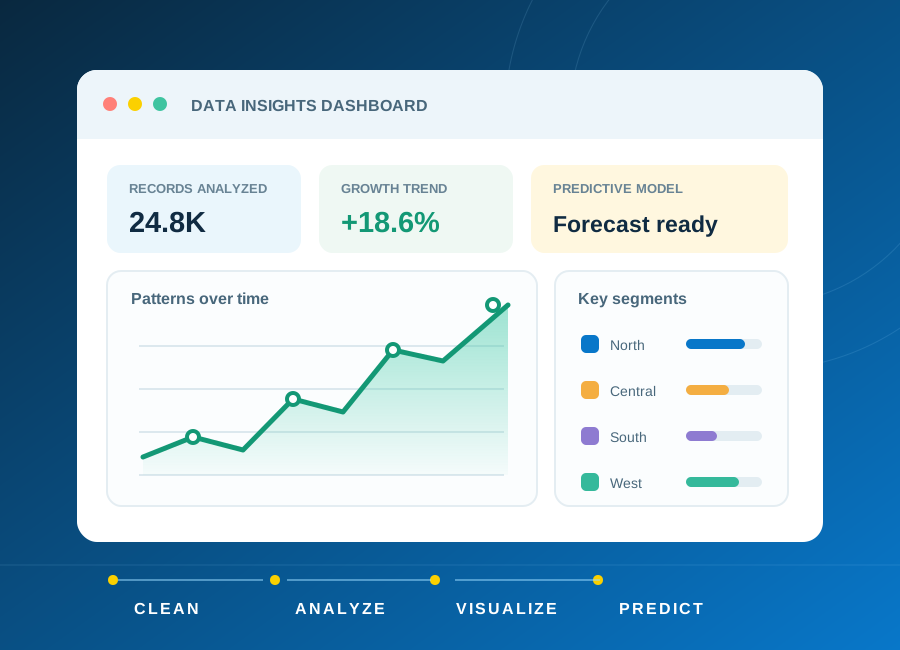
Learn how to frame a question, clean a small dataset and choose charts that explain rather than distract.
Read article: From raw data to a clear, useful dashboard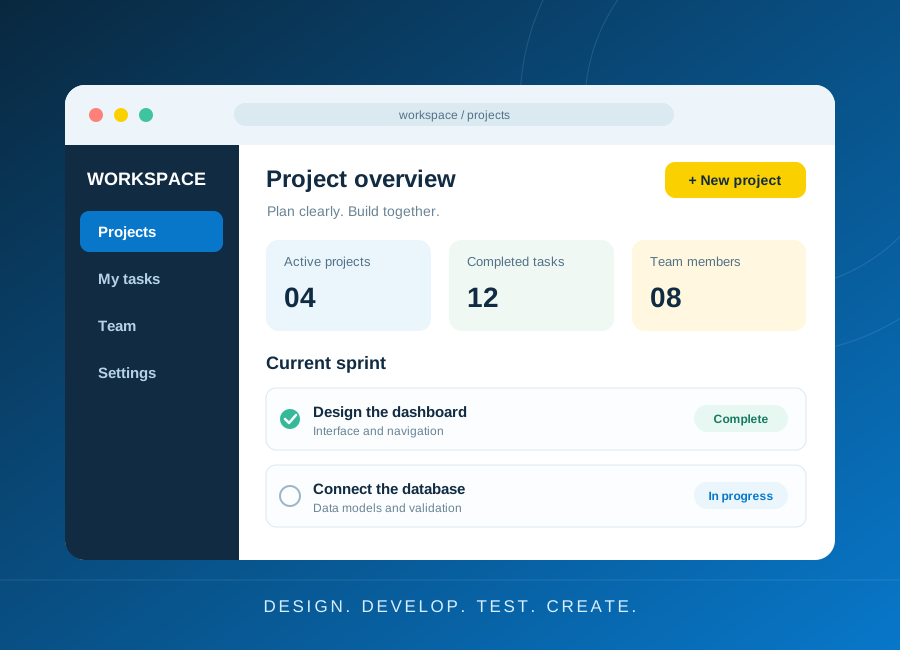
Turn a small idea into a working application with a clear data model, accessible forms and meaningful tests.
Read article: Build a first web application you can explain