240-hour learning plan
Eight progressive modules cover web development, Java, databases, APIs, testing, and capstone work.

Course fee: INR 30,000 + 18% GST (INR 5,400). Total including GST: INR 35,400.
Confirm exclusions, materials, assessments and payment options with admissions.
Design. Develop. Integrate. Build.
Course duration: 240 hours. Contact admissions for batch dates, daily timings and delivery arrangements.
Eight progressive modules cover web development, Java, databases, APIs, testing, and capstone work.
Explore HTML, CSS, JavaScript, React, Java, Spring Boot, and database integration.
Apply concepts through guided applications and a final capstone project.
Practise Git-based collaboration, API testing, debugging, and deployment fundamentals.
The Java Full Stack Developer program is designed for students, graduates, freshers, and aspiring software professionals who want to build a foundation in web application development.
This 240-hour program covers both front-end and back-end development. Learners begin with programming and web technologies, then progress to Java, object-oriented programming, database management, Spring Boot, API development, testing, and application deployment fundamentals.
Through practical exercises, guided projects, coding assignments, and a final capstone project, students explore how the parts of a web application can work together. Project scope, software versions, deployment environment, fees, and batch details should be confirmed with ECAREERPLUZ.
For learners exploring software and web application development.
For B.E., B.Tech., B.Sc., BCA, MCA, and related learners seeking structured practice.
Prior programming experience is not mandatory; regular practice is important.
Explore a structured path for upgrading programming and application-development skills.
Build foundational skills for developing web application prototypes and projects.
The eight modules form a 240-hour sequence from web foundations and Java through Spring Boot, databases, React, testing, and a full-stack capstone.
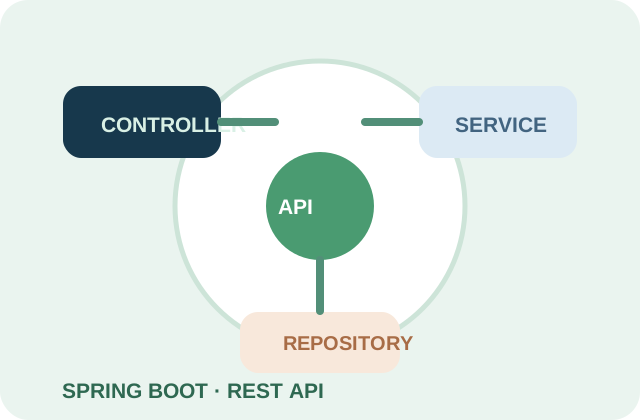
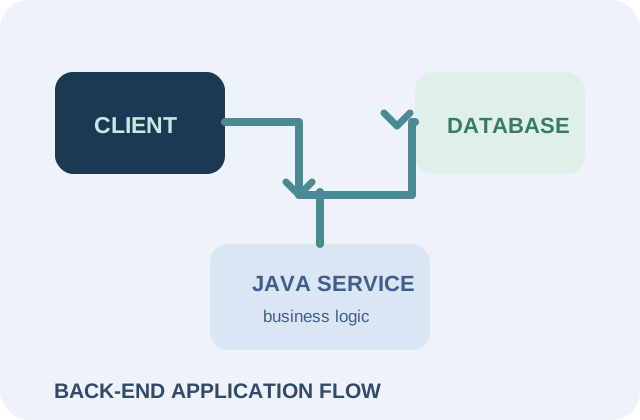
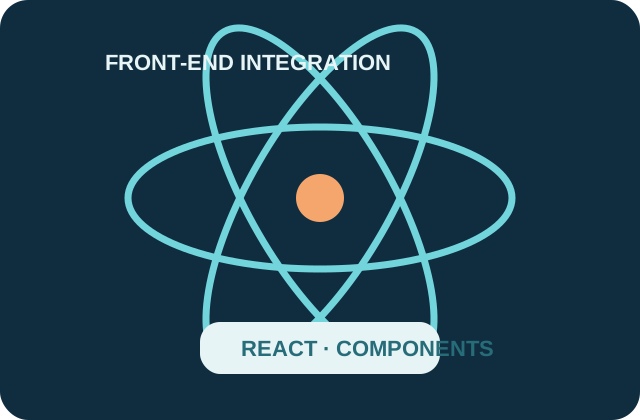
The eight module durations add up to 240 hours, including the capstone project. Confirm how instruction, practice, assessments, and project hours are scheduled for the current batch.
The course names technologies for user interfaces, Java services, database access, version control, testing, and project work.
Create semantic pages, responsive layouts, interactive components, and browser-side behaviour.
Explore components, props, state, hooks, forms, validation, and API integration.
Develop Java application logic and explore structured Spring Boot services and REST APIs.
Practise relational queries, database relationships, and Java persistence concepts.
Explore dependency management, source-code history, unit testing, and API testing workflows.
Use suitable development environments for coding, debugging, and project work.
Tool names describe this course. They do not imply provider partnerships, included subscriptions, or confirmed versions. Ask ECAREERPLUZ which tools are used in your batch. The exact tools and versions may vary by batch. Confirm installation, device, database, account, and any subscription requirements with the course team. Docker, cloud deployment, and additional frameworks are enrichment topics only where confirmed for the specific batch.
These practice projects combine user interfaces, Java services, data storage, and API integration. Confirm final project requirements, features, and payment-provider setup before starting.
Manage student profiles, course enrolments, attendance, and academic records through a full-stack application.
Java, Spring Boot, React, MySQL, REST APIs
Build product listings, search, a shopping cart, user accounts, and order management. Use a simulated checkout or a sandbox payment integration.
React, Spring Boot, SQL, authentication, API integration
Develop an application for employee information, departments, leave requests, and role-based access.
CRUD operations, Java, database relationships, validation
Create tasks, assign team members, update progress, set deadlines, and display project status.
React, REST APIs, Spring Boot, Git, database design
A capstone submission may include source code, a repository, database schema, API documentation, test cases, project documentation, and a demonstration.
By the end of this program, learners should be able to:
The course provides a foundation for pursuing developer roles, subject to practical proficiency, portfolio quality, continued learning, and employer requirements.
Java full-stack skills may support career exploration across IT services, software products, startups, and enterprise technology teams. Role requirements and compensation vary by location, skills, interviews, projects, employer, and market conditions.
Work on Java features, bug fixes, and support for existing applications, subject to role requirements.
Build server-side services, database integrations, and REST APIs with continued practice.
Work across user interfaces, back-end services, and databases as skills and experience develop.
Contribute to application design, testing, development, and maintenance with appropriate proficiency.
Explore business websites, portals, dashboards, and custom software within your competence and client scope.
Compare these planning ranges with current local opportunities. Pay varies by role, qualifications, experience and employer.
Build your future: A strong portfolio, practical coding ability, problem-solving, communication, and continued learning can support career development. Business.
ECAREERPLUZ aims to support learners preparing for entry-level software-development opportunities. Confirm the institution's current services, policy, eligibility, and availability before enrolment.
Prepare a professional resume, present project work, and organise a GitHub portfolio.
Practise Core Java, object-oriented programming, SQL, coding exercises, REST APIs, and project questions.
Practise a self-introduction, workplace communication, interview confidence, and professional presentation.
Explore relevant openings, application processes, and recruitment preparation.
Where available, eligible learners may receive interview referrals or recruitment opportunities through employer connections.
Any specific commitments must follow the institute's published policy.
Certificate eligibility, the issuing authority, and course-completion requirements have not been confirmed.
Confirm the certificate type, issuing authority, attendance and assessment requirements, and completion criteria with ECAREERPLUZ before enrolment.
Confirm attendance and course-completion criteria with ECAREERPLUZ.
Ask whether module assessments, project reviews, or a capstone are required.
Confirm the issuing authority and certificate format before enrolment.
Explore example software engineering projects and learning journeys.
Graduate learner
A learner progresses from programming fundamentals to a full-stack project and presents the work in a portfolio.
Practice focus: Builds and explains a sample application; no employment outcome is implied.
Early-career learner
A learner practises hands-on assignments and interview preparation to develop confidence explaining technical work.
Practice focus: Organises project practice and technical preparation in a portfolio.
Project-based learner
A learner explores teamwork, API integration, GitHub portfolios, and a final project demonstration.
Practice focus: Presents project work and identifies next development skills.
Software learner
A learner reviews verified milestones such as interviews or internships as they continue developing skills.
Practice focus: Example learning theme only; not a claim about an actual placement or achievement.
Effective software training combines progressive instruction, regular coding practice, feedback, and review of learning outcomes.
Progress from programming fundamentals to full-stack topics with module objectives.
Reinforce concepts with practical assignments, debugging, and application-building activities.
Use quizzes, code reviews, module assessments, and project evaluations to identify areas for improvement.
Review attendance, assignment completion, assessment results, and project milestones where these are part of the institute's process.
Practise integrating interfaces, back-end services, APIs, and databases.
| Area | Example metrics |
|---|---|
| Module learning | Review progress through the confirmed modules and learning objectives. |
| Coding and testing | Discuss code correctness, debugging, API tests, and unit tests. |
| Project milestones | Review integration, documentation, tests, and capstone demonstrations. |
These are learning-support activities for this course. Confirm actual teaching, assessment, and progress-tracking arrangements with ECAREERPLUZ.
Learn from Industry Experts and Experienced Professionals.




It is a 240-hour course covering front-end development, Core Java, back-end fundamentals, Spring Boot, databases, React, testing, version control, and capstone work.
The course duration is 240 hours. Contact admissions for batch dates and the detailed timetable.
The course guidance explains that prior programming experience is not mandatory, but basic computer knowledge and regular coding practice are helpful. Confirm formal eligibility with admissions.
This course is designed for computer science learners as well as other students, graduates, beginners, and professionals. Ask ECAREERPLUZ to confirm its current eligibility requirements.
Java is the main back-end programming language. The outline also includes HTML, CSS, JavaScript, and React for front-end development, plus SQL for databases.
Yes. The curriculum includes Spring Boot and REST API development, as well as React fundamentals and front-end integration.
Suggested projects include a student management system, e-commerce application, employee management portal, task tracker, and a final capstone. Confirm the final project scope with the course team.
The program is described for students, graduates, freshers, and aspiring software professionals. Job readiness depends on practical proficiency, projects, and employer requirements.
Confirm certificate eligibility, the issuing authority, completion requirements, and assessment policy with ECAREERPLUZ before enrolment.
Ask our team about available career guidance, portfolio preparation and interview practice. Employers make their own selection decisions based on skills, qualifications and vacancies.
Potential pathways may include junior Java developer, back-end developer, full-stack developer, software engineer, or freelance web application work, depending on proficiency and employer requirements.
Basic computer knowledge is helpful. Prior programming experience is not mandatory, but regular practice is important. Confirm devices, software setup, schedule, and eligibility with admissions.
Course fee: INR 30,000 + 18% GST (INR 5,400). Total including GST: INR 35,400. Confirm exclusions, materials, assessments and payment options with admissions.
Confirm course duration, fees, upcoming batch, learning mode, and final curriculum with our team.
Request course details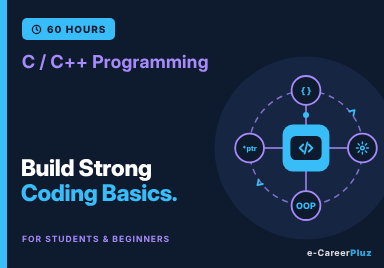
Build a strong foundation in programming with C and C++, logical problem-solving, debugging, and guided mini-projects. 60 hours.
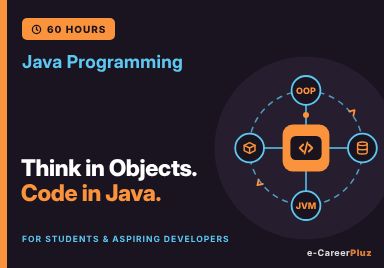
Build a Java programming foundation through guided lessons, practical coding exercises, object-oriented concepts, and a final project. 75 hours.
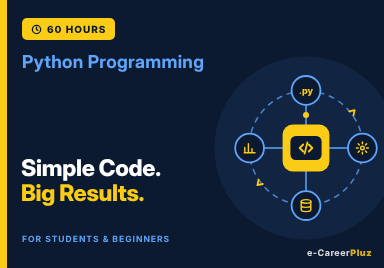
Build Python programming and problem-solving skills through guided lessons, coding exercises, and a practical mini-project. 60 hours.
Explore skills, try a small project and find your learning direction.
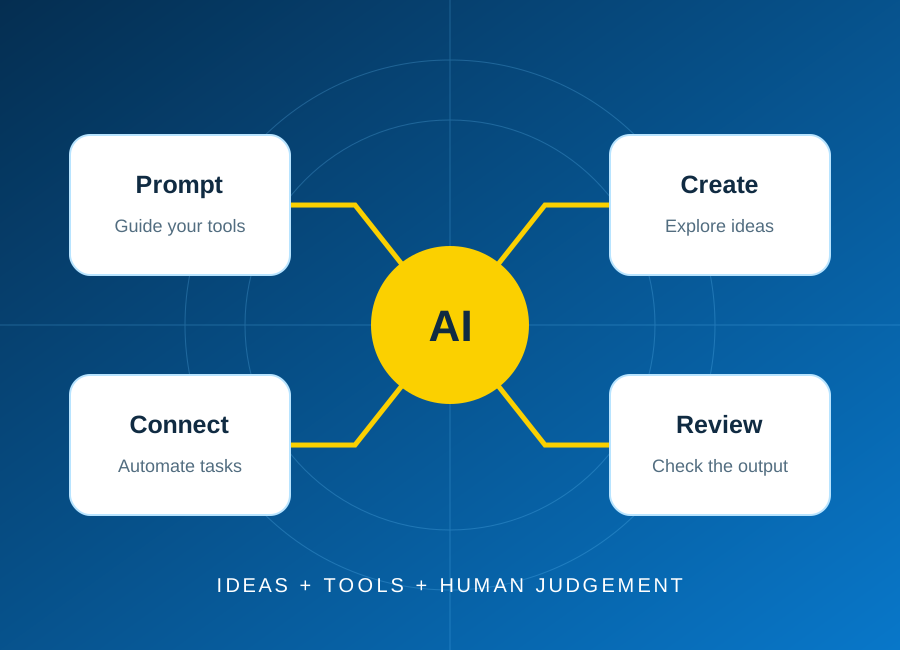
Start with one repeatable task, keep a person in control, and test the result before connecting real business data.
Read article: Plan your first AI automation project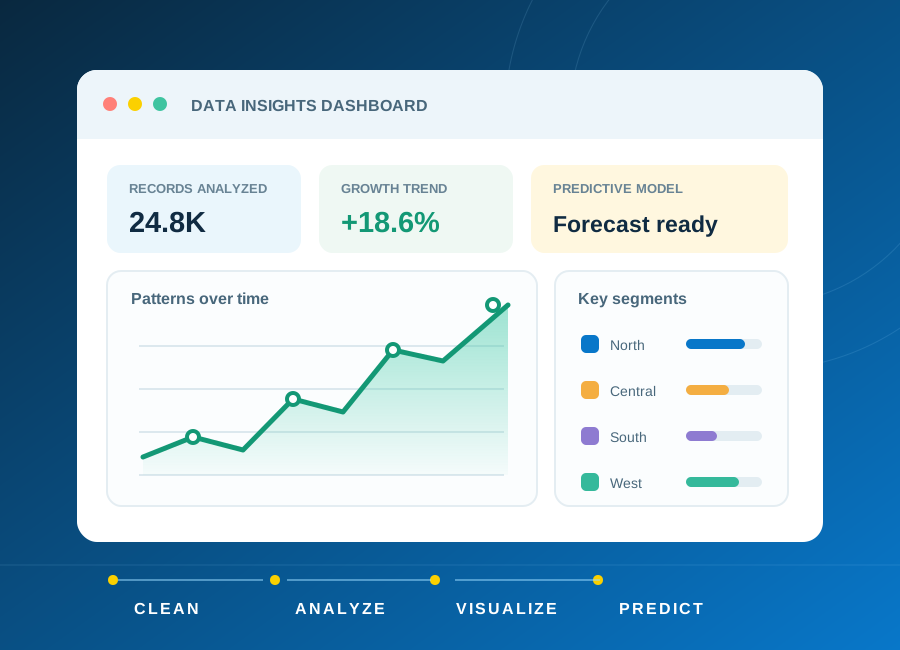
Learn how to frame a question, clean a small dataset and choose charts that explain rather than distract.
Read article: From raw data to a clear, useful dashboard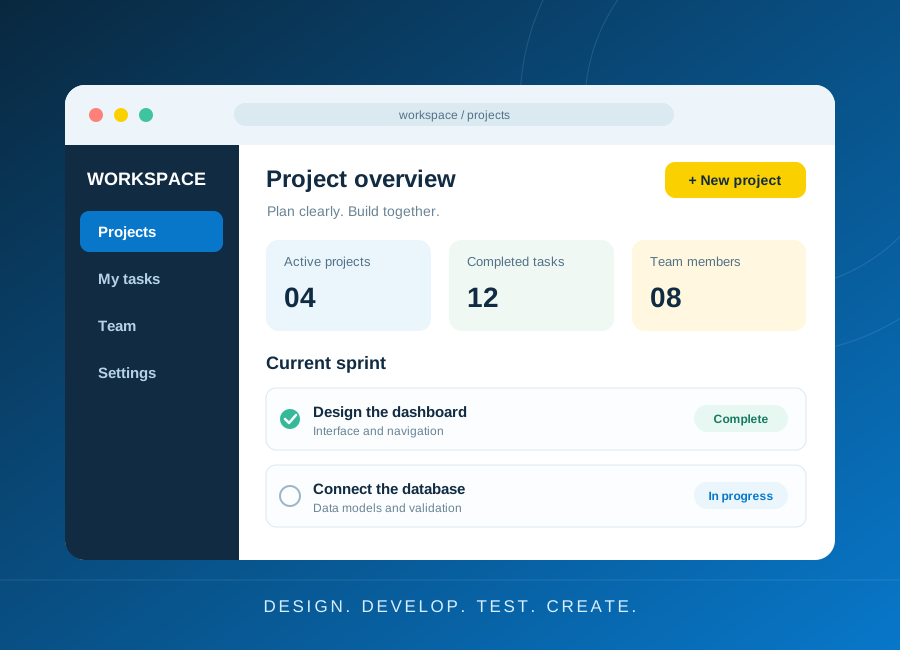
Turn a small idea into a working application with a clear data model, accessible forms and meaningful tests.
Read article: Build a first web application you can explain