90 Hours
A structured curriculum across eight learning modules.


Course fee: INR 22,000 + 18% GST (INR 3,960). Total including GST: INR 25,960.
Confirm exclusions, materials, assessments and payment options with admissions.
Turn Massive Data into Meaningful Business Insights
Python & SQL · Hadoop Fundamentals · Apache Spark & PySpark · Data Pipelines · Cloud Analytics
Explore Python, SQL, distributed processing, data pipelines, cloud concepts, and visualization in a 90-hour learning path.
Course duration: 90 hours. Contact admissions for batch dates, daily timings and delivery arrangements.
A structured curriculum across eight learning modules.
Guided coding exercises and sample-data workflows.
Explore Python, SQL, Hadoop, Apache Spark, and cloud platform concepts.
Practise processing, validation, analysis, and communicating results.
Turn massive data into meaningful business insights.
This 90-hour practical training program introduces the collection, processing, storage, and analysis of large structured and unstructured datasets. Learners explore Python, SQL, Hadoop and Spark concepts, data pipelines, cloud analytics, and visualization through guided exercises and sample projects.
The course is intended for students, graduates, IT professionals, analysts, and aspiring data engineers. Basic computer knowledge is recommended. Familiarity with Python, SQL, or programming fundamentals can be helpful, but the curriculum starts with foundational concepts.
The tools, cloud provider, lab environment, project scope, batch format, fees, and assessments depend on the actual delivery plan and available infrastructure. Confirm those details with ECAREERPLUZ before enrolment.
Build foundational knowledge in data processing and analytics.
Explore distributed computing, data platforms, and processing frameworks.
Develop introductory skills for data-focused work and career exploration.
Extend existing data skills toward distributed processing concepts.
Practise preparing datasets, querying information, and communicating findings.
Explore ingestion, ETL workflows, distributed storage, and processing fundamentals.
Suggested eight-module curriculum · 90 hours total.
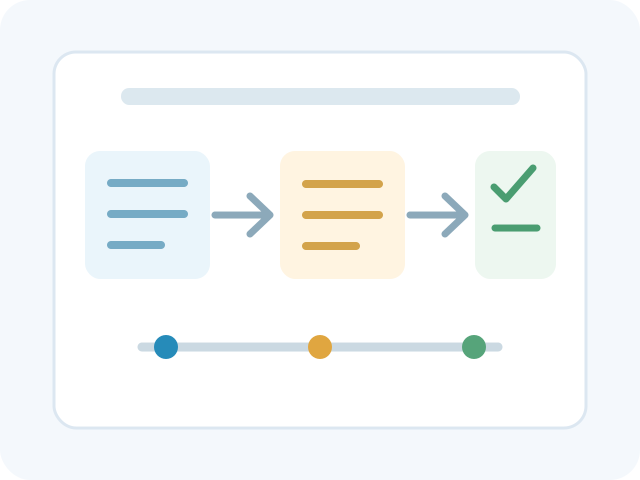
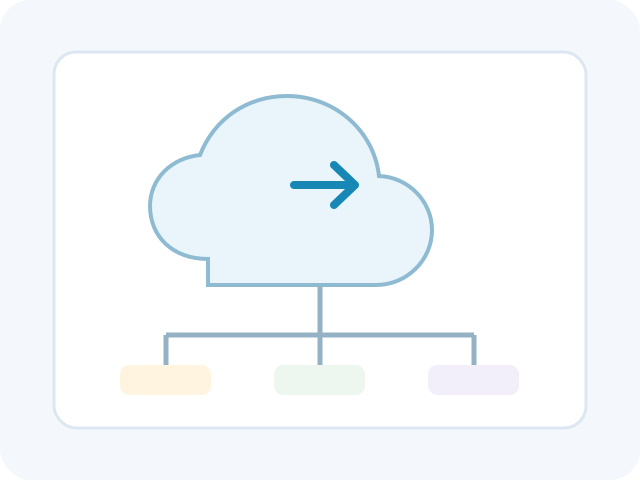

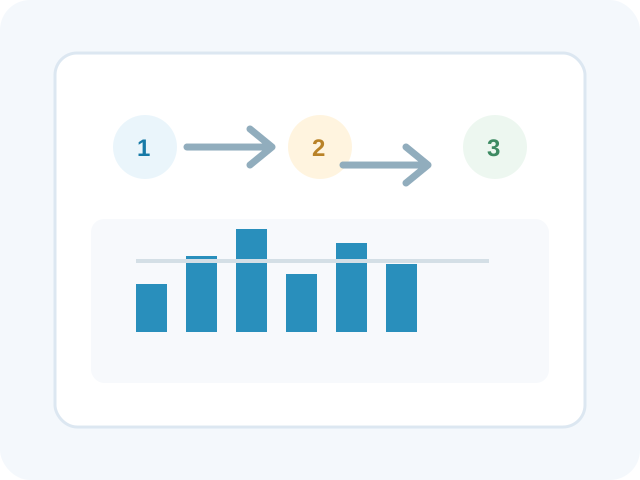
The modules add up to 90 hours (8 + 12 + 12 + 18 + 10 + 10 + 8 + 12). The cloud provider, tools enabled in the lab, infrastructure, and project dataset depend on the batch setup. Exercises use sample files or approved sources; production-scale systems are not implied.
Explore the frameworks and concepts named in the curriculum. The exact software versions, cloud provider, lab setup, and hands-on availability may differ by batch.
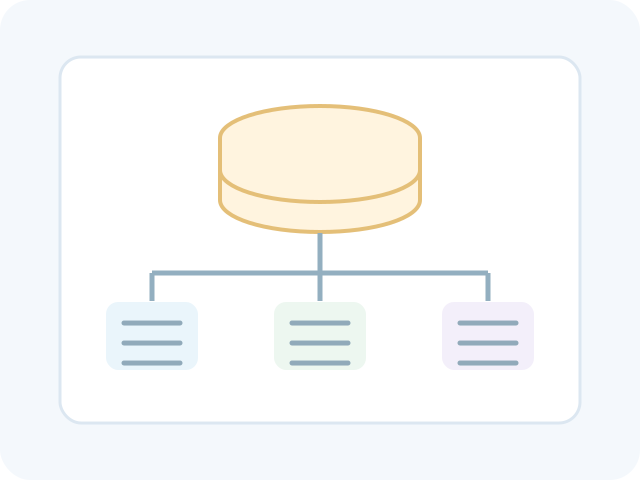
Explore distributed storage concepts, HDFS architecture, YARN, and MapReduce fundamentals.
HDFS, YARN, and MapReduce concepts
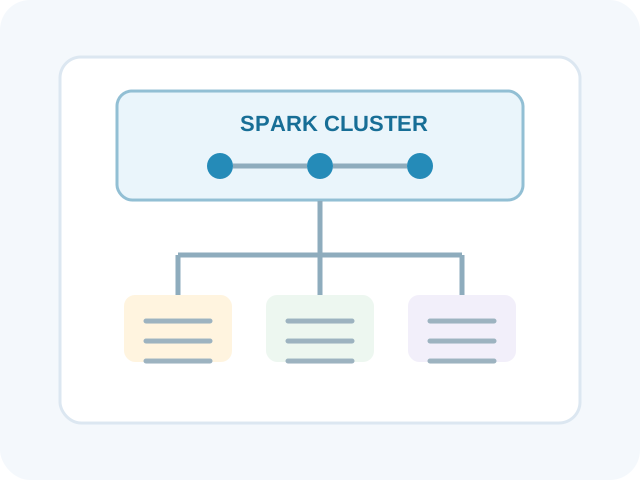
Practise distributed data processing, DataFrames, Spark SQL, transformations, and aggregations.
Spark DataFrames, PySpark, Spark SQL, and performance basics
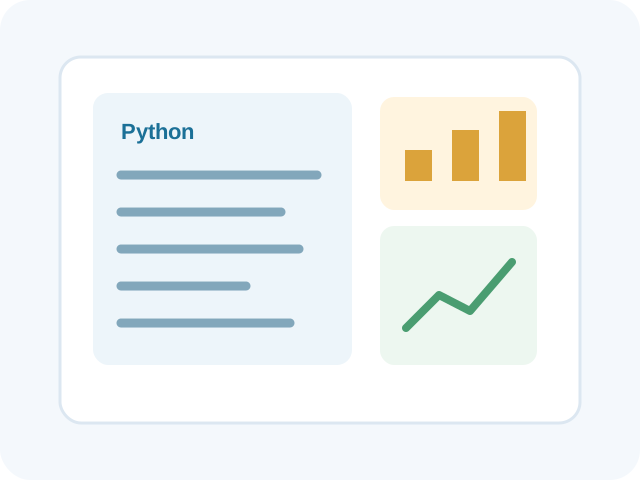
Use introductory Python workflows to inspect, clean, transform, and prepare datasets.
Data manipulation, validation, and automation foundations
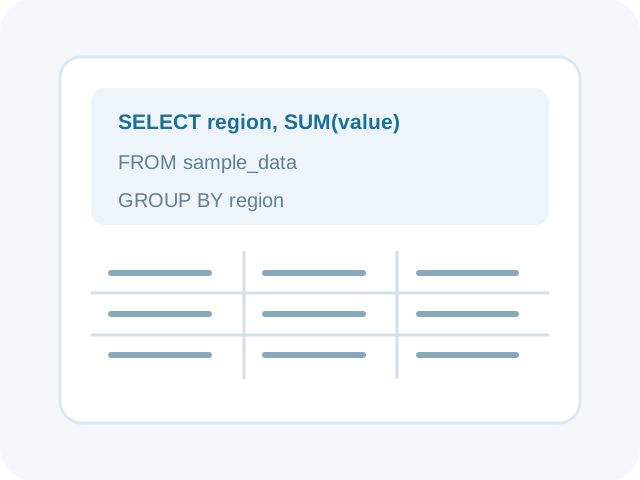
Retrieve, filter, join, group, and analyze information in suitable data environments.
Relational SQL and distributed-query concepts
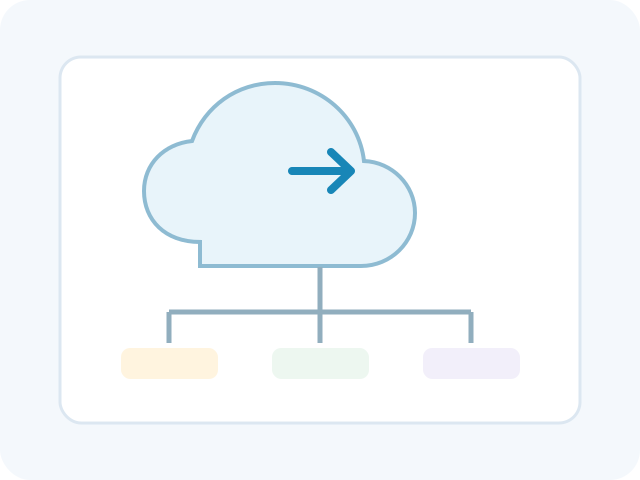
Understand cloud storage, data lakes, scalable computing, and managed analytics services.
Provider selection and practical access depend on the batch

Present processed data through charts, reports, or dashboards for decision support.
Reporting and visualization concepts
Apache, Hadoop, Spark, Python, Microsoft Power BI, and cloud provider names are trademarks of their respective owners. Hands-on access to a Hadoop cluster, distributed compute environment, or cloud platform depends on lab infrastructure and the selected batch setup. Cloud usage can require accounts, permissions, and billable resources. Confirm whether any cloud access or credits are included before using a provider account. The outline introduces platform and processing concepts; it does not establish vendor certification or advanced production administration training.
These practice projects use example training scenarios. Data sources, project deliverables, and the scale of processing depend on approved datasets, lab infrastructure, and course delivery.

Process a sample retail transaction dataset, explore product and regional trends, and prepare a business-focused summary.
Python, SQL, PySpark, data aggregation, and visualization.
Combine sample customer, order, and product data; check missing or inconsistent values; and explore order and category patterns.
Python, SQL, Spark DataFrames, joins, and data validation.
Ingest data from sample files or approved sources, transform and validate records, and store processed outputs for reporting.
Python, SQL, PySpark, pipeline design, and cloud storage concepts.
Explore sample traffic or sensor data, identify time-based patterns, and present findings through a visual report.
Python, Spark, aggregation, and data visualization.
Select a sample-data problem and prepare a documented processing workflow with reusable scripts, SQL queries, validated outputs, and a presentation.
Data ingestion, transformation, Python or PySpark, SQL, reporting, and communication.
Potential deliverables include a documented workflow, cleaned sample dataset, reusable scripts, SQL queries, analytical outputs, and a project presentation. Use only public, fictional, or otherwise approved data, and clearly explain data limitations.
By completing this 90-hour course and its guided exercises, learners should be able to:
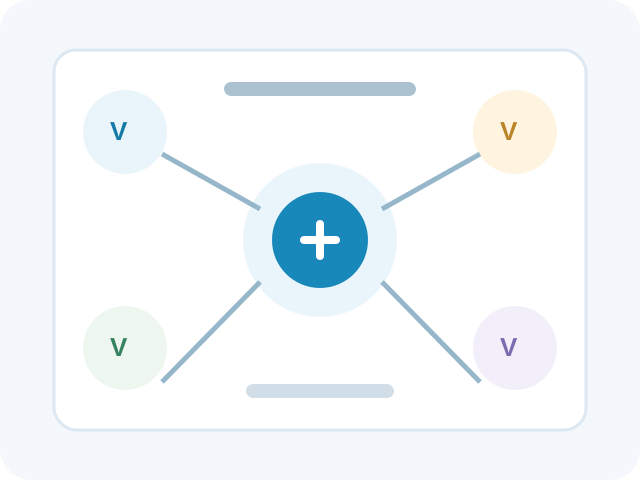
Describe common use cases, the 5 Vs, and distributed computing foundations.
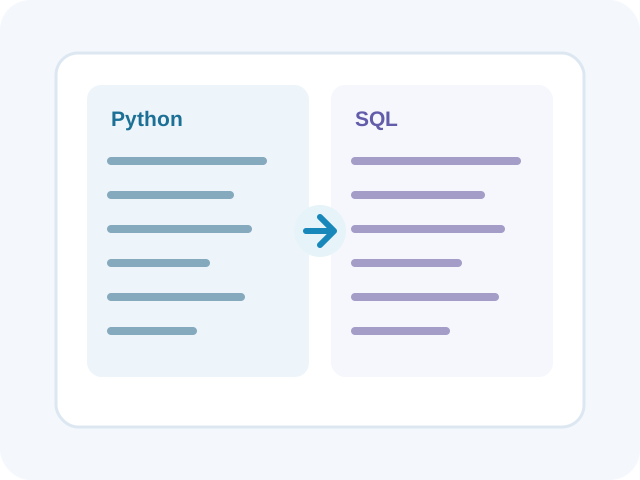
Use Python and SQL fundamentals to clean, transform, and analyze datasets.
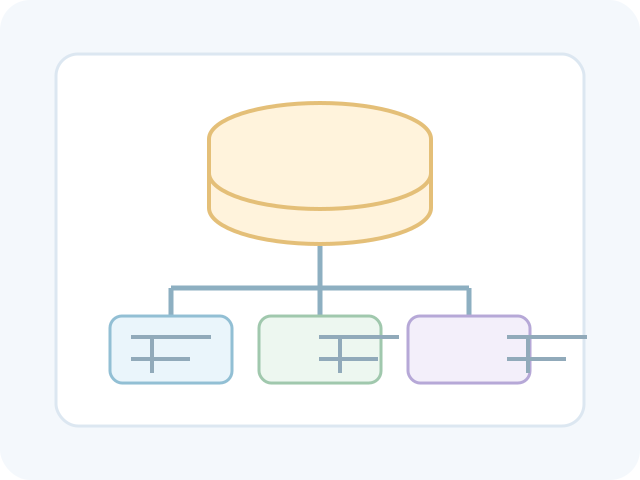
Explain distributed storage, HDFS, YARN, and MapReduce concepts.
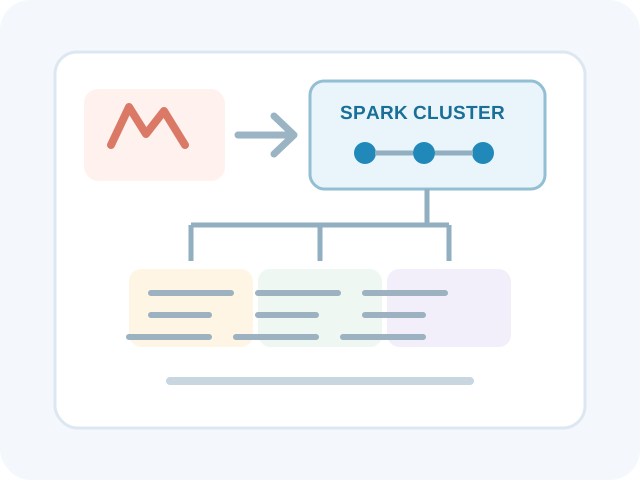
Practise Spark DataFrames, PySpark, and Spark SQL workflows.
Explore ingestion, transformation, validation, and structured outputs.
Understand data lakes, scalable compute, and managed analytics concepts.
Present analytical results through suitable reports and visualizations.
Document and present a sample capstone project and its limitations.
This course is an introductory foundation. Advanced data engineering, production operations, and specialist analytics roles may require additional programming experience, cloud-platform practice, domain knowledge, and professional experience.
Organizations across IT services, banking, retail, healthcare, manufacturing, logistics, and e-commerce use data to inform decisions and operations. This course can introduce relevant concepts; actual role requirements vary by employer and experience.
Prepare datasets, run queries, explore patterns, and support analytical reporting.
Support introductory distributed data processing and application workflows.
Assist with data ingestion, transformation, validation, and pipeline maintenance.
Help build and validate extraction, transformation, and loading workflows.
Support data storage, platform monitoring, and routine data operations where trained.
Translate business data into reports, dashboards, and findings for stakeholders.
Compare these planning ranges with current local opportunities. Pay varies by role, qualifications, experience and employer.
Build your future: Combine big data foundations with strong SQL, Python, cloud-platform knowledge, version control, and a practical portfolio to continue developing. Client work requires appropriate competence and permission to access data.
Ask about career preparation and placement support for this course. Confirm which services are actually offered by ECAREERPLUZ and available for the relevant batch.
Present relevant technical skills, learning achievements, and approved project work.
Practise questions associated with entry-level analytics and data roles.
Practise professional introductions and clear technical explanations.
Explore suitable openings and prepare applications, subject to available support.
Practise presenting project objectives, approach, challenges, and findings.
Outcomes depend on learner readiness, eligibility, employer requirements, and available opportunities.
Discuss the issuing authority, assessment requirements and any separate provider exams with admissions.
Certificate availability and external accreditation are not confirmed. Ask ECAREERPLUZ to confirm course completion recognition, issuing authority, attendance, and assessment requirements.
Explore example Big Data Analytics projects and learning journeys.
Sample profile · not a real learner
A sample learner practises preparing a dataset, checking its quality, and explaining the processing steps.
Practice focus: Develop practical skills through guided exercises and project work.
Sample profile · not a real learner
A sample exercise uses Spark concepts to summarize data and compare results across categories.
Practice focus: Develop practical skills through guided exercises and project work.
Sample profile · not a real learner
A sample capstone documents a data workflow, analytical output, and presentation of findings and limitations.
Practice focus: Develop practical skills through guided exercises and project work.
The learning approach moves from foundational concepts to processing workflows and project presentation. Confirm the actual training format, lab access, and instructor support for your batch.
Follow a 90-hour learning journey with eight modules and defined topics.
Practise with tools and platforms selected for the training batch.
Use exercises, feedback, and project reviews to reflect on progress.
Develop technical foundations, project documentation, and interview readiness.
Trainer profiles, batch size, cloud lab availability, assessment standards, placement services, and teaching guarantees are not yet confirmed. Confirm arrangements with admissions before joining.
Learn from Industry Experts and Experienced Professionals.




Big Data Analytics involves processing and analyzing large or complex datasets to identify patterns, trends, and insights that may support business decisions.
The course duration is 90 hours. Contact admissions for batch dates and the detailed timetable.
This course is suitable for students, graduates, IT professionals, analysts, and aspiring data engineers. Ask admissions about any batch-specific prerequisites.
Basic computer knowledge is recommended. Python, SQL, or programming familiarity is helpful, but the curriculum begins with foundational topics.
Yes. The outline includes Hadoop ecosystem fundamentals, including HDFS, YARN, and MapReduce, and Apache Spark and PySpark topics.
The learning approach combines concepts, guided practice, coding exercises, and project work. Confirm lab access and practical arrangements for your batch.
The outline proposes sample projects in retail, e-commerce, ETL, and smart-city data analysis. Project datasets and infrastructure depend on course delivery; these are not confirmed client projects.
Possible pathways to explore include junior data analyst, trainee big data developer, junior data engineer, trainee ETL developer, cloud data operations associate, and BI analyst. Employers may require additional experience and skills.
Actual compensation depends on role, location, employer, experience, skills, and project evidence.
Ask about resume, portfolio, interview, application, and project-presentation support. Confirm which services are available.
Certificate availability and eligibility are not confirmed in the outline. Ask ECAREERPLUZ to confirm the issuing authority and any assessment or attendance requirements.
The course is intended to be relevant to working professionals seeking to upskill. Confirm batch timings and delivery options with admissions.
Device requirements depend on the software and lab setup. Distributed processing or cloud exercises may use shared infrastructure; confirm specifications and access before enrolment.
Data analytics can focus on analyzing datasets generally, while big data analytics introduces distributed storage and processing concepts for larger or more complex data. The exact distinction depends on tools, workloads, and course scope.
Use the enquiry form on this page to ask ECAREERPLUZ about fees, schedule, delivery mode, prerequisites, lab setup, and admission steps.
Course fee: INR 22,000 + 18% GST (INR 3,960). Total including GST: INR 25,960. Confirm exclusions, materials, assessments and payment options with admissions.
Confirm course duration, fees, upcoming batch, learning mode, and final curriculum with our team.
Request course details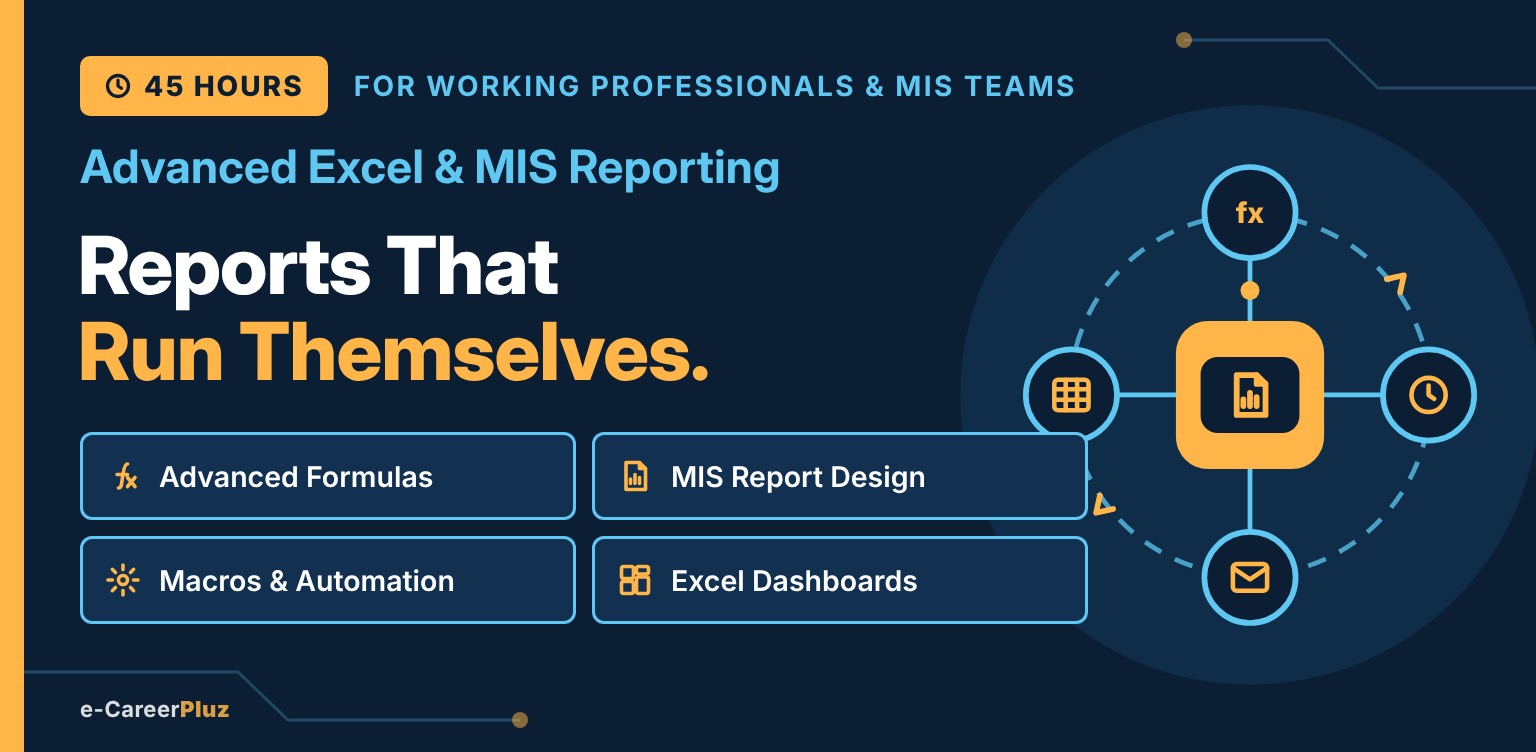
Advanced Formulas · MIS Report Design · Macros & Automation · Excel Dashboards
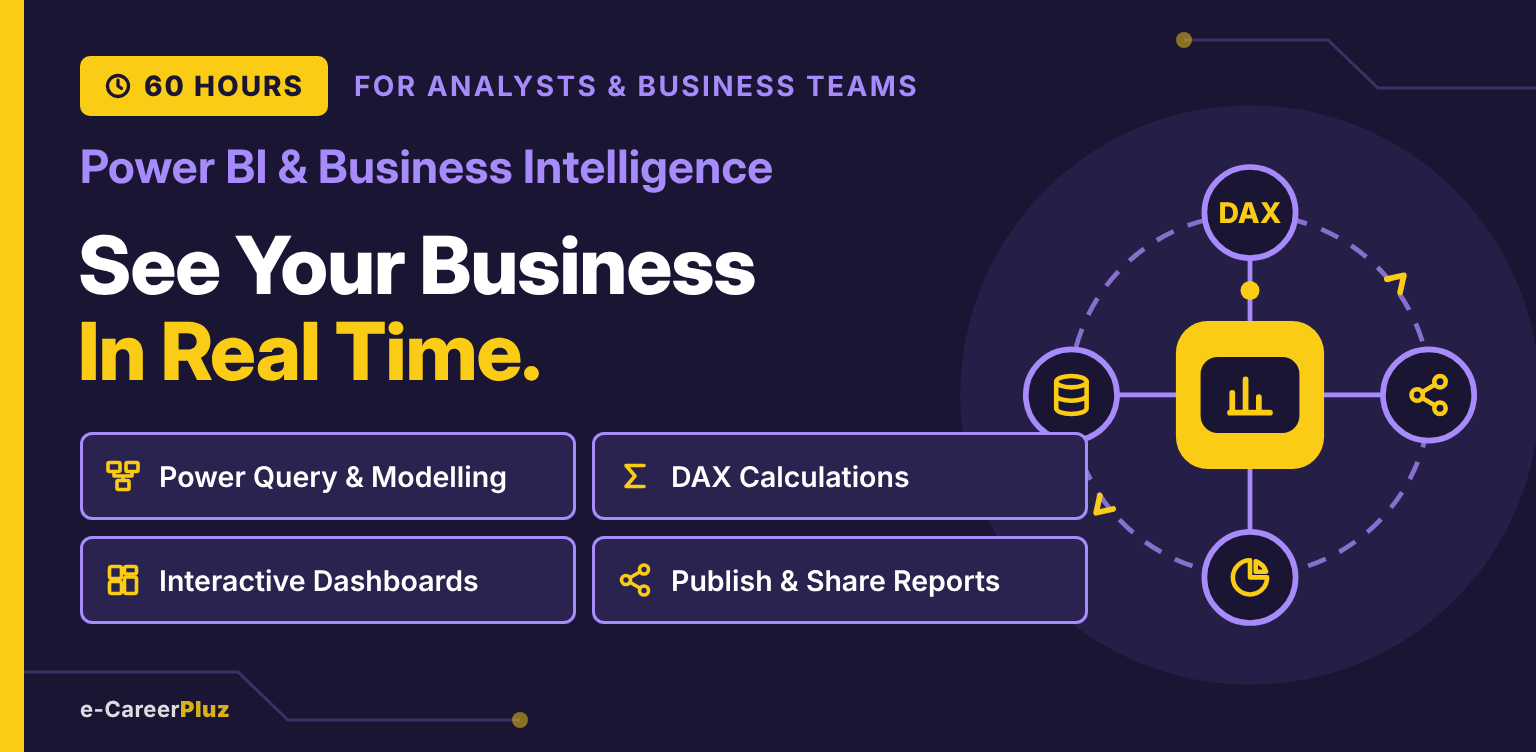
Power Query & Modelling · DAX Calculations · Interactive Dashboards · Publish & Share Reports
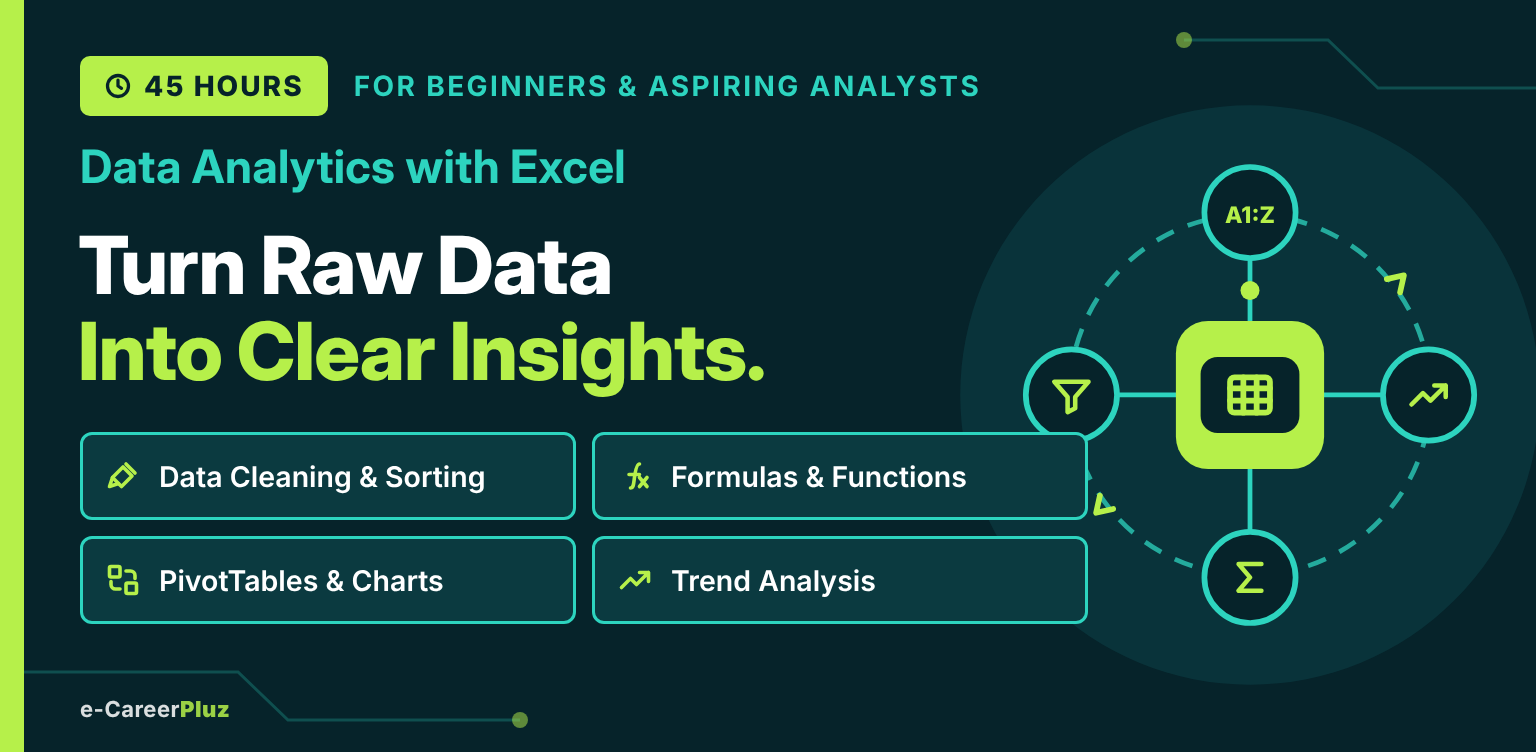
Excel Fundamentals · Data Cleaning · Formulas & Functions · PivotTables · Charts & Dashboards
Explore skills, try a small project and find your learning direction.
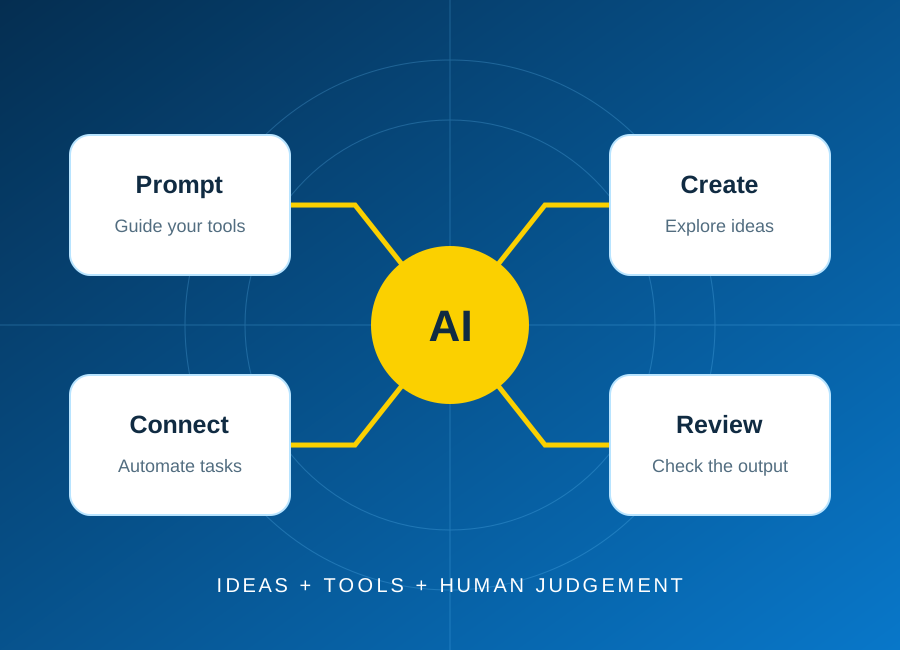
Start with one repeatable task, keep a person in control, and test the result before connecting real business data.
Read article: Plan your first AI automation project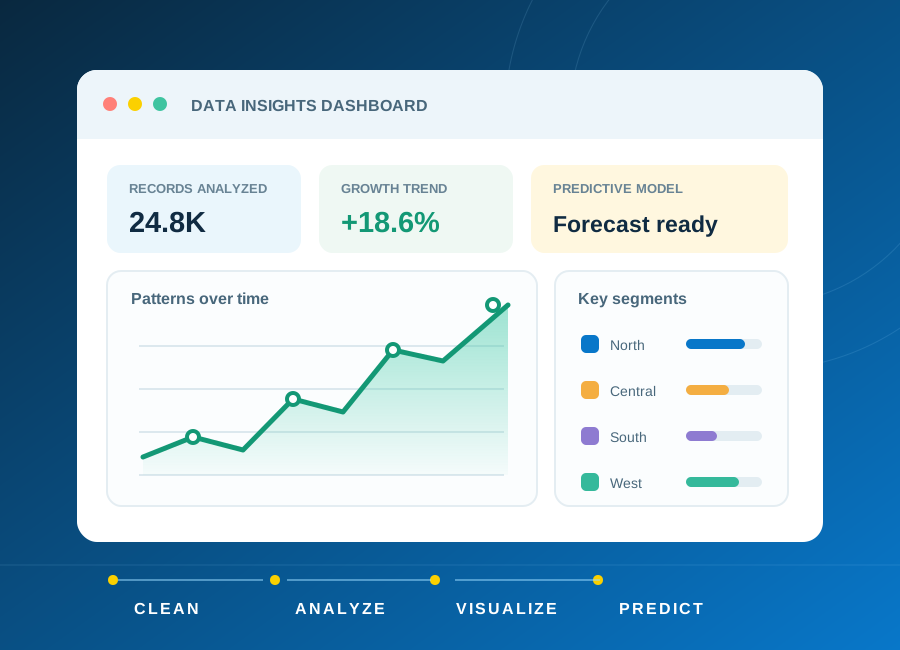
Learn how to frame a question, clean a small dataset and choose charts that explain rather than distract.
Read article: From raw data to a clear, useful dashboard
Turn a small idea into a working application with a clear data model, accessible forms and meaningful tests.
Read article: Build a first web application you can explain